Never miss whisky news, reviews, and new releases again.
Add Whisky Monkeys as a Google favoriteWhisky only matures in casks. Once it leaves the cask, the maturation stops and the nectar of the gods can be bottled. The age on the label refers to the time the (youngest) whisky spent in a cask. Although whisky no longer matures in the bottle, it can still change there, and not always for the better. We’ll explain more about that in this article.
Does whisky change in the bottle?
The fact that whisky doesn’t continue to mature doesn’t mean it’s frozen in time. The conditions in which you store the bottle can influence the flavor. Light, heat, and oxygen are the biggest factors.
An unopened bottle kept cool, dark, and upright will generally stay good for years. Still, its flavor may subtly shift over a long period. Aromas can soften or become less defined. With poor storage, like direct sunlight or big temperature swings, quality can decline much faster.
So think carefully about where you place your bottle of The Macallan. A sunny windowsill isn’t the best idea, but a closed cabinet works wonders.
Opened whisky changes more quickly
In an opened bottle, oxygen plays a bigger role. The emptier the bottle gets, the more air it contains. That oxygen can influence aroma and taste. Sometimes a whisky becomes a touch rounder or more approachable after opening, but over time its bright, fruity, or smoky notes can fade.
A nearly full opened bottle often stays in good shape for quite a while. A bottle with only a thin layer left can change more quickly. Especially with special or expensive whisky, it’s wise not to leave an opened bottle half-empty for years.
What’s the best way to store whisky?
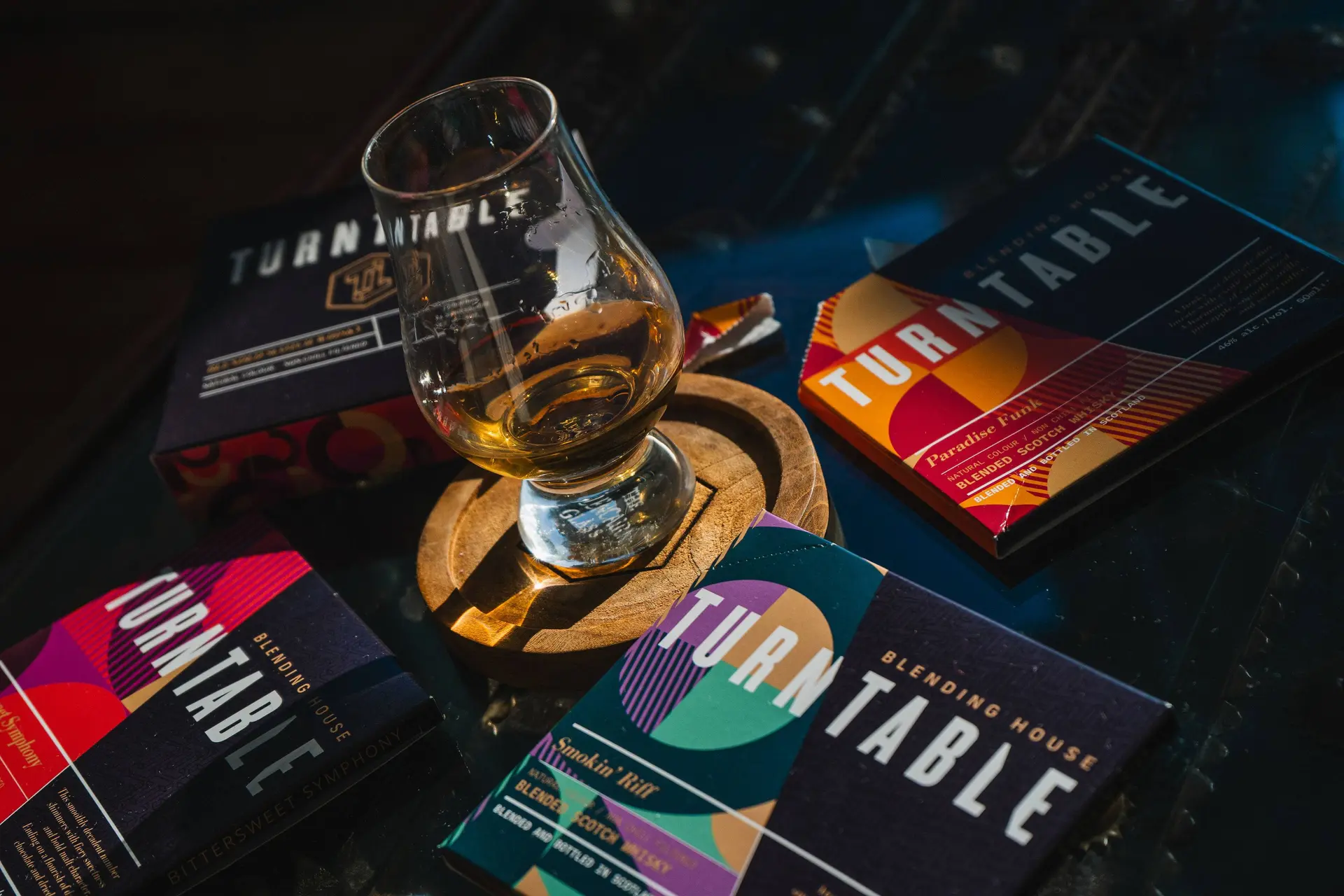
Store whisky upright, in a cool, dark place. Unlike wine, whisky does not need to be stored on its side. In fact, prolonged contact with the cork is undesirable, as alcohol can degrade the cork.
Avoid direct sunlight, heat sources, and large temperature fluctuations. Do you have an opened bottle with only a little whisky left? Consider decanting it into a smaller bottle to reduce the amount of oxygen.
loading
POPULAR NEWS
Next year’s exclusive Johnnie Walker whisky is already on sale
The 10 whisky brands connoisseurs admire most

Bowmore's new whisky tastes like charred mango, says the distillery
The best whiskies from all of Speyside: these are the ones to pour this year
You’ll never drink whisky the same way after trying these chocolate pairings
Scottish community distillery sounds the alarm as whisky industry downturn bites
A brand new Ardbeg is coming and the current whiskies are getting a new look
UK government shuts down whisky company over the sale of non-existent casks

Laphroaig honors its savior with an extraordinarily old and rare whisky

Whisky Names Explained: Highland Park Dragon Legend
LATEST COMMENTS
- Thank you for the compliment. I really appreciate it.M0nkey31-08-2026
- I enjoyed reading the different approaches to building a whisky collection. Whether you collect by region, style, or limited releases, discovering new brands keeps the hobby interesting. Soorahi is another premium whisky worth considering for collectors looking to explore the evolving world of quality whiskies.dinesh04-08-2026
- There is no distillery equipment there and also no licences to produce or sell alcohol.TRC19-12-2025
- Hi Yvonne, Thank you for your response and for sharing the video. Unfortunately, the evidence you referred to consists only of two people talking about the whisky, without any explanation or identification. We have not spoken to the individuals in the video ourselves, nor can we verify who they are. We describe it as a Chinese whisky because it is released by a Chinese distillery. As you mentioned, the distillery has chosen to label the product as “pure malt” instead of “Chinese whisky.” Based on that, we do not believe they are doing anything illegal.M0nkey16-11-2025
- So - you have the proof......where's your write up?Yvonne16-11-2025
- You are absolutely right. Luckily that doesn't matter for the taste of the whisky. Have you tried it yet?M0nkey05-11-2025
- Guess what? Finland is not part of Scandinavia.Gray105-11-2025
- Throw in the towel? You mean restructure to compete and win in a challenging industry environment.WestwardFounder21-10-2025
- There is nothing legally to prevent the English whisky GI from coming into force, it complies with all the relevant laws and the single malt definition follows the precedent of Welsh whisky and US whiskyChefBear15-10-2025
- Three emails sent (two with videos, linked to a Google Drive Share). 1. The original video. 2. The video with subtitles as it was shared on YouTube 3. Screen grab of the YouTube channel where the video was blocked due to Pernod Ricard lobbying. The story was covered on Drinks Intel at the time - link here - https://drinks-intel.com/subscriber-news/pernod-ricards-the-chuan-pure-malt-whisky-not-sourced-solely-from-china-global-drinks-intel-exclusive/Yvonne10-10-2025
Loading