Never miss whisky news, reviews, and new releases again.
Add Whisky Monkeys as a Google favoriteWhisky must mature in casks for at least three years. Those casks have often previously held another drink, such as sherry. But what’s the actual difference between sherry seasoned casks and traditional sherry casks? It matters a great deal for flavor.
To explain the difference between sherry seasoned casks and traditional sherry casks, let’s first look at each type. That will make the contrast clear straight away.
What are traditional sherry casks?
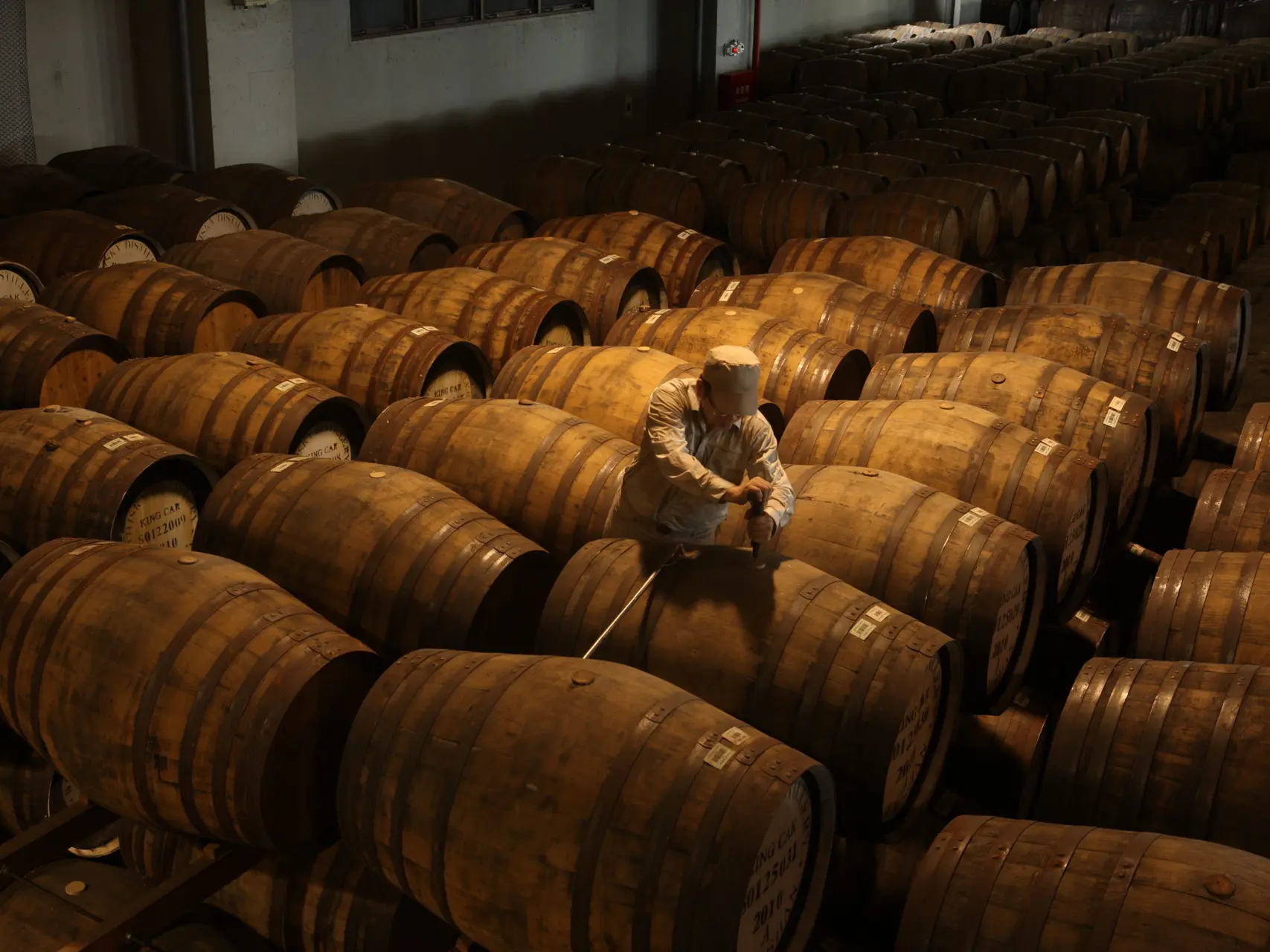
Traditional sherry casks are oak barrels originally used to mature sherry in Spain. These casks form part of a solera system, where the wine ages over many years in multiple casks and is periodically transferred.
So, sherry sits in these casks for years before they’re finally emptied and sent to a distillery to be used for whisky. Because of that long use, sherry is embedded deep within the wood.
That imparts powerful influences on the whisky: notes of raisins, nuts, dried fruit, and sometimes a lightly oxidative character.
These days, such casks are rarely used. The reason is simple: sherry influence is wildly popular in whisky, but sherry itself is less in demand. As a result, there are far fewer traditional casks available, and producers often turn to sherry seasoned casks instead.
What are sherry seasoned casks?
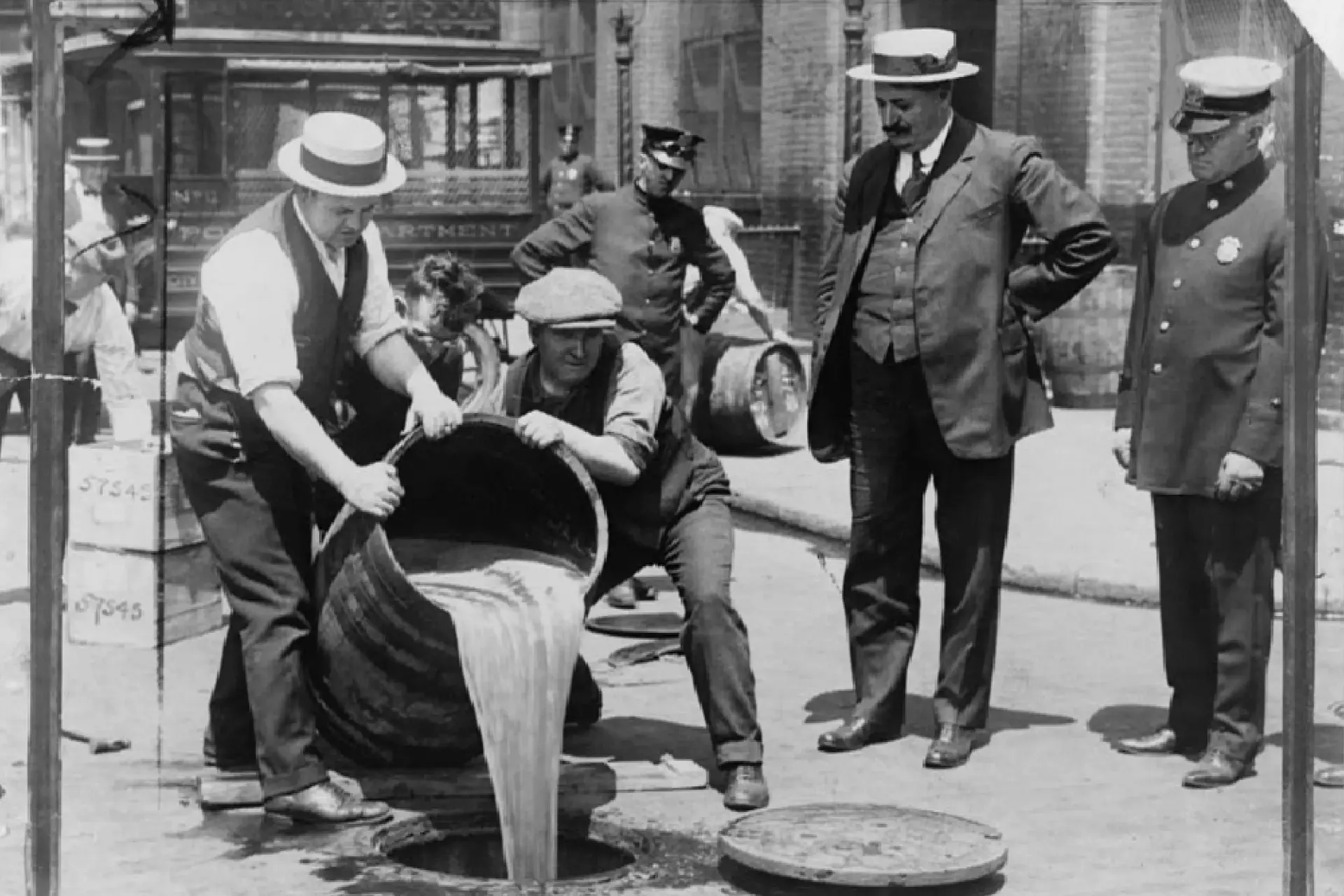
Sherry seasoned casks are made specifically for the whisky industry. For instance, the casks used by The Macallan whisky are typically sherry seasoned casks crafted in their own bodega. But how are these casks made? The process happens in several steps, outlined below:
- New oak casks (often European or American oak) are made at a cooperage.
- These casks are shipped to Spain.
- They are filled with sherry for roughly 1 to 3 years, solely to “season” the wood.
- They are then emptied and shipped to Scotland to be filled with whisky.
The goal of these casks isn’t to produce new sherry, but to enrich the wood with the character of Spanish sherry. This delivers consistent flavor profiles and tighter control over cask quality. However, they don’t carry quite as much depth and character as well-used, traditional sherry casks.
Legally, these casks can’t simply be called “sherry casks” if they weren’t actually used in commercial sherry production. That’s why the term “sherry seasoned” is used.

What’s the flavor difference between sherry casks and sherry seasoned casks?
Because sherry seasoned casks are produced in a consistent manner, the sherry influence is typically subtler—but the quality of that influence is more uniform. You’ll often find greater emphasis on oak and spice, and less on the winey, oxidative notes.
That’s not the case with traditional sherry casks. There, the wine-driven notes from the cask can be remarkably intense, and the flavor profile less predictable. It all depends on the exact age of the cask, how long it held sherry, and what style of sherry it contained. These casks are rare, so when you find a whisky matured in them, there’s often something special in the bottle.
So next time you pick up a whisky with sherry notes, take a close look at the label. If it says sherry seasoned casks, you’ll know these were purpose-made for the whisky industry. If it’s a traditional sherry cask, expect a wilder, more surprising ride.
loading
POPULAR NEWS
Whisky Names Explained: Octomore

Bowmore Brings Back a Devilish Whisky After More Than 10 Years (and Two Old Casks Take Center Stage)
Glenfiddich, Ardbeg, and Jameson are joined by new names on the 2026 Best Whiskies list

This Japanese whisky is almost too beautiful to open

From Rat to Dragon and Goat: These Whisky Bottles Form a Remarkable Collection
Japanese Oak Lends a Distinctive Twist to This Belgian Whisky (Review)
Belgian Distillery Gone: Old Caperdonich Stills Up for Auction

This Highlander is Glenmorangies oldest whisky ever
5 Indian whiskies that taste like liquid gold

Dutch Investor Unmasks a Massive Whisky Scam After a Failed Investment
LATEST COMMENTS
- Thank you for the compliment. I really appreciate it.M0nkey31-08-2026
- I enjoyed reading the different approaches to building a whisky collection. Whether you collect by region, style, or limited releases, discovering new brands keeps the hobby interesting. Soorahi is another premium whisky worth considering for collectors looking to explore the evolving world of quality whiskies.dinesh04-08-2026
- There is no distillery equipment there and also no licences to produce or sell alcohol.TRC19-12-2025
- Hi Yvonne, Thank you for your response and for sharing the video. Unfortunately, the evidence you referred to consists only of two people talking about the whisky, without any explanation or identification. We have not spoken to the individuals in the video ourselves, nor can we verify who they are. We describe it as a Chinese whisky because it is released by a Chinese distillery. As you mentioned, the distillery has chosen to label the product as “pure malt” instead of “Chinese whisky.” Based on that, we do not believe they are doing anything illegal.M0nkey16-11-2025
- So - you have the proof......where's your write up?Yvonne16-11-2025
- You are absolutely right. Luckily that doesn't matter for the taste of the whisky. Have you tried it yet?M0nkey05-11-2025
- Guess what? Finland is not part of Scandinavia.Gray105-11-2025
- Throw in the towel? You mean restructure to compete and win in a challenging industry environment.WestwardFounder21-10-2025
- There is nothing legally to prevent the English whisky GI from coming into force, it complies with all the relevant laws and the single malt definition follows the precedent of Welsh whisky and US whiskyChefBear15-10-2025
- Three emails sent (two with videos, linked to a Google Drive Share). 1. The original video. 2. The video with subtitles as it was shared on YouTube 3. Screen grab of the YouTube channel where the video was blocked due to Pernod Ricard lobbying. The story was covered on Drinks Intel at the time - link here - https://drinks-intel.com/subscriber-news/pernod-ricards-the-chuan-pure-malt-whisky-not-sourced-solely-from-china-global-drinks-intel-exclusive/Yvonne10-10-2025
Loading