Never miss whisky news, reviews, and new releases again.
Add Whisky Monkeys as a Google favoriteThe cut to India’s import duty on Scotch was widely reported as good news, but not everyone sees it that way. It’s a win for Scottish distilleries and for Indian blenders who buy Scotch in bulk. But for one group, it’s far less welcome: India’s single malt whisky makers.
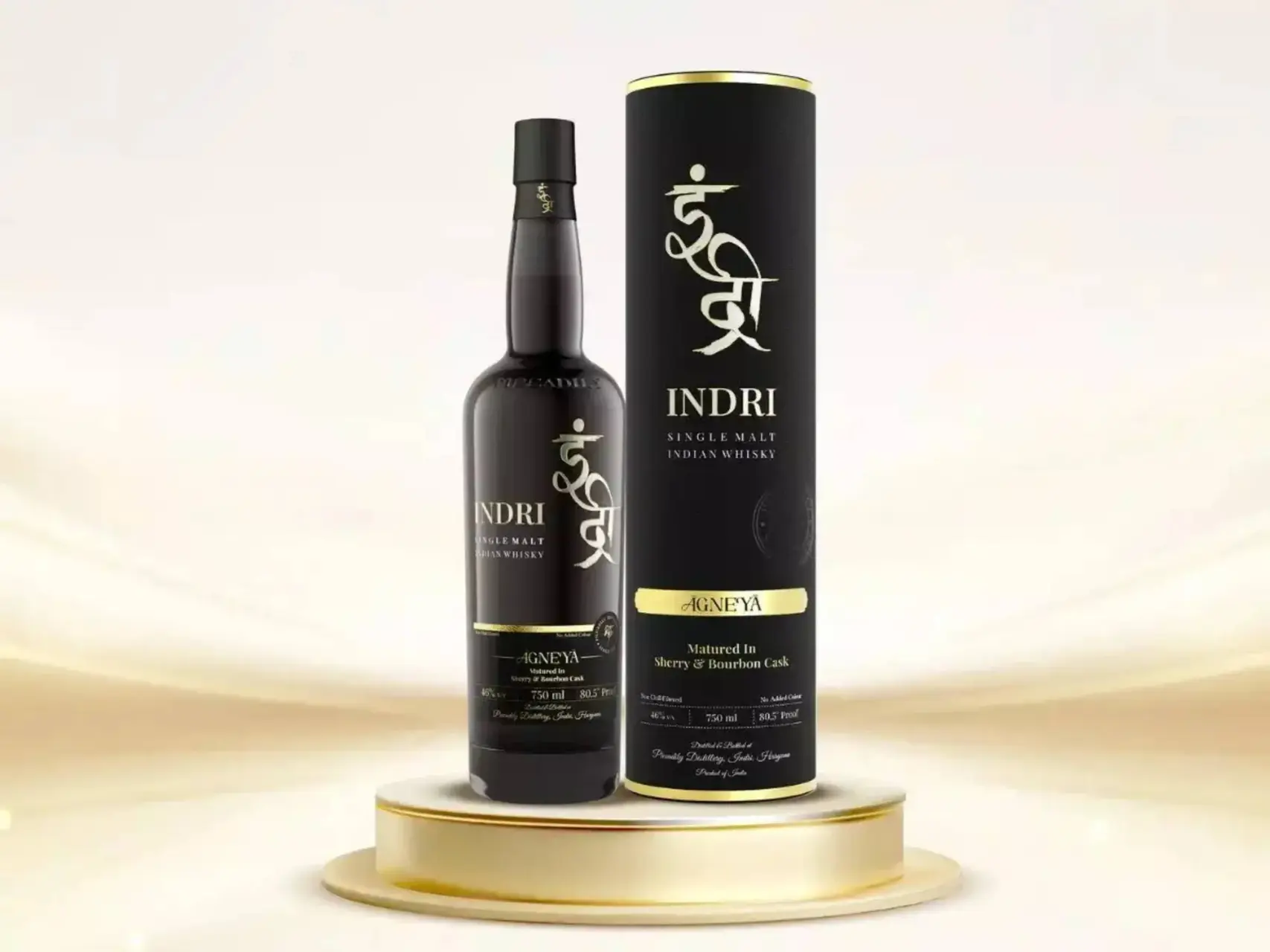
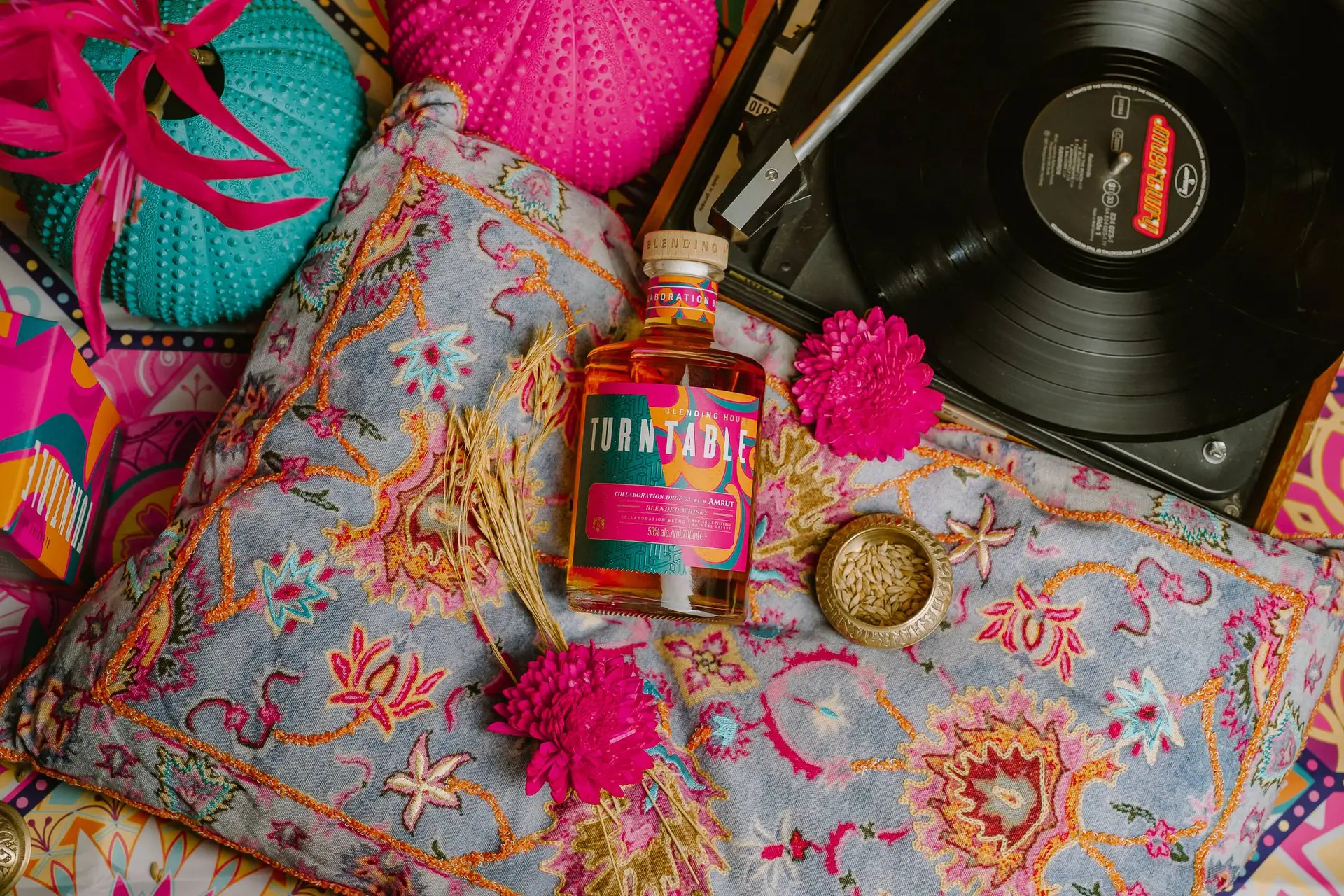
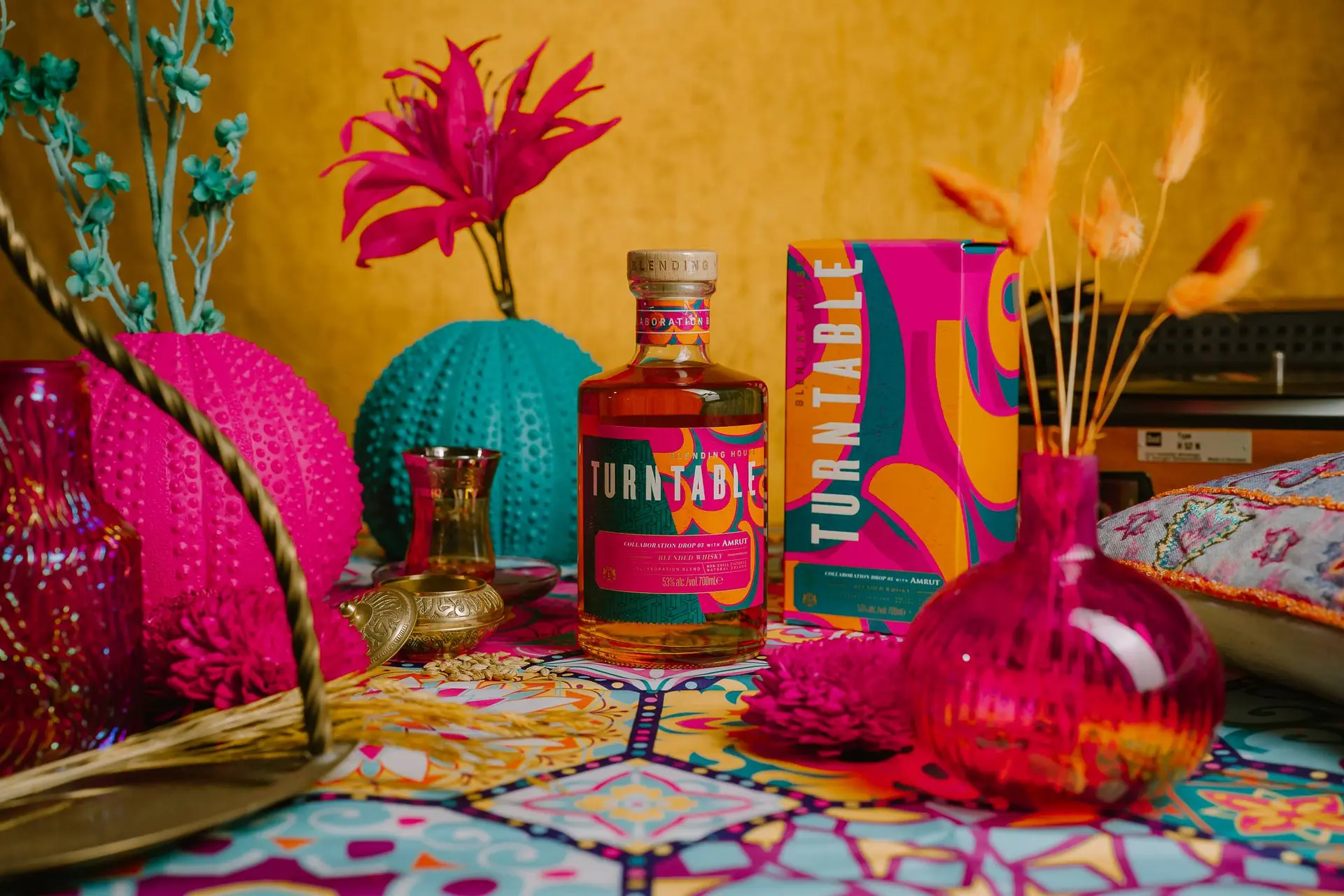
The rise of Indian single malt has been one of the most striking shifts in the whisky world over the past decade. Brands like Amrut, Paul John, and Indri have won international awards and built a loyal following of whisky fans around the globe.
Look at India’s single malt sales and the scale of that success comes into focus. Of the roughly 675,000 cases of single malt sold in India in 2023, about 345,000 were made domestically, according to figures published by the Times of India. In the world’s largest whisky market, more than half of all single malt is now produced locally.
Why a lower import duty hits single malt hardest
That’s exactly the segment now potentially under pressure as India lowers import duties on Scotch. As of 15 July 2026, the duty has been halved to 75 percent, and over the next ten years it will fall further to 40 percent. Each year, the price gap between a bottle of Scotch and a bottle of Indian single malt will narrow. Not ideal for Indian whisky, though that’s not even the worst of it.
Indian blenders, meanwhile, stand to benefit significantly. They buy Scotch in bulk as an input and will see their procurement costs drop thanks to the new tariff. Indian single malt producers don’t buy anything from Scotland: they do everything themselves, from malting barley to bottling. For them, the deal brings no savings, only cheaper competition on the same shelf.
The stock market picked up on that instantly. Shares of several Indian drinks companies fell by as much as five percent on the day the deal was announced. Paul P. John, chairman of John Distilleries, warned that a sudden influx of cheaper Scotch could dent domestic sales.
Read also
Is Indian whisky in trouble?
Whether Indian whisky will truly be squeezed by this move remains to be seen. The real impact will only become clear in a few years, when the first shipments of cheaper Scotch hit the shelves and the duty falls further. Then we’ll know whether Indian single malt can stand tall on its own.
| Whisky Deals from Whisky Exchange | Week 30 |
| Aberlour 12 Year Old Non Chill-Filtered | From 58,95 pounds now for 48,75 pounds |
| Chivas Regal 18 Year Old American Oak | From 150 pounds now for 74,95 pounds |
| Port Dundas 1990 35 Year Old Sovereign | From 130 pounds now for 84,95 pounds |
| Rampur 2015 Bourbon Single Cask | From 115 pounds now for 87,95 pounds |
| Glen Spey 2008 14 Year Old Connoisseurs Choice | From 117 pounds now for 91,95 pounds |
FAQ
- Why is the lower import duty bad for Indian single malt?
Producers of Indian single malt don’t import Scotch and therefore don’t benefit from the lower duty, while their imported competitors get cheaper. - How much single malt in India is Indian?
In 2023, more than half of all single malt sold was domestically made: about 345,000 out of 675,000 cases. - What is the IMWA seal?
A certification mark for authentic Indian single malt, with standards for raw materials, distillation, maturation, and provenance.
loading
POPULAR NEWS
Whisky Names Explained: Octomore
Bowmore Brings Back a Devilish Whisky After More Than 10 Years (and Two Old Casks Take Center Stage)
Glenfiddich, Ardbeg, and Jameson are joined by new names on the 2026 Best Whiskies list
This Japanese whisky is almost too beautiful to open
From Rat to Dragon and Goat: These Whisky Bottles Form a Remarkable Collection
Japanese Oak Lends a Distinctive Twist to This Belgian Whisky (Review)
Belgian Distillery Gone: Old Caperdonich Stills Up for Auction

This Highlander is Glenmorangies oldest whisky ever
5 Indian whiskies that taste like liquid gold

Dutch Investor Unmasks a Massive Whisky Scam After a Failed Investment
LATEST COMMENTS
- Thank you for the compliment. I really appreciate it.M0nkey31-08-2026
- I enjoyed reading the different approaches to building a whisky collection. Whether you collect by region, style, or limited releases, discovering new brands keeps the hobby interesting. Soorahi is another premium whisky worth considering for collectors looking to explore the evolving world of quality whiskies.dinesh04-08-2026
- There is no distillery equipment there and also no licences to produce or sell alcohol.TRC19-12-2025
- Hi Yvonne, Thank you for your response and for sharing the video. Unfortunately, the evidence you referred to consists only of two people talking about the whisky, without any explanation or identification. We have not spoken to the individuals in the video ourselves, nor can we verify who they are. We describe it as a Chinese whisky because it is released by a Chinese distillery. As you mentioned, the distillery has chosen to label the product as “pure malt” instead of “Chinese whisky.” Based on that, we do not believe they are doing anything illegal.M0nkey16-11-2025
- So - you have the proof......where's your write up?Yvonne16-11-2025
- You are absolutely right. Luckily that doesn't matter for the taste of the whisky. Have you tried it yet?M0nkey05-11-2025
- Guess what? Finland is not part of Scandinavia.Gray105-11-2025
- Throw in the towel? You mean restructure to compete and win in a challenging industry environment.WestwardFounder21-10-2025
- There is nothing legally to prevent the English whisky GI from coming into force, it complies with all the relevant laws and the single malt definition follows the precedent of Welsh whisky and US whiskyChefBear15-10-2025
- Three emails sent (two with videos, linked to a Google Drive Share). 1. The original video. 2. The video with subtitles as it was shared on YouTube 3. Screen grab of the YouTube channel where the video was blocked due to Pernod Ricard lobbying. The story was covered on Drinks Intel at the time - link here - https://drinks-intel.com/subscriber-news/pernod-ricards-the-chuan-pure-malt-whisky-not-sourced-solely-from-china-global-drinks-intel-exclusive/Yvonne10-10-2025
Loading