Never miss whisky news, reviews, and new releases again.
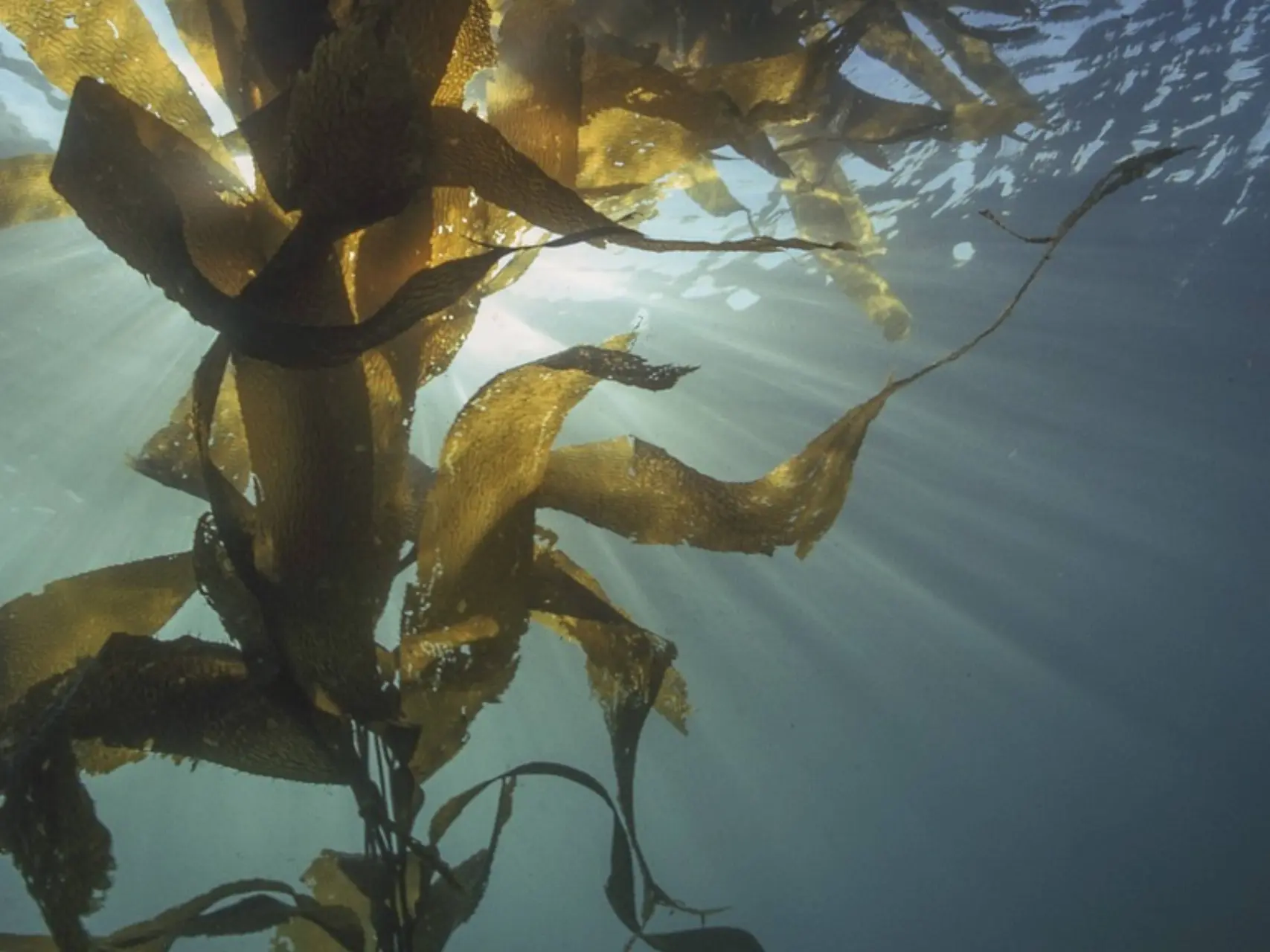
Add Whisky Monkeys as a Google favorite'Would you like seaweed in your whisky?' That’s not a question you’ll hear from any bartender. And yet, there are a few examples where seaweed is used to make whisky.
In the seventeenth century, whisky distilling was a cottage industry. At a time of limited medical knowledge, women in Scotland knew quite a bit about using plants for medicinal purposes. It’s said that the Scottish Iana McClannaghan reached the remarkable age of 99. She infused seaweed in Uisge Beatha and was even reputed to have cured people of their ailments.
It may sound like a tall tale, but researchers at Wageningen University confirm that seaweed is rich in minerals such as calcium, iron, iodine, and vitamins A, B, and C. The health benefits of seaweed are proven, but is it a good idea to make whisky with it?
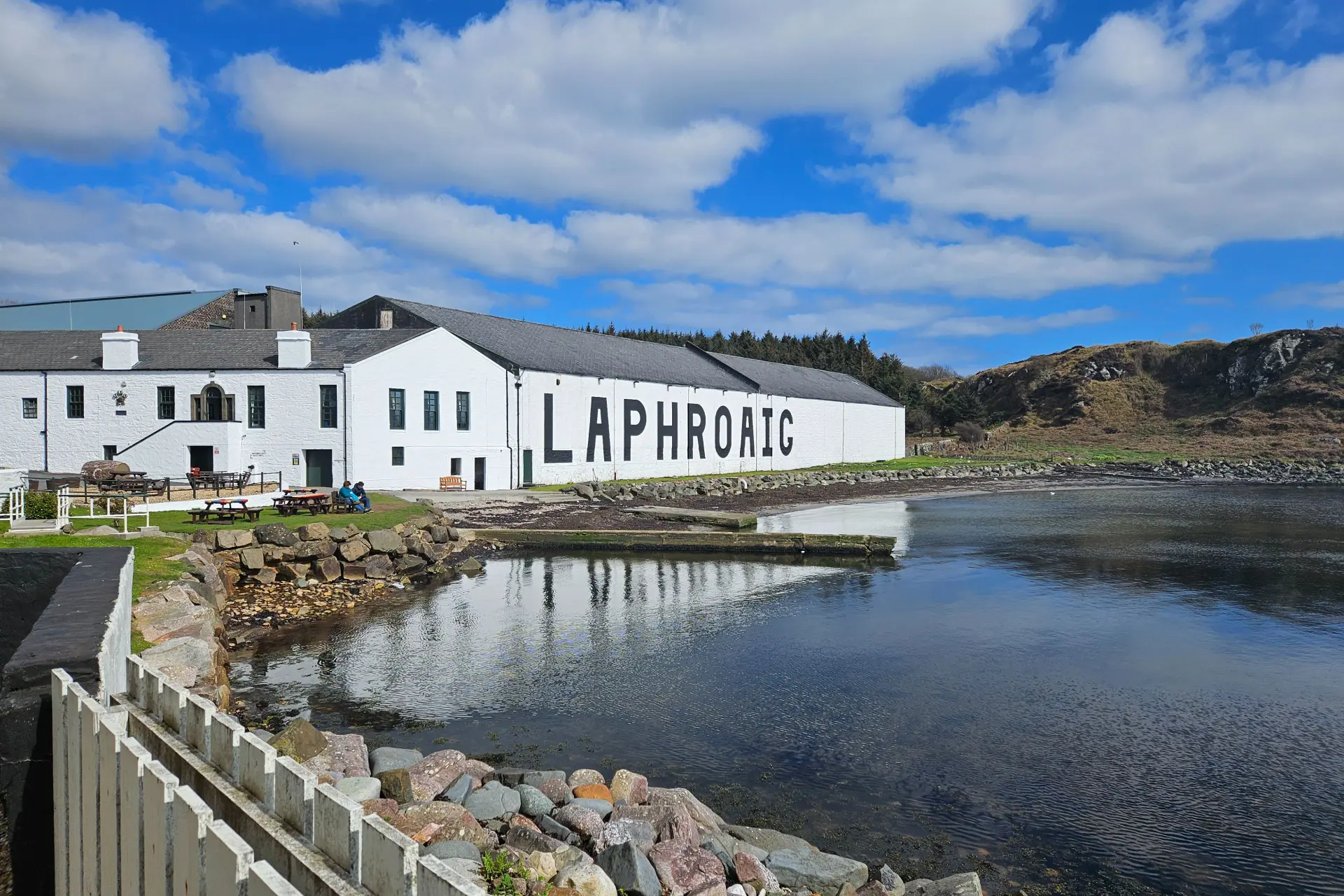
Celp: The Seaweed Experience
Two Dutch companies certainly thought so. Celp is a six-year-old peated whisky. The Van Wees family from Amersfoort brought this special seaweed spirit to market. When it comes to the distillery of origin, people think of Lagavulin, Laphroaig, or Bunnahabhain. Celp is made through a unique process in which seaweed and malted barley meet as wort in the mashtun to exchange flavors.
The first editions of Celp carried the label “single malt seaweed whisky.” By adding seaweed to the base product, however, it strayed from the rules governing Scotch single malt whisky. The Scotch Whisky Association intervened, and the label was changed to “single seaweed spirit.” Each bottle of this maritime spirit includes a sprig of seaweed as a finishing touch.

Seaweed in Irish whiskey
The Van Wees family isn’t the only Dutch outfit pairing seaweed and whisky. Also the Irish The Currach uses seaweed for extra flavor from their casks. They put the seaweed in the casks and then char it. That way the seaweed itself is gone, but the flavor remains embedded deeply in the cask.
Also see our Did you know? overview
Photo: Pixabay
loading
POPULAR NEWS
Next year’s exclusive Johnnie Walker whisky is already on sale

You’ll never drink whisky the same way after trying these chocolate pairings
Whisky Names Explained: Octomore
This rare whisky combines Belgian spirit with Japanese craftsmanship
Breaking: English whisky wins historic protection

Ardbeg ends popular whiskyseries with one more bottle
The hidden numbers on your whisky bottle reveal more than you think
World famous Dutch whisky pioneer celebrates 50 years with a mythological whisky series

Whisky gets its own Oktoberfest moment with this special day

Belgian distillery unveils Brussels’ first whisky, but you’ll need to act fast if you want one
LATEST COMMENTS
- Thank you for the compliment. I really appreciate it.M0nkey31-08-2026
- I enjoyed reading the different approaches to building a whisky collection. Whether you collect by region, style, or limited releases, discovering new brands keeps the hobby interesting. Soorahi is another premium whisky worth considering for collectors looking to explore the evolving world of quality whiskies.dinesh04-08-2026
- There is no distillery equipment there and also no licences to produce or sell alcohol.TRC19-12-2025
- Hi Yvonne, Thank you for your response and for sharing the video. Unfortunately, the evidence you referred to consists only of two people talking about the whisky, without any explanation or identification. We have not spoken to the individuals in the video ourselves, nor can we verify who they are. We describe it as a Chinese whisky because it is released by a Chinese distillery. As you mentioned, the distillery has chosen to label the product as “pure malt” instead of “Chinese whisky.” Based on that, we do not believe they are doing anything illegal.M0nkey16-11-2025
- So - you have the proof......where's your write up?Yvonne16-11-2025
- You are absolutely right. Luckily that doesn't matter for the taste of the whisky. Have you tried it yet?M0nkey05-11-2025
- Guess what? Finland is not part of Scandinavia.Gray105-11-2025
- Throw in the towel? You mean restructure to compete and win in a challenging industry environment.WestwardFounder21-10-2025
- There is nothing legally to prevent the English whisky GI from coming into force, it complies with all the relevant laws and the single malt definition follows the precedent of Welsh whisky and US whiskyChefBear15-10-2025
- Three emails sent (two with videos, linked to a Google Drive Share). 1. The original video. 2. The video with subtitles as it was shared on YouTube 3. Screen grab of the YouTube channel where the video was blocked due to Pernod Ricard lobbying. The story was covered on Drinks Intel at the time - link here - https://drinks-intel.com/subscriber-news/pernod-ricards-the-chuan-pure-malt-whisky-not-sourced-solely-from-china-global-drinks-intel-exclusive/Yvonne10-10-2025
Loading