Scotland Wanted This Whisky Deal - So Why Could India Be the Biggest Winner?
Best ofThursday, 30 July 2026 at 13:48
Never miss whisky news, reviews, and new releases again.
Add Whisky Monkeys as a Google favoriteThe message was the same everywhere: Scotland’s whisky industry has finally landed its catch. After years of negotiation, India on 15 July halved its import duty on Scotch from 150 to 75 percent, with a further drop to 40 percent on the horizon. For Scottish distilleries eager to break into the world’s biggest whisky market at last, it sounded like a victory.
But there’s a side to the deal that’s missing from almost every celebratory write-up. Trade agreements cut both ways. And the direction that isn’t about Scotch might, in time, prove to be the most intriguing part of the deal.
The deal flows the other way, too
Under the same agreement, around 99 percent of Indian exports to the United Kingdom will now enter duty-free, and spirits are explicitly included. For Indian single malt, that means a clear run into the very market where the most discerning whisky drinkers live: Britain, the shop window of the whisky world.
So it’s not just about cheaper Scotch in Mumbai. It’s equally about an Indian malt soon appearing more easily, and at a keener price, on British shelves, without the duty that has made such bottles pricier until now.
| Whisky Deals from Whisky Exchange | Week 31 |
| Yamazaki 12 Year Old | 123 pounds (save 15 pounds) |
| Macallan 25 Year Old Sherry Oak | 1700 pounds (save 200 pounds) |
| Hibiki Harmony 2021 Limited Edition | 300 pounds (save 250 pounds) |
| Glenfiddich 15 Year Old Solera | 45,75 pounds (save 12 pounds) |
| Lagavulin 10 Year Old | 74,95 pounds (save 20 pounds) |
Indian malt already on the rise
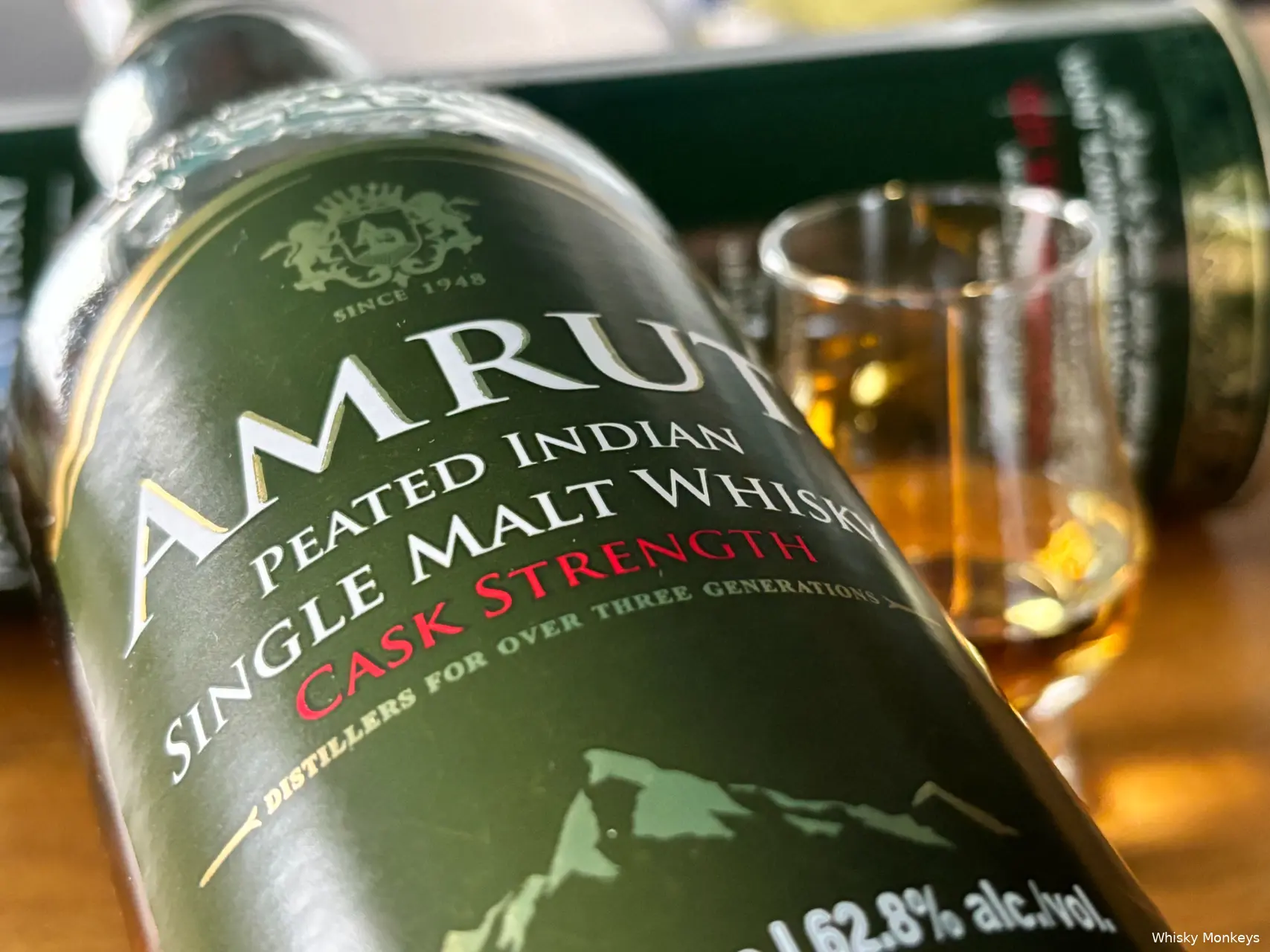
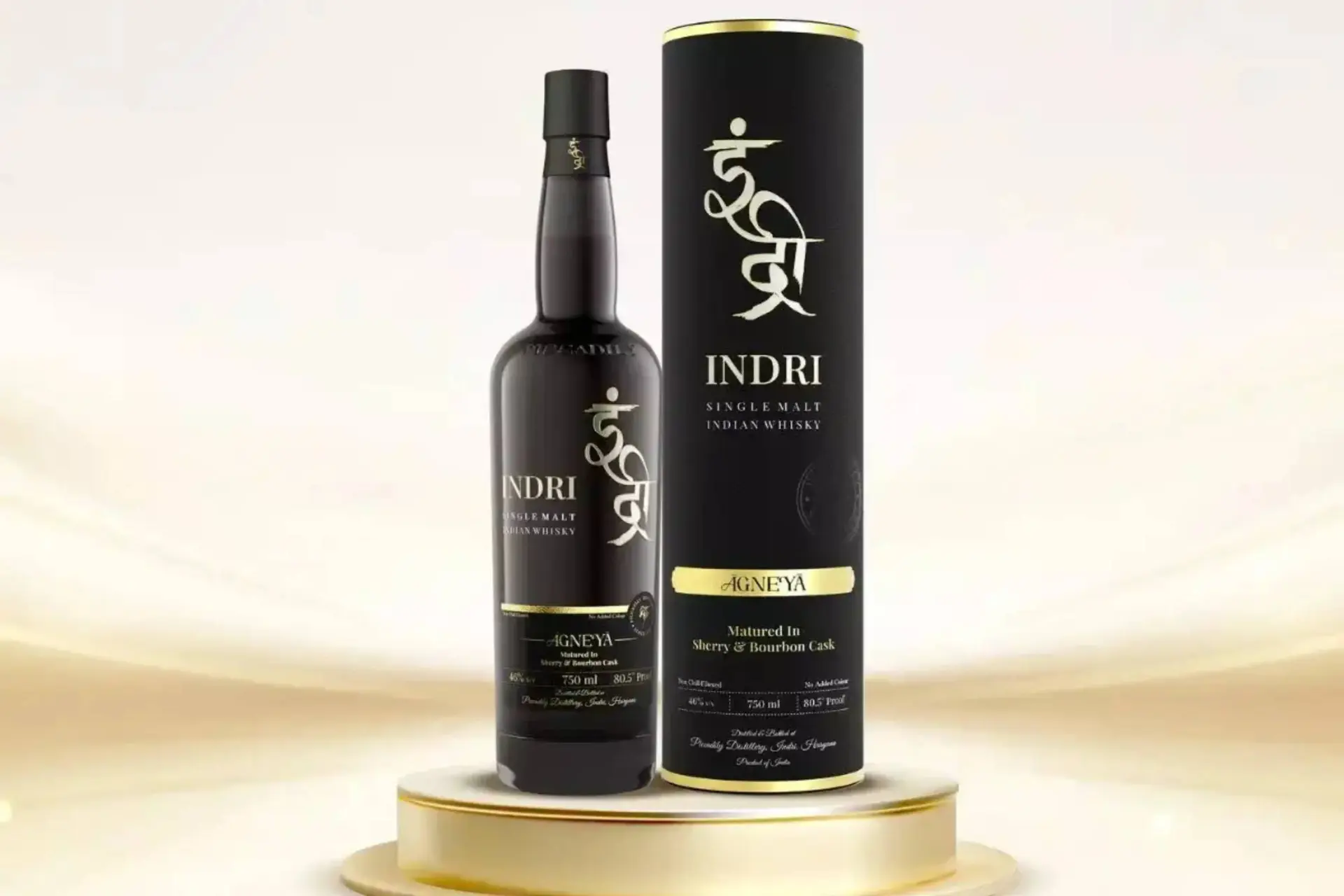
The best news for India’s whisky makers is that this opening doesn’t come out of the blue. Indian whisky has been on the rise for a while. Brands like Amrut, Paul John, and Indri have been making serious strides and racking up international awards in recent years. Some labels have even built loyal followings outside India already.
Indri has meanwhile found its way into UK supermarkets and top-tier retailers, from major chains to a spot at Harrods. Amrut, too, is widely available worldwide and has a trophy cabinet full of accolades for both peated and unpeated whiskies.

Poorly timed for Scotland
For Scotland’s sector, the added competition comes at an awkward moment. Scotch exports fell in both value and volume in 2025, partly due to a new US import levy that cast doubt over one of its most important markets. India was one of the few bright spots: the largest market by volume and now third by value.
And the very deal meant to prise open a vast new market also strengthens a rival to Scotland’s whisky industry at the same time.
Read also
Will it really come to the boil?
Keep a cool head. Scotch still dominates the global market by a wide margin, and Indian single malt in the UK remains a niche within a niche for now. One trade agreement doesn’t mean Scotch, or Scottish whisky in general, will be pushed aside by another country’s spirit. There are far too many die-hard fans of the Scottish water of life for that.
The direction of travel, though, is clear. Indian whisky is a category already winning awards and attention and now it gains a pricing edge on one of the world’s premier stages. The real impact will only become clear in a few years, when the first bottles under the new terms hit the shelves.
FAQ
- What does the deal mean for Indian whisky in the UK?
Roughly 99 percent of Indian exports to the UK, spirits included, will enter duty-free. That makes Indian single malt more competitively priced in the British market. - Isn’t this good news for Scotland, then?
In the short term, yes: lower Indian tariffs open up the world’s biggest whisky market. The less discussed risk is that the same deal strengthens Indian competition on Scotland’s home turf. - Will Indian malt really displace Scotch?
Not for the foreseeable future. Scotch remains the clear market leader. But with pricing, distribution, and now a tariff advantage, Indian single malt is undeniably on the up.
loading
POPULAR NEWS
The 10 whisky brands connoisseurs admire most

Bowmore's new whisky tastes like charred mango, says the distillery

The best whiskies from all of Speyside: these are the ones to pour this year
You’ll never drink whisky the same way after trying these chocolate pairings
Scottish community distillery sounds the alarm as whisky industry downturn bites
A brand new Ardbeg is coming and the current whiskies are getting a new look

Laphroaig honors its savior with an extraordinarily old and rare whisky
Indian ban forces sudden recipe change for a popular Diageo whisky
This might be the secret behind Indias rapid whisky rise

Whisky Names Explained: Highland Park Dragon Legend
LATEST COMMENTS
- Thank you for the compliment. I really appreciate it.M0nkey31-08-2026
- I enjoyed reading the different approaches to building a whisky collection. Whether you collect by region, style, or limited releases, discovering new brands keeps the hobby interesting. Soorahi is another premium whisky worth considering for collectors looking to explore the evolving world of quality whiskies.dinesh04-08-2026
- There is no distillery equipment there and also no licences to produce or sell alcohol.TRC19-12-2025
- Hi Yvonne, Thank you for your response and for sharing the video. Unfortunately, the evidence you referred to consists only of two people talking about the whisky, without any explanation or identification. We have not spoken to the individuals in the video ourselves, nor can we verify who they are. We describe it as a Chinese whisky because it is released by a Chinese distillery. As you mentioned, the distillery has chosen to label the product as “pure malt” instead of “Chinese whisky.” Based on that, we do not believe they are doing anything illegal.M0nkey16-11-2025
- So - you have the proof......where's your write up?Yvonne16-11-2025
- You are absolutely right. Luckily that doesn't matter for the taste of the whisky. Have you tried it yet?M0nkey05-11-2025
- Guess what? Finland is not part of Scandinavia.Gray105-11-2025
- Throw in the towel? You mean restructure to compete and win in a challenging industry environment.WestwardFounder21-10-2025
- There is nothing legally to prevent the English whisky GI from coming into force, it complies with all the relevant laws and the single malt definition follows the precedent of Welsh whisky and US whiskyChefBear15-10-2025
- Three emails sent (two with videos, linked to a Google Drive Share). 1. The original video. 2. The video with subtitles as it was shared on YouTube 3. Screen grab of the YouTube channel where the video was blocked due to Pernod Ricard lobbying. The story was covered on Drinks Intel at the time - link here - https://drinks-intel.com/subscriber-news/pernod-ricards-the-chuan-pure-malt-whisky-not-sourced-solely-from-china-global-drinks-intel-exclusive/Yvonne10-10-2025
Loading