Never miss whisky news, reviews, and new releases again.
Add Whisky Monkeys as a Google favoriteIndian whisky is among the best-selling whisky in the world. But did you know that many Indian whiskies contain a surprising ingredient? Some of their flavour and character actually comes from Scotland. How does that work, and why is Scotch whisky used in Indian whisky?
India’s population of around 1.44 billion—the largest in the world—naturally helps boost the sales figures of Indian whisky. But did you also know that Scotch whisky is often used in the production of Indian whisky?
Why is Scotch whisky used in Indian whisky?
The fact that India doesn’t have to follow Scotch whisky regulations makes things a little easier.
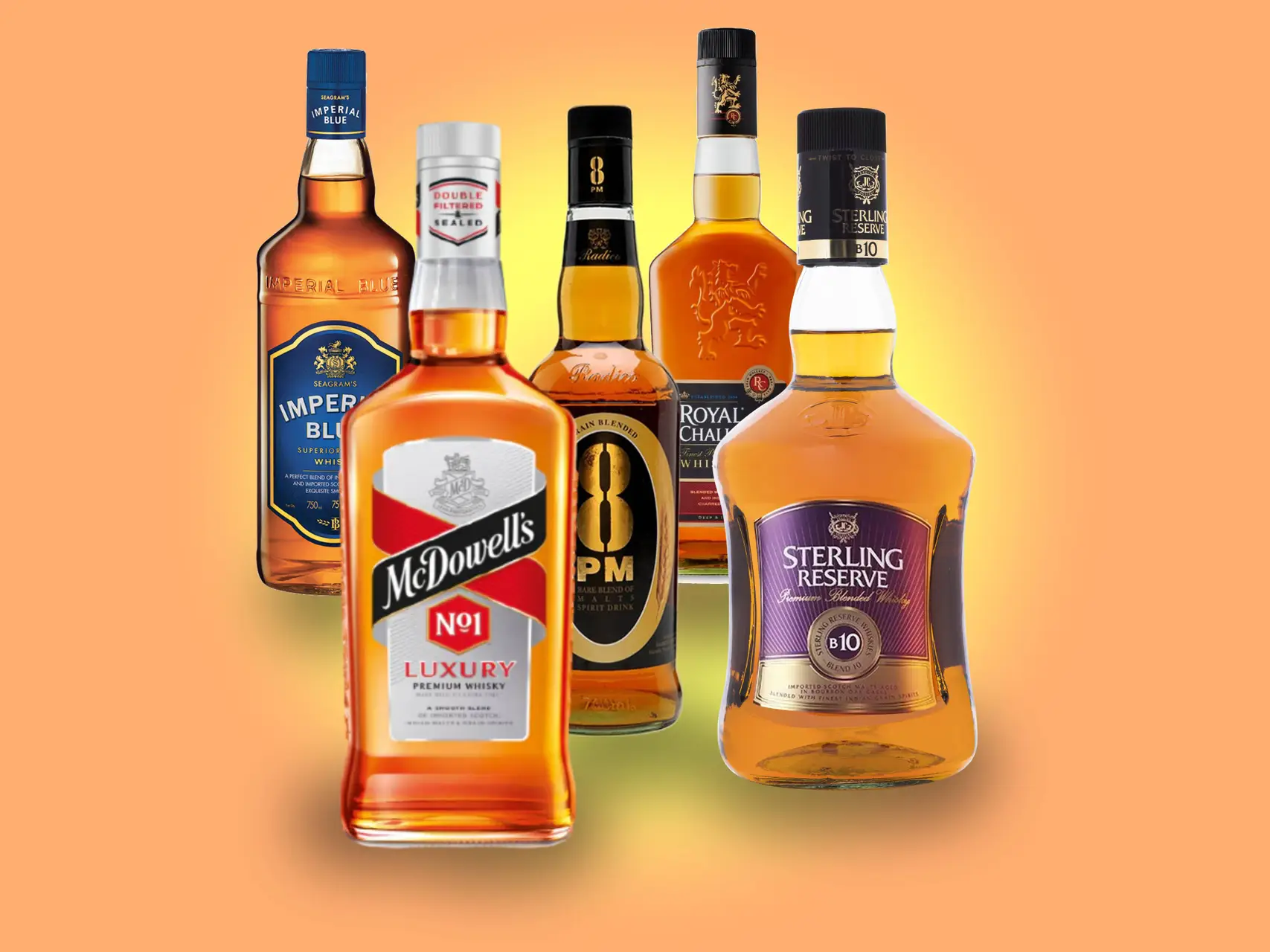
Take McDowell’s No.1, for example, which is marketed by United Spirits Limited, a subsidiary of Diageo. This Indian whisky is made in part from alcohol distilled from sugarcane or grain, blended with a proportion of Scotch whisky, often between 5% and 15%. The Scotch component adds extra complexity and character to the Indian whisky.
Taste is, of course, a matter of personal preference. That’s why the difference between a blend and a single malt is often a lively topic of conversation whenever whisky lovers get together.
What’s actually in Indian whisky?
Let’s take another look at Indian whisky, which doesn’t have to meet the same production standards as whisky from the European Union, the United Kingdom or the United States.
Broadly speaking, some Indian whisky is made from three components. And in India, that’s perfectly legal. The first is extra-neutral alcohol made from molasses. The second is grain alcohol, produced using wheat, rice or corn. The third is Scotch whisky, usually making up around 5% to 15% of the blend.
That’s how well-known brands such as Officer’s Choice, Royal Stag and Imperial Blue are sold in huge quantities in bars and shops across India. But do the people who drink these whiskies know that some of their drink’s complexity and character comes from Scotland?
FAQ
- What’s the difference between Indian whisky and Scotch whisky?
Scotch whisky must be aged for at least three years in oak casks and meet strict legal requirements. India has different rules, and Indian whisky may be made using alcohol derived from molasses or grain. - Why is Scotch whisky added to Indian whisky?
Scotch whisky is added to some Indian whiskies to give them more flavour, complexity and character. It usually makes up a relatively small proportion of the blend. - Which Indian whisky brands are popular worldwide?
Well-known Indian whisky brands include McDowell’s No.1, Officer’s Choice, Royal Stag and Imperial Blue. These whiskies are sold in enormous quantities, particularly in India.
loading
POPULAR NEWS
Bowmore Brings Back a Devilish Whisky After More Than 10 Years (and Two Old Casks Take Center Stage)
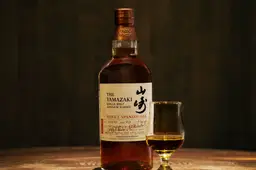
Yamazaki’s New Japanese whisky reveals a surprising side of Spanish oak casks
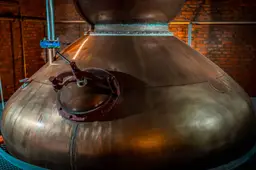
Belgian Distillery Gone: Old Caperdonich Stills Up for Auction
5 Indian whiskies that taste like liquid gold
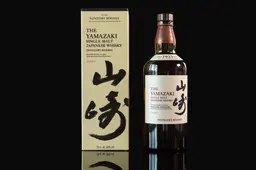
These 5 Japanese Whiskies Have Been Crowned Liquid Gold (And You Won’t Know Every Name)
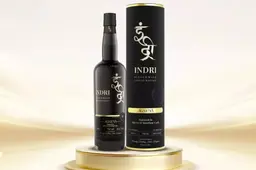
From Amrut to Indri: These Indian Whiskies Are Turning Heads in 2026
Scotland Fears for the Future of Single Malt Whisky: Here’s Why

Turntable Just Did Something Unusual With three New Scotch Whiskies
Hazelburn whisky's historic name hides details that might surprise the whisky lover

Johnnie Walker Embraces K-Pop with a New Collaboration
LATEST COMMENTS
- Thank you for the compliment. I really appreciate it.M0nkey31-08-2026
- I enjoyed reading the different approaches to building a whisky collection. Whether you collect by region, style, or limited releases, discovering new brands keeps the hobby interesting. Soorahi is another premium whisky worth considering for collectors looking to explore the evolving world of quality whiskies.dinesh04-08-2026
- There is no distillery equipment there and also no licences to produce or sell alcohol.TRC19-12-2025
- Hi Yvonne, Thank you for your response and for sharing the video. Unfortunately, the evidence you referred to consists only of two people talking about the whisky, without any explanation or identification. We have not spoken to the individuals in the video ourselves, nor can we verify who they are. We describe it as a Chinese whisky because it is released by a Chinese distillery. As you mentioned, the distillery has chosen to label the product as “pure malt” instead of “Chinese whisky.” Based on that, we do not believe they are doing anything illegal.M0nkey16-11-2025
- So - you have the proof......where's your write up?Yvonne16-11-2025
- You are absolutely right. Luckily that doesn't matter for the taste of the whisky. Have you tried it yet?M0nkey05-11-2025
- Guess what? Finland is not part of Scandinavia.Gray105-11-2025
- Throw in the towel? You mean restructure to compete and win in a challenging industry environment.WestwardFounder21-10-2025
- There is nothing legally to prevent the English whisky GI from coming into force, it complies with all the relevant laws and the single malt definition follows the precedent of Welsh whisky and US whiskyChefBear15-10-2025
- Three emails sent (two with videos, linked to a Google Drive Share). 1. The original video. 2. The video with subtitles as it was shared on YouTube 3. Screen grab of the YouTube channel where the video was blocked due to Pernod Ricard lobbying. The story was covered on Drinks Intel at the time - link here - https://drinks-intel.com/subscriber-news/pernod-ricards-the-chuan-pure-malt-whisky-not-sourced-solely-from-china-global-drinks-intel-exclusive/Yvonne10-10-2025