From boxing champion to whisky expert: the man behind Highland Park reveals his secrets (Interview)
Interviews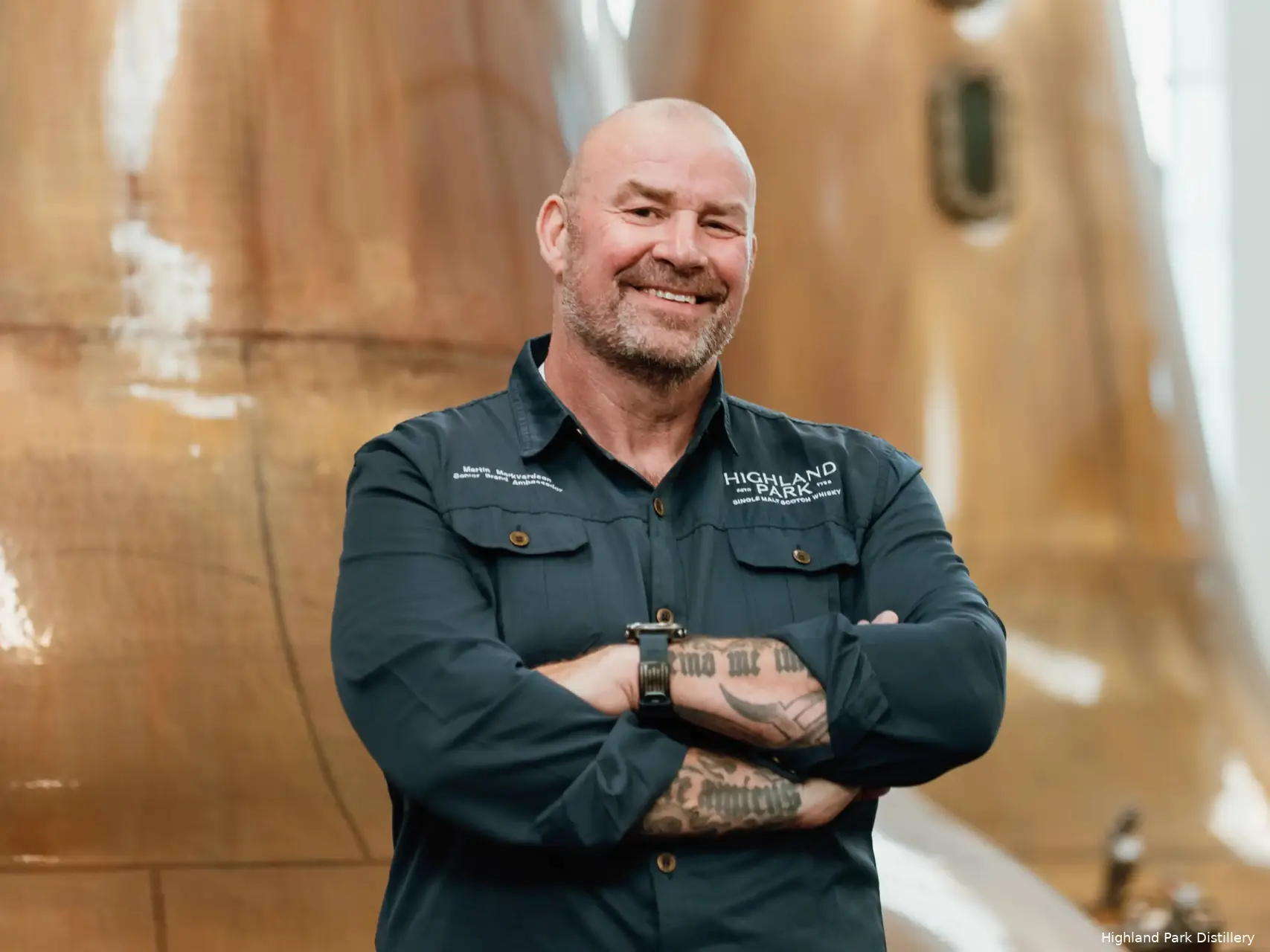
Never miss whisky news, reviews, and new releases again.
Add Whisky Monkeys as a Google favoriteOne day off during a military exercise in Scotland changed his life forever. What started with an unexpected visit to Glenkinchie Distillery in 1987 turned into a lifelong passion for whisky. Today, Martin Markvardsen has spent more than two decades sharing the story of Highland Park, one of Scotland's most iconic single malt distilleries. But there's much more to the man behind the whisky than you might expect.
From becoming a two-time Danish boxing champion to working as a nightclub bouncer in Copenhagen, Martin's journey into the whisky world has been anything but ordinary. We got to talk with with the Highland Park whisky expert to talk about his remarkable career, the secrets behind Orkney's distinctive whisky, the people who shaped his life and what the future holds for Scotch whisky. And yes, we even discovered which Highland Park bottle he considers the ultimate expression of the distillery.
Was there a specific bottle, moment or person that sparked your passion for whisky?
Yes, in
1987 I was on military exercise near Edinburgh and we had one day off. All my
colleagues went for a pub-crawl, I rented a car as I wanted to see parts of
Scotland. Went into Glenkinchie and was shown around by one of the guys in
production. It was the passion and stories that got me hooked, and then later
the diversity in Scotch Whisky…after that visit my future was written on a
bottle of whisky…. or something like that.
You’ve been working at Highland Park for over 20 years. What keeps the role exciting after all this time?
It’s the people most of all, but of course Highland Park
whisky as well. I believe in the brand and always done. I think Highland Park
is unique. Theres always new things to learn, new ways of doing things, but
it’s the people behind the brand, the location of Highland Park and the amazing
whisky we make…..

After 20 years of telling Highland Park's story, what's the one story about yourself you've never really had the chance to tell?
Haha, for me it’s always been about Highland
Park. I’m not important or that interesting. Never really thought about that,
but not many people know that I used to be 2 times Danish Boxing Champ, I’m
extremely bad playing golf, I love riding my bike, but most of all I love
spending time with my family and my two dogs. Previous I work in the Danish
Military Police, I worked in a kindergarten, I was a bouncer in Copenhagen
Nightlife for 14 years and I used to be the whisky manager at Craigellachie
Hotel in Speyside….and a few other jobs relating to whisky.
You first tasted Highland Park in 1989. If you could sit down today with the young Martin who took that first sip, what would you pour him today?
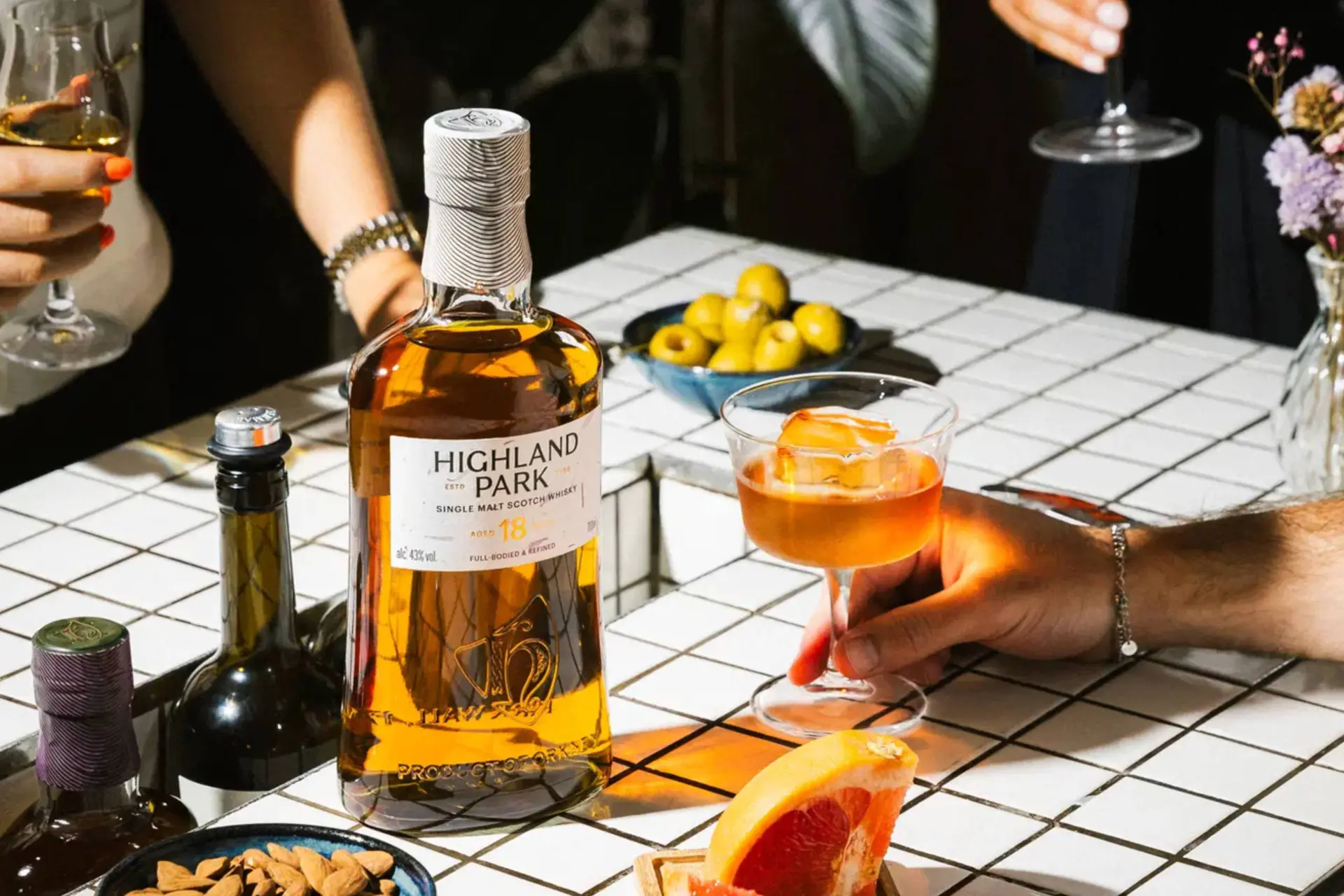
Today I would probably pour
young Martin a glass of Highland Park 18yo. It became my favorite whisky when
it was launched almost 10 years later, and completely blew me away, just as the
first Highland Park.
Who's the one person in the whisky industry who left a lasting impression on you, and what's the story behind that?
There have been a lot of people that made a huge impression
on me, as mentors, heroes, friends. One man stands out, Jason Craig, who sadly
passed away in 2022. Jason was Highland Park Brand Director, but he was also my
mentor from the first day at Highland Park. Jason believed in me, he became my
best friend and everyone that had the pleasure of meeting Jason talked about
him as the best. He has a very special place in my heart and in the soul of
Highland Park.

People talk about “terroir” in whisky all the time. What can I actually taste in Highland Park that exists because it was made on Orkney?
It’s a great question, as it has been
discussed over the year if there is such a thing in the whisky industry. We
know it’s a big thing in the world of wine. I think the real terroir in the
whisky industry comes down to the location of the peat moors. When we talk
about peat the big locations for cutting peat will be Islay, St. Fergus,
Tomintoul and Orkney. The composition of peat and the decomposed organic matter
over thousands of years will be different and give different flavors to the
whisky. In Highland Park the sweet honey floral note comes from our local peat
at Hobbister moor and can’t be found the same way anywhere else. This is where
Highland Park really stands apart from anyone else. If the peat is wrong
Highland Park will be wrong, and we are the only distillery in the world using
Orkney peat.
If I blind-tasted Highland Park alongside other lightly peated single malts, what specific characteristic should make me say: “That has to be Highland Park”?
No doubt that the
sweetness you get from the peat stands out. Also, the balance between the
casks, I find unique. The DNA will always be the floral sweet heather notes.
Read also
Highland Park still uses traditional floor maltings. If you stopped tomorrow and bought all your malt commercially, how much would the whisky actually change?
It will change
it a lot. We tried years ago. We even shipped our local peat down to the
maltings, but still it changed our spirit a lot. Over the years, we learned that
humidity, temperatures etc and our kilns make a huge impact on our spirit, so
we put an honor into doing it day in, day out.
If someone spent only one day on Orkney to truly understand Highland Park, where would you take them and why?
I would first take
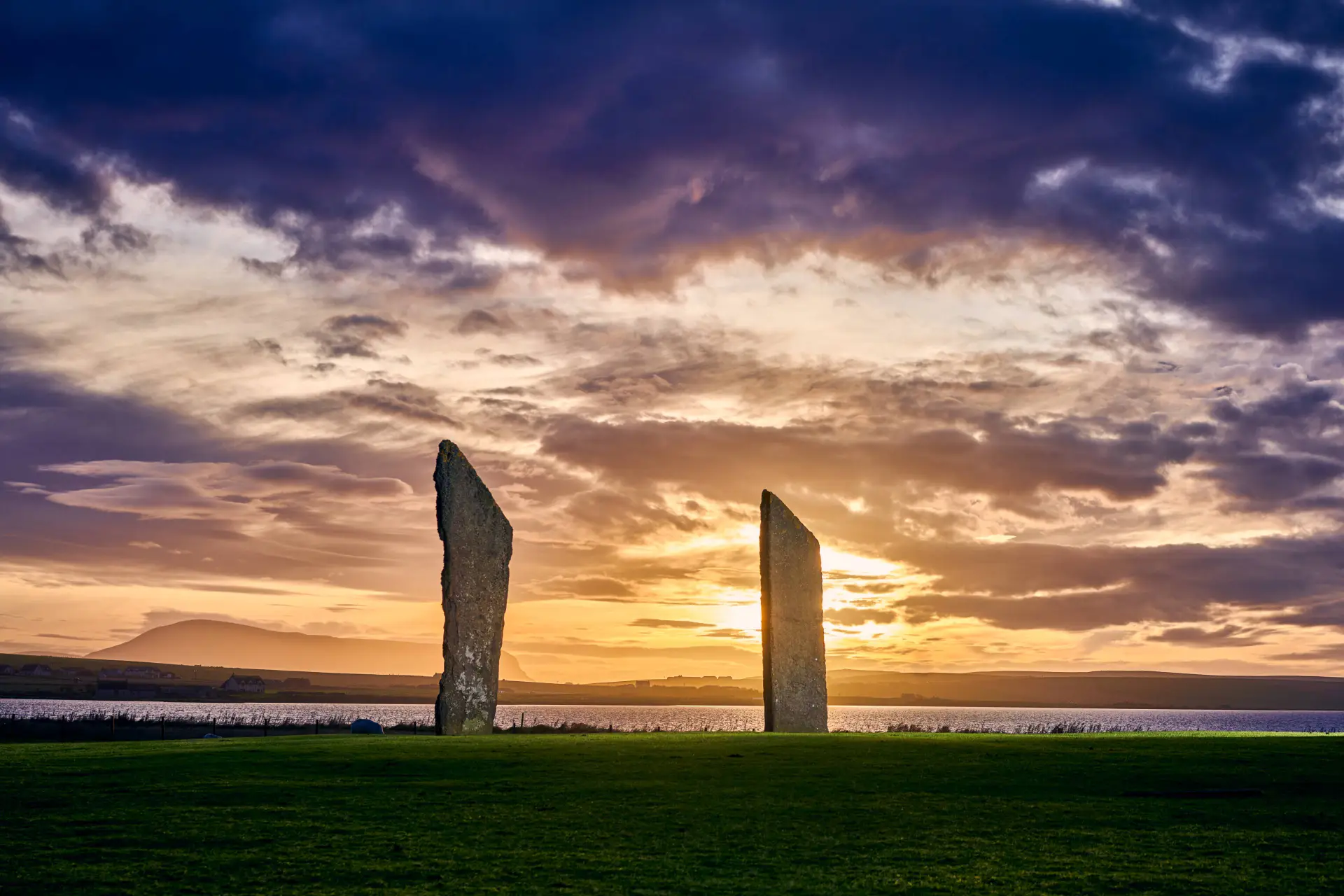
them to Cliffs of Yesnaby. This is where Orkney life begins, this is where
Orkney is formed and the reason, we have very few trees in Orkney due to the
wind that comes in from the Atlantic Ocean. Then ill take the to Hobbister
moor. Here the wind has shaped our peat moor over thousands of years, and the
reason Highland Park tasted the way it does. Finally, they need to see Highland
Park and to meet the people making the whisky. They are the true heroes of
Heroes of Highland Park and to feel the passion behind the scenes.

What is the most important thing happening inside Highland Park today that visitors — and even serious Highland Park collectors — probably don’t know about?
Theres always a
lot of things happening behind the scenes. Creating new products, checking
casks, working on stories. At the distillery in Orkney, there are a lot of
things going on that visitors don’t see. Our warehouse team constantly checking
our 46000 casks on site for leaks, moving them around to make space for new
casks, we have the team at Hobbister working for a better future for our moor
lead by Lewis Robertson who makes sure that our peat will continue to grow for
the next thousands of years.
We also have a new plant
with new washback, heating system etc, that need attention, so always bust busy
busy …..
Whisky enthusiasts obsess over casks. What do they misunderstand most about the influence of sherry-seasoned oak on Highland Park?
I don’t think enthusiasts misunderstand
sherry casks but probably don’t think/know that it’s more oak wood than the
sherry that gives the flavor and color.
Sherry seasoned casks
help with the nuttiness and warm spices, together with some dried fruits and
dark chocolate flavours to appear, but most important is the oak.
When you taste older Highland Park from the 1970s, 1980s or 1990s beside current releases, what has genuinely changed in the spirit - not the packaging, but the liquid?
I think
the key word is consistency today. The whisky we make today is more consistent
in quality. If you compare our 12yo today against 30 to 40 years ago it’s a bit
different. The barley has changed, new variety, yeast has changed and the
whisky has changed. When we launched the 12yo in 1979 we used older whisky in
the 12yo that today, because we could. We did not have a 15yo or 18yo in
market, so might as well make the 12yo as good as we could with older cask.
Today we have to think about cask for not only the 15yo but expressions up to
56yo, so all whiskies has changed dur to the time we live in now.

Of all the Highland Park whiskies you've ever tasted, which bottling best captures the soul of the distillery?
It's a really good question, but
I think today would say the 12yo and 18yo, but if could choose from everything
we have made i would go for the 1977 Bicentenary. I think that has everything
Orkney and Highland Park compressed into one bottle. Together the Highland Park
50yo from 2010 it’s my favourite Highland Park whiskies.
Read also

Highland Park has one of the strongest heritage stories in Scotch whisky. How do you keep the brand relevant for the next generation of whisky drinkers without losing authenticity?
Highland Parks story about Magnus Eunson
and the Orkney heritage is timeless, it will be just as interesting in years
from now as its always been, but as we move up through time, we have discovered
new stories, and new will come. Today more about production and stories from
more modern time. Telling the old stories is part of the DNA for Highland Park,
its part of who we are. We love traditions, but also innovation and there will
never be a future without a past. A clever man once told me; Yesterday is
history, tomorrow is a mystery, today is a gift……I think that captures pretty
much what Highland Park from 1798 is all about.
Looking ahead 10 years, what do you think will change most in the world of single malt whisky?
Well,
if you asked me 20 years ago, I would have answered wrong compared to what the
world of whisky is today.
Back in 1989 when I did
my first whisky tasting, Scotland has 91 distilleries, there were 5 whisky
producing countries… Scotland, Ireland, Japan, USA and Canada…. today it’s
easier to mention the countries that are not making whisk(e)y. Unfortunately, I
think we will see some distilleries closing, but I also think we will see
quality go up. We will see much more experiments with casks, grain, yeast and
we see the whisky cocktail scene grow.
I hope the future will
give us much more food pairings as I think it’s interesting to work with. Most
of all I just hope the industry will stay true to itself. The consumers and the
great people that makes he whisky deserves that.
Want to discover more interviews? Find them here.
loading
POPULAR NEWS
Whisky Names Explained: Octomore
Bowmore Brings Back a Devilish Whisky After More Than 10 Years (and Two Old Casks Take Center Stage)
Glenfiddich, Ardbeg, and Jameson are joined by new names on the 2026 Best Whiskies list
This Japanese whisky is almost too beautiful to open
From Rat to Dragon and Goat: These Whisky Bottles Form a Remarkable Collection
Japanese Oak Lends a Distinctive Twist to This Belgian Whisky (Review)
Belgian distillery unveils Brussels’ first whisky, but you’ll need to act fast if you want one
Belgian Distillery Gone: Old Caperdonich Stills Up for Auction
This Highlander is Glenmorangies oldest whisky ever
5 Indian whiskies that taste like liquid gold
LATEST COMMENTS
- Thank you for the compliment. I really appreciate it.M0nkey31-08-2026
- I enjoyed reading the different approaches to building a whisky collection. Whether you collect by region, style, or limited releases, discovering new brands keeps the hobby interesting. Soorahi is another premium whisky worth considering for collectors looking to explore the evolving world of quality whiskies.dinesh04-08-2026
- There is no distillery equipment there and also no licences to produce or sell alcohol.TRC19-12-2025
- Hi Yvonne, Thank you for your response and for sharing the video. Unfortunately, the evidence you referred to consists only of two people talking about the whisky, without any explanation or identification. We have not spoken to the individuals in the video ourselves, nor can we verify who they are. We describe it as a Chinese whisky because it is released by a Chinese distillery. As you mentioned, the distillery has chosen to label the product as “pure malt” instead of “Chinese whisky.” Based on that, we do not believe they are doing anything illegal.M0nkey16-11-2025
- So - you have the proof......where's your write up?Yvonne16-11-2025
- You are absolutely right. Luckily that doesn't matter for the taste of the whisky. Have you tried it yet?M0nkey05-11-2025
- Guess what? Finland is not part of Scandinavia.Gray105-11-2025
- Throw in the towel? You mean restructure to compete and win in a challenging industry environment.WestwardFounder21-10-2025
- There is nothing legally to prevent the English whisky GI from coming into force, it complies with all the relevant laws and the single malt definition follows the precedent of Welsh whisky and US whiskyChefBear15-10-2025
- Three emails sent (two with videos, linked to a Google Drive Share). 1. The original video. 2. The video with subtitles as it was shared on YouTube 3. Screen grab of the YouTube channel where the video was blocked due to Pernod Ricard lobbying. The story was covered on Drinks Intel at the time - link here - https://drinks-intel.com/subscriber-news/pernod-ricards-the-chuan-pure-malt-whisky-not-sourced-solely-from-china-global-drinks-intel-exclusive/Yvonne10-10-2025
Loading