Why Highland Park Whisky Can’t Be Made Anywhere Else in the World
SectionsMonday, 28 September 2026 at 12:35
Never miss whisky news, reviews, and new releases again.
Add Whisky Monkeys as a Google favoriteYou can spot a glass of Highland Park not just by its color or its gentle wisp of smoke, but above all by the harmony of sweet fruit, honey, and spice. That character is inseparable from its homeland: Orkney. But what exactly does the island do to the whisky, where does that smoke come from, and why can’t Highland Park be made the same way anywhere else? Here’s what lies behind the magic in these bottles of Scottish single malt whisky.
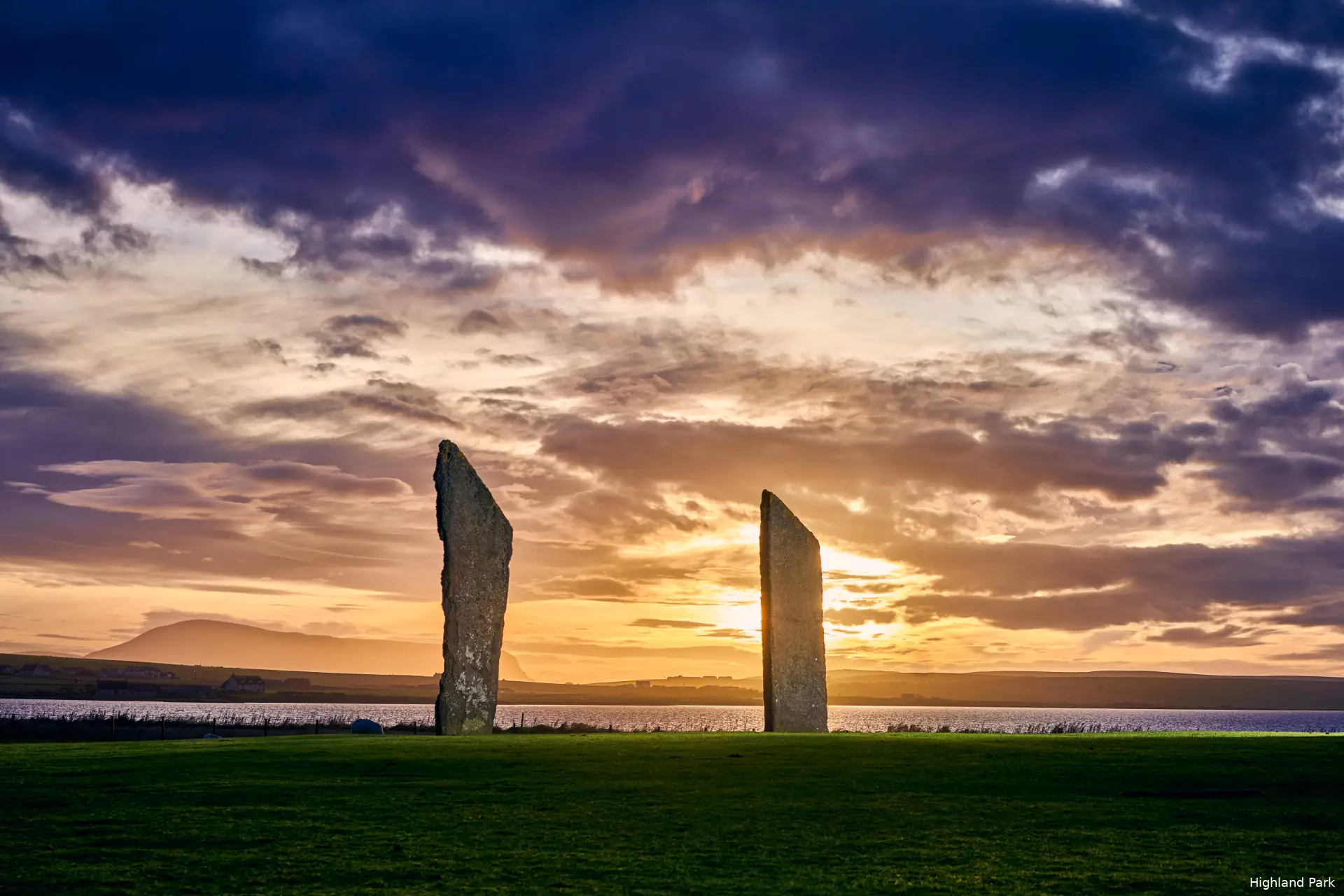
The distinctive taste and aroma of Highland Park are born in a place with a character all its own. Highland Park has been making whisky since 1798 in Kirkwall on Orkney, an island group north of mainland Scotland. It’s far more than a charming address on a label. It’s a unique place where, for thousands of years, an ingredient has been quietly biding its time, ready to deliver one of Highland Park’s signature traits.
| New whiskies at Whisky Exchange | |
| Highland Park 17 Year Old Between You and I | 116 pounds |
| The Glenturret Remanence | 88,95 pounds |
| Compass Box This is a 20-year old whisky | 63,95 pounds |
It all begins on Hobbister Moor
We’re talking about the peat Highland Park uses to dry its malted barley. A few kilometers outside Kirkwall lies Hobbister Moor, the very spot where Highland Park cuts its peat. This peat is special: relentless island winds make it hard for trees to grow, so Orkney has few large trees. Heather thrives here instead, and over centuries that heather has become part of the peat layers.
Highland Park is the only distillery in the world, and the only single malt, to use this specific Orkney heathered peat. When the malt is kilned, that peat imparts a subtler, more aromatic character than you might expect when you hear the word “peated.”
So don’t expect a glass where smoke bulldozes everything in its path or calls to mind an ashtray. Highland Park is all about balance: think heather honey, sweet fruit, and warm spices, with a fine ribbon of fragrant smoke in the background. That unique peat immediately weaves a signature element into the Highland Park spirit that will one day become whisky. But that’s not the whole story.

Highland Park holds fast to strong traditions
At the distillery itself, Highland Park still does something rare these days: it operates traditional malting floors. A portion of the barley is malted here and turned by hand before the malt heads to the kilns.
That’s where Hobbister Moor comes back into play. Local peat is used during drying, lending its aromatic smoke to the malt. Highland Park still runs two traditional kilns for this, and even the newer of the two is now over a century old. In the glass, you taste a piece of history from those kilns, along with the craftsmanship, blood, sweat, and tears of the people working the malt.
Floor malting is labor-intensive and far from the easiest way to make whisky. Highland Park sticks with it because the process is essential to the whisky’s character. It ensures the smoke isn’t an afterthought, but part of the spirit from the very first moment. It also keeps a measure of quality control firmly in their own hands.
From the sherry bodegas to Scotland’s Orkney
Peat is only part of the story. Highland Park invests extraordinary care in the casks where the spirit then rests for years. Sherry-seasoned European and American oak play a leading role. You might think this is a simple step—but you’d be very much mistaken.
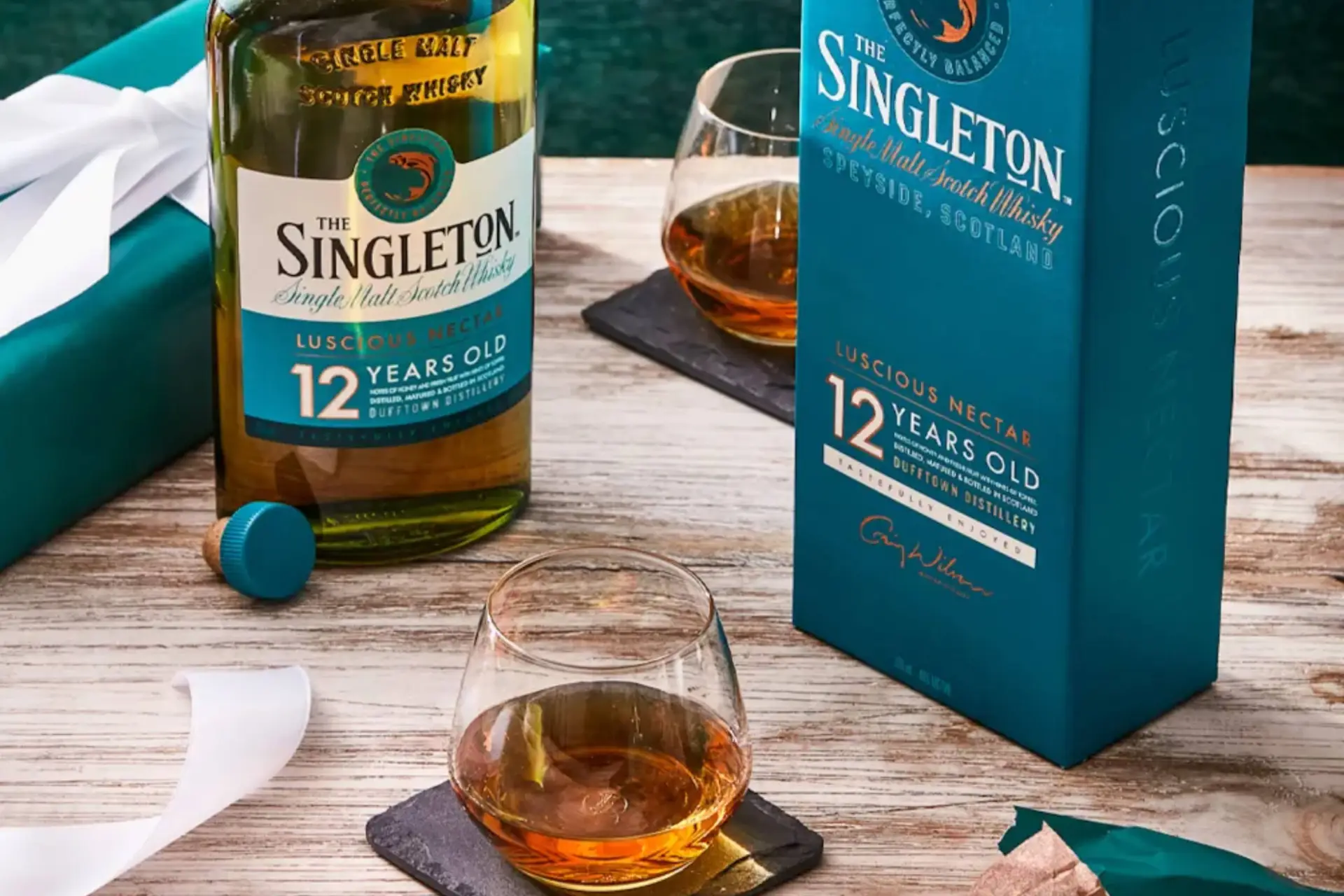
Cask selection and preparation can begin as much as five years before any Highland Park ever sees the inside of a barrel. The wood is chosen and air-dried, then made into casks in southern Spain. These are filled with sherry for 12 to 18 months at local bodegas, and only then are they shipped to Orkney.
Highland Park says the cask is responsible for around 60 percent of the whisky’s flavor and 100 percent of its natural color. Take that first number as a way of underscoring just how vital the wood is. The fact remains: they go to great lengths to keep a tight grip on their casks.

Crafting flavor
The type of oak, the size of the cask, and whether it’s first-fill or refill all make a big difference. First-fill casks typically impart a much stronger influence from the wood, while refills leave more room for the spirit’s original character to shine.
European oak can bring dried fruit, tannins, and baking spices. American oak leans creamier, towards vanilla. Sherry seasoning adds layers of rich dried fruit and color.
That gives Highland Park a rich palette to play with. The smoke from Hobbister Moor remains the common thread, while different casks can weave in fruit, vanilla, chocolate, spice, or dried fruit around it.
Combine that with the aromatic peat smoke unique to Orkney and you see why Highland Park sits so beautifully between two worlds: smoky, yet also sweet, spicy, and invitingly smooth.
Even maturation follows Orkney’s rhythm
Highland Park whisky is Orkney from A to Z. That also means the whisky simply matures on Orkney itself. At the distillery, Highland Park still uses traditional dunnage warehouses with earthen floors. There, the casks rest for years in the island’s relatively temperate climate.
That climate sees fewer extreme temperature swings than many other places. Research also shows that during maturation on Orkney, less whisky is lost to the famous angel’s share than on the Scottish mainland.
The Atlantic Ocean doesn’t exactly pour straight into the cask, and a warehouse by the sea doesn’t automatically mean you’ll taste salt. What it does mean is that the interaction between spirit and wood is distinctive, creating a whisky that’s singular in character. Provided you have patience—Highland Park doesn’t bottle its whisky young. And with whisky, patience rarely tastes wrong.

In the end, you have to taste it for yourself
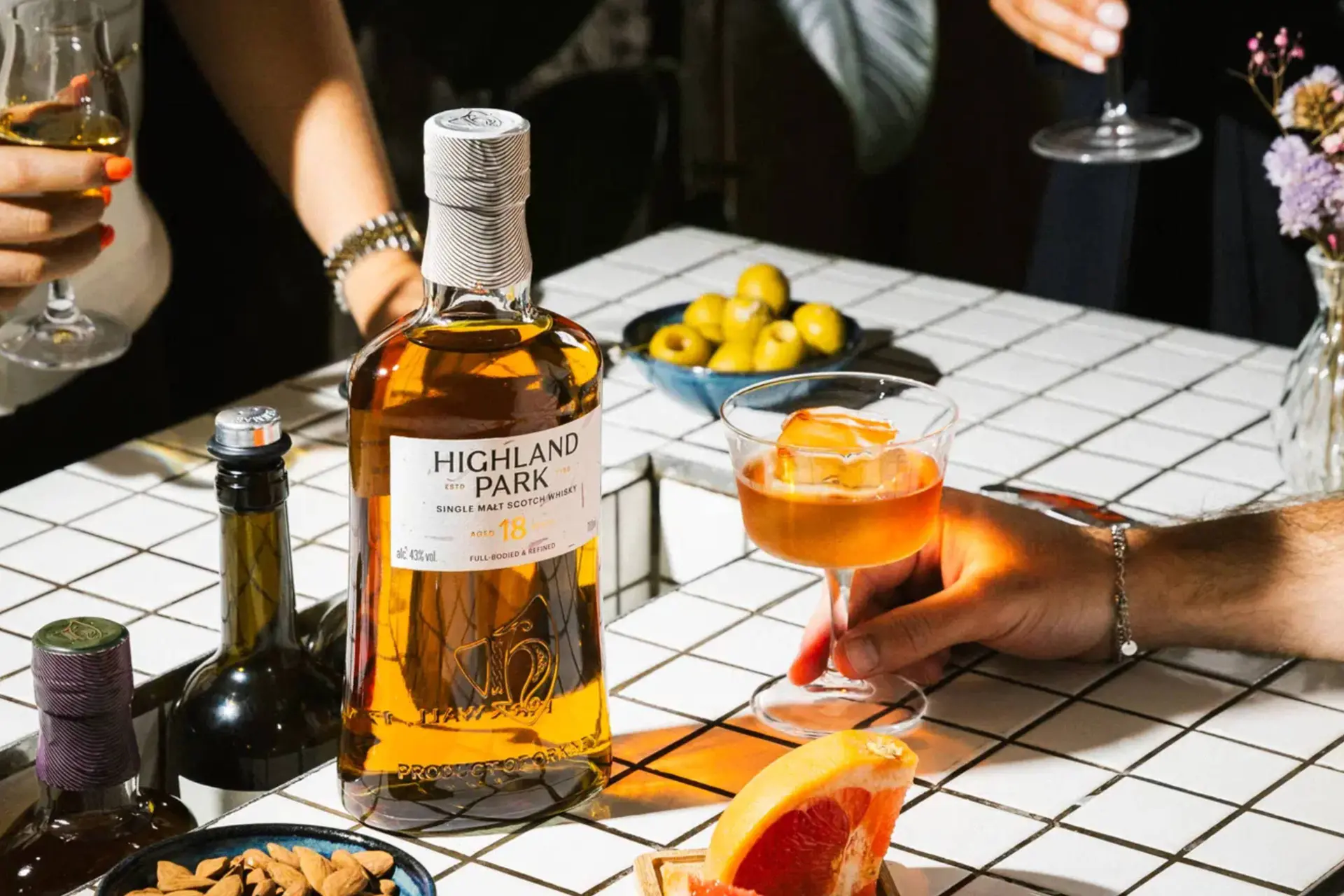
Start with a Highland Park 12 and don’t just hunt for smoke. Look at what comes first: orange, sweet fruitcake, heather honey, and spice. Only then should you wait for the gentle, aromatic smoke that slowly threads through the sweeter notes. That’s exactly where Highland Park shines. The official tasting notes for the 12 Year Old even call out that interplay of Seville orange, spiced fruitcake, heather honey, and delicate peat smoke.
Move on to the 18 Year Old and it turns richer and darker. Baked cherries and dark chocolate join in, with salted honeycomb and, again, that heather smoke lingering in the background.
And maybe that’s ultimately the most delicious way to understand why Highland Park is so bound to Orkney. You could write a thousand more words about it, but pouring a glass works much faster. Take in the packaging that radiates Orkney from head to toe, then sip a whisky that completes the whole Orkney experience.
loading
POPULAR NEWS
Next year’s exclusive Johnnie Walker whisky is already on sale

The 10 whisky brands connoisseurs admire most
You’ll never drink whisky the same way after trying these chocolate pairings
Scottish community distillery sounds the alarm as whisky industry downturn bites
UK government shuts down whisky company over the sale of non-existent casks
This rare whisky combines Belgian spirit with Japanese craftsmanship
Breaking: English whisky wins historic protection
Why Bruichladdich’s Master Blender Wants Islay in Every Drop of Whisky

Ardbeg ends popular whiskyseries with one more bottle
This Scotch whisky matures in 6 different casks, but can you taste it?
LATEST COMMENTS
- Thank you for the compliment. I really appreciate it.M0nkey31-08-2026
- I enjoyed reading the different approaches to building a whisky collection. Whether you collect by region, style, or limited releases, discovering new brands keeps the hobby interesting. Soorahi is another premium whisky worth considering for collectors looking to explore the evolving world of quality whiskies.dinesh04-08-2026
- There is no distillery equipment there and also no licences to produce or sell alcohol.TRC19-12-2025
- Hi Yvonne, Thank you for your response and for sharing the video. Unfortunately, the evidence you referred to consists only of two people talking about the whisky, without any explanation or identification. We have not spoken to the individuals in the video ourselves, nor can we verify who they are. We describe it as a Chinese whisky because it is released by a Chinese distillery. As you mentioned, the distillery has chosen to label the product as “pure malt” instead of “Chinese whisky.” Based on that, we do not believe they are doing anything illegal.M0nkey16-11-2025
- So - you have the proof......where's your write up?Yvonne16-11-2025
- You are absolutely right. Luckily that doesn't matter for the taste of the whisky. Have you tried it yet?M0nkey05-11-2025
- Guess what? Finland is not part of Scandinavia.Gray105-11-2025
- Throw in the towel? You mean restructure to compete and win in a challenging industry environment.WestwardFounder21-10-2025
- There is nothing legally to prevent the English whisky GI from coming into force, it complies with all the relevant laws and the single malt definition follows the precedent of Welsh whisky and US whiskyChefBear15-10-2025
- Three emails sent (two with videos, linked to a Google Drive Share). 1. The original video. 2. The video with subtitles as it was shared on YouTube 3. Screen grab of the YouTube channel where the video was blocked due to Pernod Ricard lobbying. The story was covered on Drinks Intel at the time - link here - https://drinks-intel.com/subscriber-news/pernod-ricards-the-chuan-pure-malt-whisky-not-sourced-solely-from-china-global-drinks-intel-exclusive/Yvonne10-10-2025
Loading