Never miss whisky news, reviews, and new releases again.
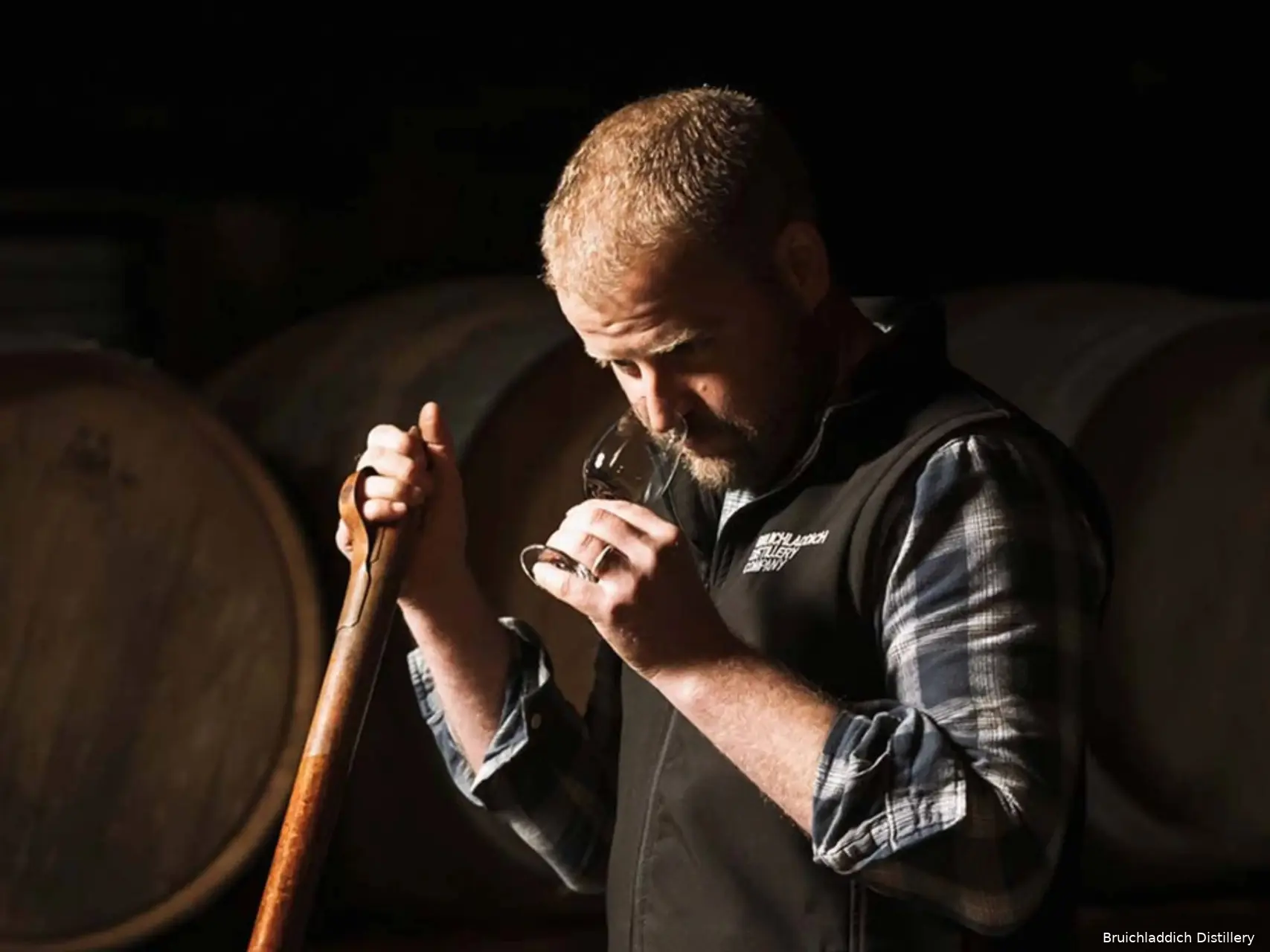
Add Whisky Monkeys as a Google favoriteOn Islay whisky is part of life for most people. Adam Hannett (43), master blender at Bruichladdich, grew up here. We talked to Hannett about life, whisky and the future of Bruichladdich.
Over the years, Hannett learned from some of Bruichladdich’s most influential figures. Take for example Jim McEwan and Duncan McGillivray. Today, he doesn't only make the Bruichladdich spirit, but also Port Charlotte and Octomore while continuing to experiment with barley, casks and different approaches to whisky making.
You grew up on Islay. Which memories of the island stand out most from the years before whisky became part of your life?
I love living on Islay and have nothing but fond memories
growing up here. The scenery is breathtaking and my childhood was predominantly
spent outdoors with my siblings - walking, swimming and exploring the beaches.
The way the light changes throughout the year with the seasons and the weather
means the view never looks the same two days in a row - and so a small island
can always look new.
What was your first experience with whisky?
Like most people on Islay, whisky was always part of
family celebrations. While my first unnofficial whisky might have been to sooth
sore gums as a baby. Then my dad gave me my first dram during a Hogmanay
celebration to toast the new year.
When did whisky first become genuinely interesting to you?
The moment I joined Bruichladdich. I wanted to stay on
the island and when Bruichladdich reopened in 2001 I jumped at the chance to
work in the visitor centre. Being immersed in the story of the distillery, the
spirits we were creating, and the people who worked there got me hooked.
You started at Bruichladdich as a tour guide. What was it about the distillery that drew you further in?
Undoubtly the people. The energy and the passion was
palpable, there was a real sense of community. Every day I was learning
something new from the whole team around me – and I beame completely
fascinated. Whisky is more than chemisty and craft, it’s agriculture,
community, memory time.
Who had the greatest influence on you during those early years?
Duncan McGillivray, our previous Distillery Manager, was
a huge influence. He had such a positive, can-do attitude and nothing was ever
a problem. He also had an encyclopedic knowledge of the disitllery – every
machine, every sound, every smell. It was unbeliveable. Without him we would
never have got the Victorian equipment up and running again. A proper
Bruichladdich legend.
What did it mean to you personally to eventually take over from Jim McEwan?
Jim was an incredible mentor and I feel honoured to have
learned from him. But of course they are big shoes to fill! But before Jim left
he told me to do everything my way, in my style – it had to be me in the whisky.
I still carry everything he taught me, while telling my own story.
How has your own approach to making whisky developed since then?
Being Master Blender comes with a lot of responsibilty –
managing a team as well as our stocks and spirit. I’ve grown in confidence over
the years and refined my own whisky making style. As Bruichladdich has evolved
so have our sustainability committments, and I’m always looking at ways we can
reduce our inputs, get the most out of our raw ingredients, and give back to
the community and environment.
What does the way you make whisky reveal about you as a person?
Paitience! Nothing in whisky is every done quickly.
Nothing is rushed and absoultey everything is considered. In today’s fast-paced
world, to be able to take your time over something and really scrutinse every
detail is a wonderful part of the job.
Can you remember a cask that genuinely surprised you? And how did it surprise you?
One of the joys of my job is having the responsibility to
keep an eye on the maturing stocks, which means opening the casks and sampling
them to check on the progress and assess the whiskies. In doing this, I’ve learned
that every cask really is individual and two of the same casks maturing side by
side can differ quite dramatically. I suppose seeing this over the years means I
expect the unexpected! I’ve come to realise that marrying and blending casks is
all about understanding how the differences work together to create a balance
and flavor profile that helps to tell the story of the whisky itself.
What do you notice in a whisky today that you might not have noticed twenty years ago?
The agricultural side of whisky making is a lot more
prominent in our industry now. Our spirits start in the soil, and at
Bruichladdich we’ve always been fascinated in barley varietals, growing
techniques and farming systems. It’s great to see these conversations happening
more and more today.
Bruichladdich talks a great deal about provenance, barley and the island itself. What does place mean to you when you're making whisky?
Place is everything. I want to make whisky where Islay
can be found in every drop. Our whiskies are quintessentially Islay; we grow
over 50% of our barley here, every cask matures on site on our shores, and we
bottle using Islay spring water from Octomore Spring. To make a whisky that speaks of where it is
from is so special – and it’s something I take great pride in.
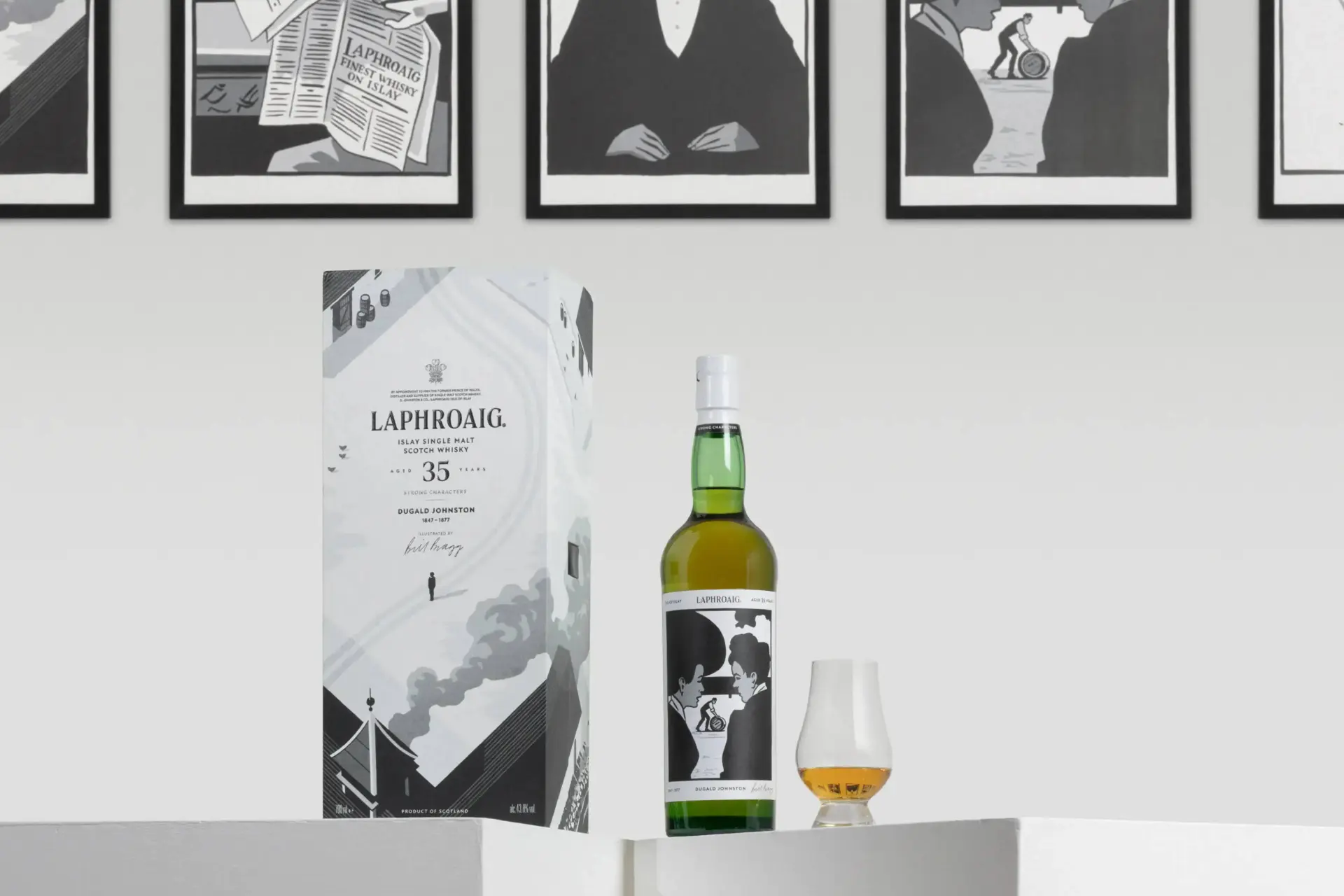
Bruichladdich, Port Charlotte and Octomore each have very distinct identities. How do you approach each of them differently?
It's
great to have both peated and unpeated single malts in our whisky portfolio.
For me, it’s a chance to showcase the various styles and depth of flavour
available in the whisky market and challenge myself as a whisky maker to master
these varying expressions.
With
Bruichladdich, I’m always looking to enhance our signature floral and fruity
style which works so beautifully with our unpeated spirit.
Port
Charlotte is such a versatile spirit. Like Bruichladdich, I’m looking to
capture our house-style and balance this with Port Charlotte’s unique barbeque
peat smoke. The spirit also takes to casks exceptionally well, so it’s great to
explore different wood types and flavour profiles.
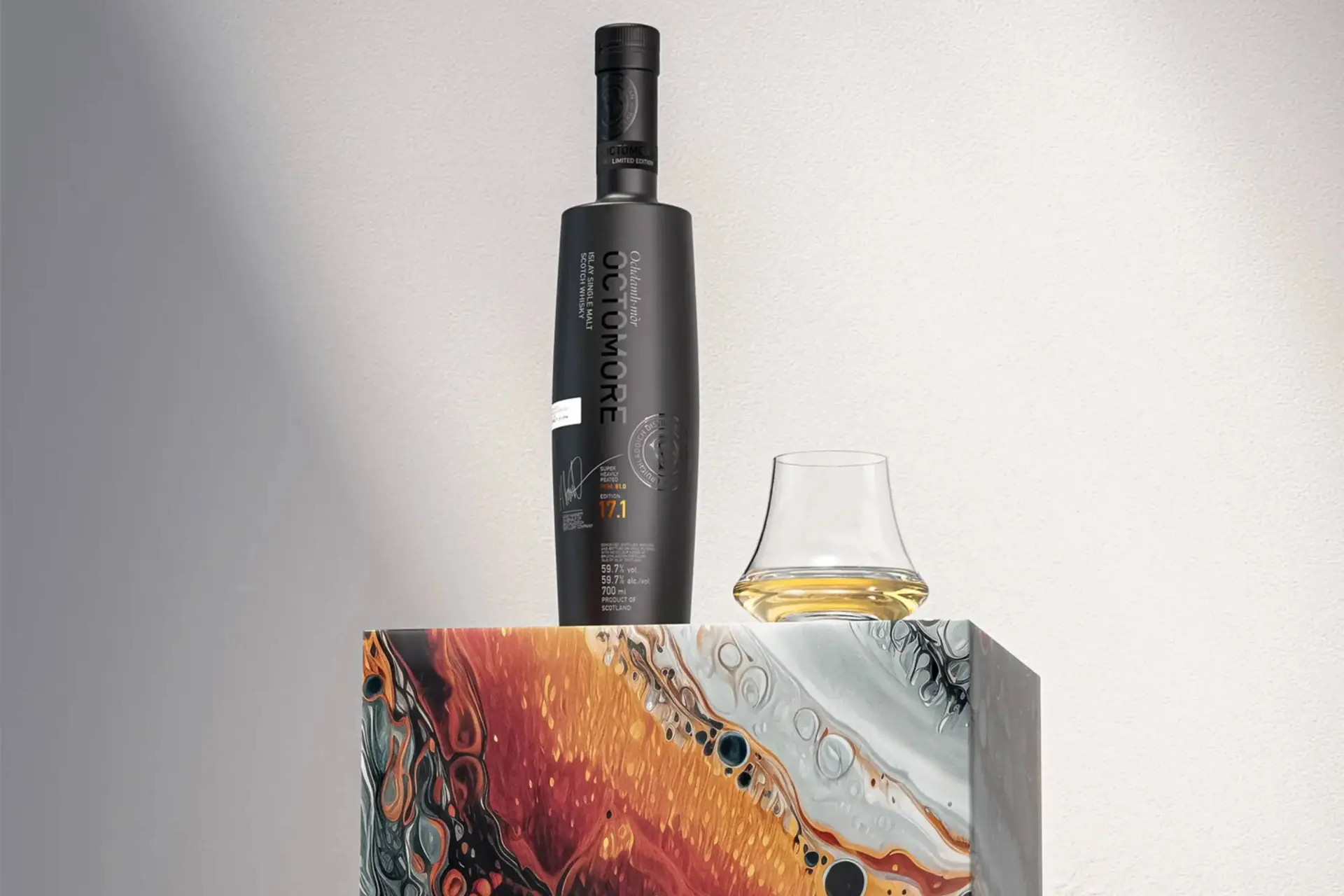
Octomore
is a welcome challenge year on year. The unique and precise balance of varying
peat levels, cask influence and barley provenance is a complex alchemy, and
pushes me as whisky maker.
Are there experiments currently sitting in the warehouses that you're particularly curious about?
Always! Experimentation is a key part of what we do here
at Bruichladdich, and there’s always something in the pipeline. Right now, we’re
experimenting with more grains and even looking at creative ways we can explore
the whisky-making process itself.
When you look ten years ahead, where would you like Bruichladdich to be?
As a whisky-maker, I’m leaving things for the next
generation – and I want to leave things better than I found them. I hope in ten
years Bruichladdich is still making incredible, interesting, flavour-forward Islay whiskies.
- What is your favourite whisky?
It’s almost impossible to choose – but I have a soft spot for Port Charlotte 10. - How many glasses of whisky do you drink per week?
Despite my job (and outwith sampling!) I’m not a huge whisky drinker. I love a dram on a Friday evening by the fire, a lovely way to ease into the weekend. And through the summer when the weather is good a Classic Laddie highball or two in the garden of an evening is something I have taken to very well. - What is your favourite bottle in your collection?
It changes all the time (based on whats open usually!) but the different quadruple distilled whiskies we have released over the years are favourites as the concept is just so different to anything else. - What is the most expensive whisky you’ve ever tasted?
I have been lucky enough to try some old an rare whiskies – some very old Bruichladdich’s would probably be the most expensive. However, I am left with an appreciation of the spirit and how special it is to taste something so old rather than a memory of the price tag, thankfully! - Which whisky-producing countries should we be watching?
I love what’s happening in the Nordics – it’s interesting to see how these single malts are shaped my extreme local climates and native grains. - Which whisky do you wish you had made yourself?
I think the great thing is that at Bruichladich we have the opportunity to make anything we want – we just have to figure out how to do it and when we will get time to do so! - What is the least favourite whisky you’ve ever tasted?
It wouldn't be polite to say. Knowing how much effort goes into creating whisky, even if its not to my taste – I appreciate someone has put a huge amount of effort in and that has to be applauded.
loading
POPULAR NEWS
Whisky Names Explained: Octomore
Bowmore Brings Back a Devilish Whisky After More Than 10 Years (and Two Old Casks Take Center Stage)
Glenfiddich, Ardbeg, and Jameson are joined by new names on the 2026 Best Whiskies list

This Japanese whisky is almost too beautiful to open
From Rat to Dragon and Goat: These Whisky Bottles Form a Remarkable Collection
Japanese Oak Lends a Distinctive Twist to This Belgian Whisky (Review)

Belgian distillery unveils Brussels’ first whisky, but you’ll need to act fast if you want one
This Highlander is Glenmorangies oldest whisky ever
5 Indian whiskies that taste like liquid gold
There’s a remarkable idea behind the name of this ultra-rare Macallan TIME: SPACE whisky
LATEST COMMENTS
- Thank you for the compliment. I really appreciate it.M0nkey31-08-2026
- I enjoyed reading the different approaches to building a whisky collection. Whether you collect by region, style, or limited releases, discovering new brands keeps the hobby interesting. Soorahi is another premium whisky worth considering for collectors looking to explore the evolving world of quality whiskies.dinesh04-08-2026
- There is no distillery equipment there and also no licences to produce or sell alcohol.TRC19-12-2025
- Hi Yvonne, Thank you for your response and for sharing the video. Unfortunately, the evidence you referred to consists only of two people talking about the whisky, without any explanation or identification. We have not spoken to the individuals in the video ourselves, nor can we verify who they are. We describe it as a Chinese whisky because it is released by a Chinese distillery. As you mentioned, the distillery has chosen to label the product as “pure malt” instead of “Chinese whisky.” Based on that, we do not believe they are doing anything illegal.M0nkey16-11-2025
- So - you have the proof......where's your write up?Yvonne16-11-2025
- You are absolutely right. Luckily that doesn't matter for the taste of the whisky. Have you tried it yet?M0nkey05-11-2025
- Guess what? Finland is not part of Scandinavia.Gray105-11-2025
- Throw in the towel? You mean restructure to compete and win in a challenging industry environment.WestwardFounder21-10-2025
- There is nothing legally to prevent the English whisky GI from coming into force, it complies with all the relevant laws and the single malt definition follows the precedent of Welsh whisky and US whiskyChefBear15-10-2025
- Three emails sent (two with videos, linked to a Google Drive Share). 1. The original video. 2. The video with subtitles as it was shared on YouTube 3. Screen grab of the YouTube channel where the video was blocked due to Pernod Ricard lobbying. The story was covered on Drinks Intel at the time - link here - https://drinks-intel.com/subscriber-news/pernod-ricards-the-chuan-pure-malt-whisky-not-sourced-solely-from-china-global-drinks-intel-exclusive/Yvonne10-10-2025
Loading