Never miss whisky news, reviews, and new releases again.
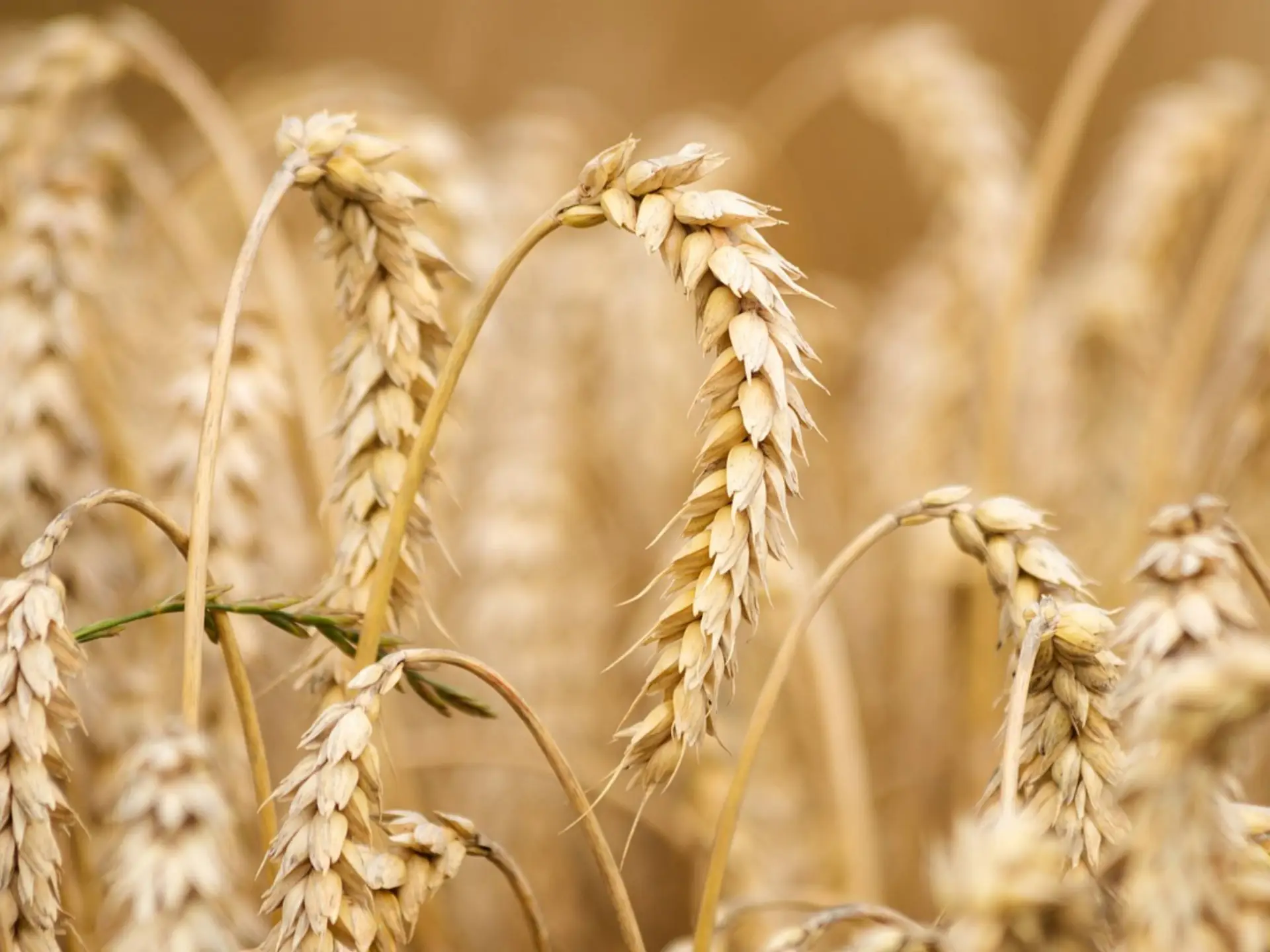
Add Whisky Monkeys as a Google favoriteBarley is a cornerstone ingredient in Scotch whisky, but did you know not all barley is sown at the same time of year? The distinction between spring barley and winter barley plays a key role in growing and yields for this essential grain.
In the world of barley cultivation for whisky, two main types dominate: spring barley and winter barley. But what sets them apart and why is one used for whisky while the other isn’t (as often)?
Spring barley
● Spring barley is typically sown from December through late April, depending on regional climate conditions.
● This variety produces fewer grains per year compared to winter barley: on average between 19 and 24 grains per ear.
● Yields for spring barley are about 20 percent lower than for winter barley, though this gap is less pronounced in the northern parts of Great Britain.
● Spring barley is more sensitive to frost, especially in Scotland, where it’s sown later due to cooler temperatures.
Notably, despite its lower yield, spring barley is the only barley permitted for making Scotch whisky.
Winter barley
● Unlike spring barley, winter barley is sown in autumn and overwinters in the field.
● Thanks to its longer growing period, winter barley generally delivers higher yields than spring barley.
● At present, no winter barley varieties are approved for distilling in the United Kingdom, underscoring the industry’s reliance on spring barley for whisky production.
- Do you know how to pronounce this whisky’s name?

Location matters
Most of the barley used for Scotch whisky is grown along the east coasts of Scotland and England. These regions offer ideal conditions for spring barley, with light sandy soils and lower rainfall.
While locally grown barley is preferred, the Scotch whisky industry also relies on imports from England, Europe, and even Canada to meet demand.
Understanding the differences between spring and winter barley sheds light on the complex agricultural practices behind Scotch whisky. From field to glass, every stage of barley cultivation shapes the layered, nuanced flavors cherished by whisky lovers around the world.



loading
POPULAR NEWS
Yamazaki’s New Japanese whisky reveals a surprising side of Spanish oak casks
Update -A famous whisky distillery has closed – now 20,600 bottles are up for grabs
These 5 Japanese Whiskies Have Been Crowned Liquid Gold (And You Won’t Know Every Name)
The Macallan Releases a 1987 Whisky-with a Twist in Its Maturation

From Amrut to Indri: These Indian Whiskies Are Turning Heads in 2026
Lagavulin 8 vs Lagavulin 16: Why the Younger Islay Single Malt Could Come Out on Top

Johnnie Walker Embraces K-Pop with a New Collaboration
Review: St. James's Blend: A remarkably delicious whisky accident
Johnnie Walker Red Label vs. Black Label: Is the More Expensive Whisky Really Better?

A 27-year-old whisky, a forgotten blend and just 1,092 bottles: what has SMWS created?
LATEST COMMENTS
- Thank you for the compliment. I really appreciate it.M0nkey31-08-2026
- I enjoyed reading the different approaches to building a whisky collection. Whether you collect by region, style, or limited releases, discovering new brands keeps the hobby interesting. Soorahi is another premium whisky worth considering for collectors looking to explore the evolving world of quality whiskies.dinesh04-08-2026
- There is no distillery equipment there and also no licences to produce or sell alcohol.TRC19-12-2025
- Hi Yvonne, Thank you for your response and for sharing the video. Unfortunately, the evidence you referred to consists only of two people talking about the whisky, without any explanation or identification. We have not spoken to the individuals in the video ourselves, nor can we verify who they are. We describe it as a Chinese whisky because it is released by a Chinese distillery. As you mentioned, the distillery has chosen to label the product as “pure malt” instead of “Chinese whisky.” Based on that, we do not believe they are doing anything illegal.M0nkey16-11-2025
- So - you have the proof......where's your write up?Yvonne16-11-2025
- You are absolutely right. Luckily that doesn't matter for the taste of the whisky. Have you tried it yet?M0nkey05-11-2025
- Guess what? Finland is not part of Scandinavia.Gray105-11-2025
- Throw in the towel? You mean restructure to compete and win in a challenging industry environment.WestwardFounder21-10-2025
- There is nothing legally to prevent the English whisky GI from coming into force, it complies with all the relevant laws and the single malt definition follows the precedent of Welsh whisky and US whiskyChefBear15-10-2025
- Three emails sent (two with videos, linked to a Google Drive Share). 1. The original video. 2. The video with subtitles as it was shared on YouTube 3. Screen grab of the YouTube channel where the video was blocked due to Pernod Ricard lobbying. The story was covered on Drinks Intel at the time - link here - https://drinks-intel.com/subscriber-news/pernod-ricards-the-chuan-pure-malt-whisky-not-sourced-solely-from-china-global-drinks-intel-exclusive/Yvonne10-10-2025