
Never miss whisky news, reviews, and new releases again.
Add Whisky Monkeys as a Google favoriteWhen you look at whisky labels, alongside Single Malt and Blended Malt you’ll sometimes see the terms Pure Malt or Vatted Malt. Names that can raise a few questions. We dug into what they mean in this How to Whisky.
Pure malt, or Vatted Malt, sounds like a term that promises something pristine and special. The word “pure” suggests a single, untainted source, but the reality is a bit more nuanced.
In principle, Pure Malt does come from a single source, just like Single Malt. The difference lies in what “source” means for each term.
So what exactly is Pure Malt?
According to whisky regulations, the Scotch Whisky Association is clear: Single Malt whisky is always distilled from malted barley and comes from one distillery.
Pure Malt sits close to those rules. It’s still a whisky made solely from malted barley. The nuance is that it doesn’t come exclusively from a single distillery.
So it’s always a composition, even if the name suggests something unblended. Sound familiar? It might.
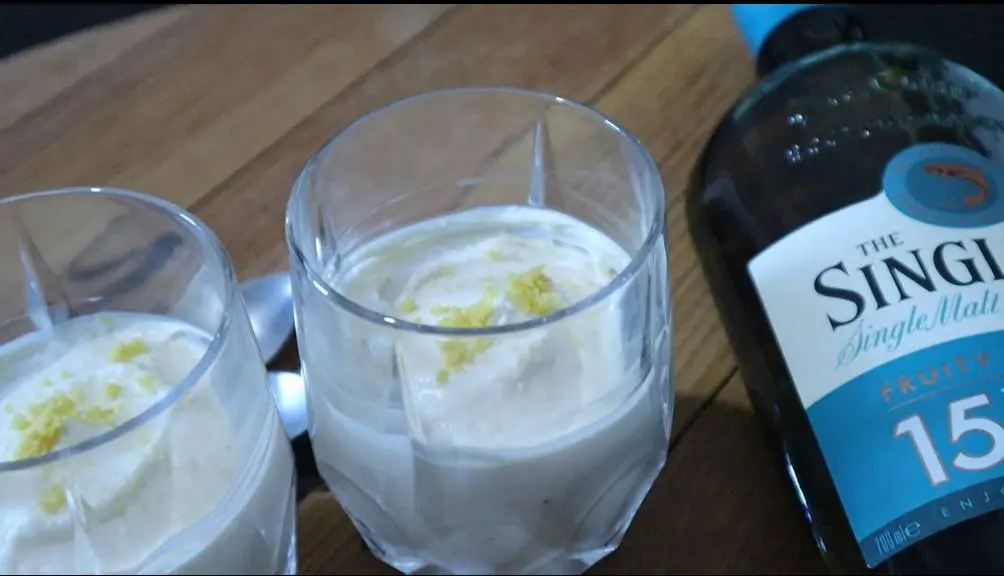
No longer an official category
For a long time, Pure Malt was the unofficial term for Blended Malt whisky. Another term you might encounter instead of Pure Malt is Vatted Malt, which means the same thing.
That label is older than Pure Malt and refers to the process of marrying these whiskies in large vats. In practice, “vatted malt” was often used by aficionados, while “pure malt” caught on more with consumers.
Despite its historical value, “vatted malt” no longer appears on official Scotch labels today. It’s a catch-all term enthusiasts mostly encounter when exploring older bottlings or the history of whisky blending techniques.
The official term since 2009: blended malt
Growing confusion between pure malt, vatted malt, and single malt pushed the Scotch Whisky Association to provide clarity. In 2009 they established that only one term may be used officially: blended malt. Whisky made from malt whiskies sourced from more than one distillery has, since then, automatically fallen into this category. Blended malt always contains only malt whisky no grain whisky.
That decision put an end to decades of terminological chaos. From that moment on, the rule of thumb has been:
Vatted malt is pure malt, and both are blended malt: with blended malt being the only official term.


loading
POPULAR NEWS
Yamazaki’s New Japanese whisky reveals a surprising side of Spanish oak casks
Update -A famous whisky distillery has closed – now 20,600 bottles are up for grabs
These 5 Japanese Whiskies Have Been Crowned Liquid Gold (And You Won’t Know Every Name)
From Amrut to Indri: These Indian Whiskies Are Turning Heads in 2026

Scotland Fears for the Future of Single Malt Whisky: Here’s Why

Johnnie Walker Embraces K-Pop with a New Collaboration
The Macallan Releases a 1987 Whisky-with a Twist in Its Maturation
Lagavulin 8 vs Lagavulin 16: Why the Younger Islay Single Malt Could Come Out on Top
Review: St. James's Blend: A remarkably delicious whisky accident
Johnnie Walker Red Label vs. Black Label: Is the More Expensive Whisky Really Better?
LATEST COMMENTS
- Thank you for the compliment. I really appreciate it.M0nkey31-08-2026
- I enjoyed reading the different approaches to building a whisky collection. Whether you collect by region, style, or limited releases, discovering new brands keeps the hobby interesting. Soorahi is another premium whisky worth considering for collectors looking to explore the evolving world of quality whiskies.dinesh04-08-2026
- There is no distillery equipment there and also no licences to produce or sell alcohol.TRC19-12-2025
- Hi Yvonne, Thank you for your response and for sharing the video. Unfortunately, the evidence you referred to consists only of two people talking about the whisky, without any explanation or identification. We have not spoken to the individuals in the video ourselves, nor can we verify who they are. We describe it as a Chinese whisky because it is released by a Chinese distillery. As you mentioned, the distillery has chosen to label the product as “pure malt” instead of “Chinese whisky.” Based on that, we do not believe they are doing anything illegal.M0nkey16-11-2025
- So - you have the proof......where's your write up?Yvonne16-11-2025
- You are absolutely right. Luckily that doesn't matter for the taste of the whisky. Have you tried it yet?M0nkey05-11-2025
- Guess what? Finland is not part of Scandinavia.Gray105-11-2025
- Throw in the towel? You mean restructure to compete and win in a challenging industry environment.WestwardFounder21-10-2025
- There is nothing legally to prevent the English whisky GI from coming into force, it complies with all the relevant laws and the single malt definition follows the precedent of Welsh whisky and US whiskyChefBear15-10-2025
- Three emails sent (two with videos, linked to a Google Drive Share). 1. The original video. 2. The video with subtitles as it was shared on YouTube 3. Screen grab of the YouTube channel where the video was blocked due to Pernod Ricard lobbying. The story was covered on Drinks Intel at the time - link here - https://drinks-intel.com/subscriber-news/pernod-ricards-the-chuan-pure-malt-whisky-not-sourced-solely-from-china-global-drinks-intel-exclusive/Yvonne10-10-2025