Scotch whiskymaker are furious about the new English whisky status: this is the problem
NewsThursday, 17 September 2026 at 12:13
Never miss whisky news, reviews, and new releases again.
Add Whisky Monkeys as a Google favoriteEnglish whisky has officially been granted protected status, but not everyone is raising a glass to celebrate. Strong criticism is coming especially from Scotland, where serious concerns are being voiced. The Scotch Whisky Association (SWA) fears the new rules for English Whisky could dilute the meaning and reputation of single malt whisky.
The UK government has approved the application for a Protected Geographical Indication, or Geographical Indication (GI), for English Whisky. The protection will formally take effect on 1 October 2026. This gives English whisky its own legally protected status, alongside Scotch Whisky and Single Malt Welsh Whisky.
Rules around single malt are causing problems
For the Scots, the sticking point isn’t that English whisky is protected. It’s the rules England has set—sparking a heated debate ever since the application.
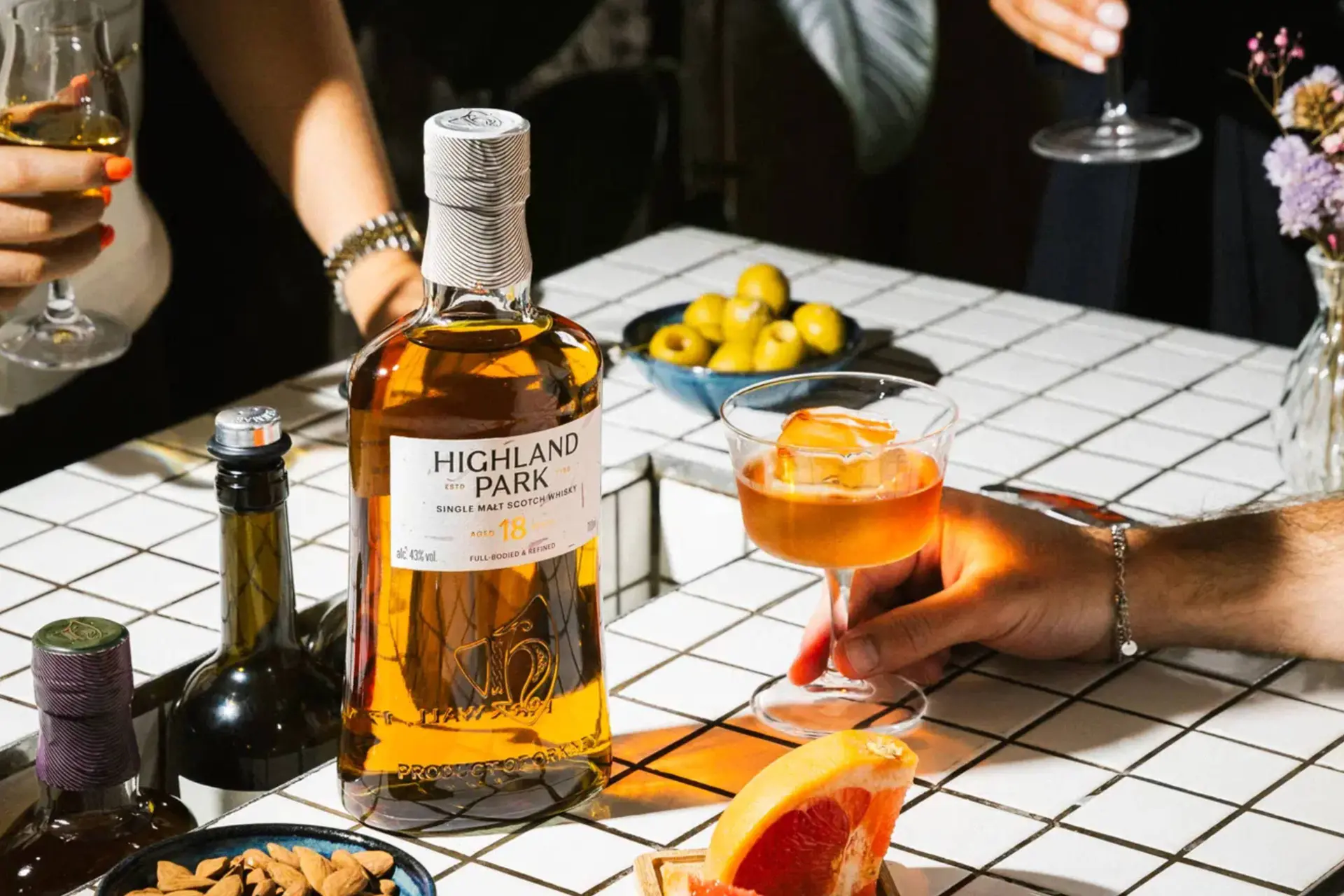
Single Malt Scotch Whisky is held to strict standards. Mashing, fermentation, and distillation must all take place at the same Scottish distillery. The English version doesn’t require everything to happen on a single site. The Scotch Whisky Association has warned that this diverges from the established reputation of single malt whisky.
The SWA fears consumers will soon encounter different production methods all sold under the single malt banner. According to the trade body, that could ultimately affect Scotch’s reputation as well.
There are also differences in maturation. Under the new rules, English whisky may mature in wooden casks, while Scotch Whisky must be matured specifically in oak casks. The lack of an oak-only requirement is seen by the Scots as a serious misstep.
Read also

England’s whisky scene sees it differently
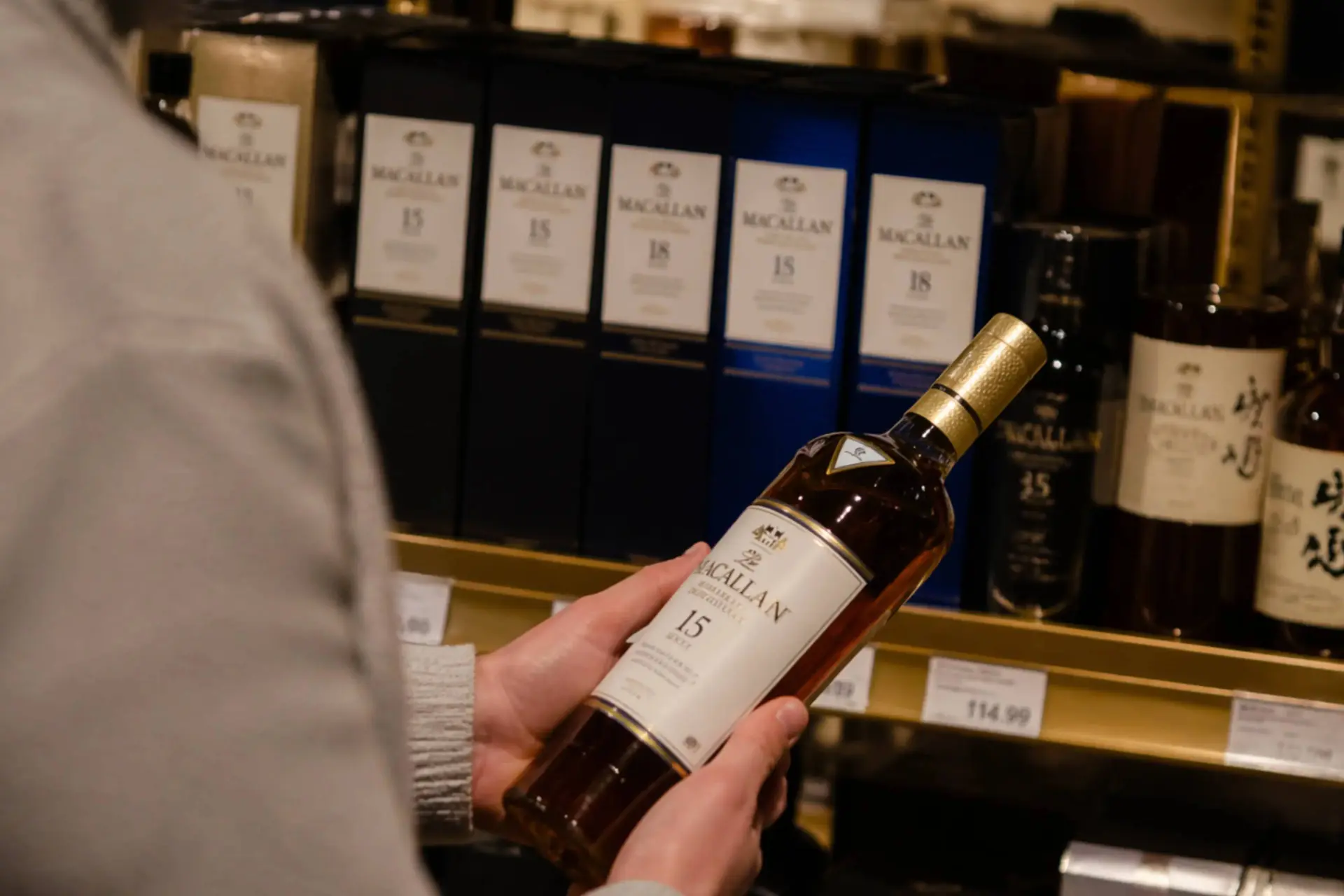
Scotch Whisky is currently one of the UK’s most important exports. In 2025, over £5 billion worth of Scotch was shipped abroad. A surging English Whisky category could take a sizeable bite out of that. This is a major part of what worries the Scots right now.
Across the border, the mood is very different. The English Whisky Guild represents a sector that has grown rapidly in recent years. There are now more than 70 distilleries producing English whisky—up from 46 in 2023.
According to the English whisky sector, the new rules mostly formalize how whisky has been made in England for years. The protected status is meant to stop whisky produced outside England from being marketed as English Whisky. Among other requirements, producers must use British-grown grain and English water, distill in England, and mature the whisky for at least three years.
The English whisky world therefore sees GI status primarily as recognition of a maturing industry. In Scotland, the very same rules are being viewed through a very different lens.
| Whisky Deals from Whisky Exchange | Week 38 |
| Adbeg 2001 20 Year Old The Whisky Show 2021 | 300 |
| Ben Nevis 10 Year Old Dawn Davies Te Whisky Show 2024 | 46,95 |
| Blair Athol 16 Year Old The Seasons Winter | 84,95 |
| Ben Nevis 2019 6 Year Old Caoineag The Weeping Spirit | 49,95 |
| Muteman Rye Whiskey | 33,95 |
FAQ
- When does English Whisky officially gain protected status?
The protection begins on 1 October 2026. From that date, English Whisky will be officially protected as a geographical indication. - Why is the Scotch Whisky Association opposed to the new rules?
The organization mainly objects to the definition of English Single Malt Whisky. For Scotch, processes such as mashing, fermentation, and distillation must all occur at the same distillery. English Single Malt follows different requirements. - How large is the English whisky sector?
England now has more than 70 distilleries producing whisky, up from 46 in 2023.
loading
POPULAR NEWS
Next year’s exclusive Johnnie Walker whisky is already on sale
The 10 whisky brands connoisseurs admire most

Bowmore's new whisky tastes like charred mango, says the distillery
The best whiskies from all of Speyside: these are the ones to pour this year
You’ll never drink whisky the same way after trying these chocolate pairings
Scottish community distillery sounds the alarm as whisky industry downturn bites
A brand new Ardbeg is coming and the current whiskies are getting a new look
UK government shuts down whisky company over the sale of non-existent casks
Indian ban forces sudden recipe change for a popular Diageo whisky

Laphroaig honors its savior with an extraordinarily old and rare whisky
LATEST COMMENTS
- Thank you for the compliment. I really appreciate it.M0nkey31-08-2026
- I enjoyed reading the different approaches to building a whisky collection. Whether you collect by region, style, or limited releases, discovering new brands keeps the hobby interesting. Soorahi is another premium whisky worth considering for collectors looking to explore the evolving world of quality whiskies.dinesh04-08-2026
- There is no distillery equipment there and also no licences to produce or sell alcohol.TRC19-12-2025
- Hi Yvonne, Thank you for your response and for sharing the video. Unfortunately, the evidence you referred to consists only of two people talking about the whisky, without any explanation or identification. We have not spoken to the individuals in the video ourselves, nor can we verify who they are. We describe it as a Chinese whisky because it is released by a Chinese distillery. As you mentioned, the distillery has chosen to label the product as “pure malt” instead of “Chinese whisky.” Based on that, we do not believe they are doing anything illegal.M0nkey16-11-2025
- So - you have the proof......where's your write up?Yvonne16-11-2025
- You are absolutely right. Luckily that doesn't matter for the taste of the whisky. Have you tried it yet?M0nkey05-11-2025
- Guess what? Finland is not part of Scandinavia.Gray105-11-2025
- Throw in the towel? You mean restructure to compete and win in a challenging industry environment.WestwardFounder21-10-2025
- There is nothing legally to prevent the English whisky GI from coming into force, it complies with all the relevant laws and the single malt definition follows the precedent of Welsh whisky and US whiskyChefBear15-10-2025
- Three emails sent (two with videos, linked to a Google Drive Share). 1. The original video. 2. The video with subtitles as it was shared on YouTube 3. Screen grab of the YouTube channel where the video was blocked due to Pernod Ricard lobbying. The story was covered on Drinks Intel at the time - link here - https://drinks-intel.com/subscriber-news/pernod-ricards-the-chuan-pure-malt-whisky-not-sourced-solely-from-china-global-drinks-intel-exclusive/Yvonne10-10-2025
Loading