This Scottish Distillery Spent Decades in the Shadows, Then Everything Changed
SectionsThursday, 17 September 2026 at 15:03
Never miss whisky news, reviews, and new releases again.
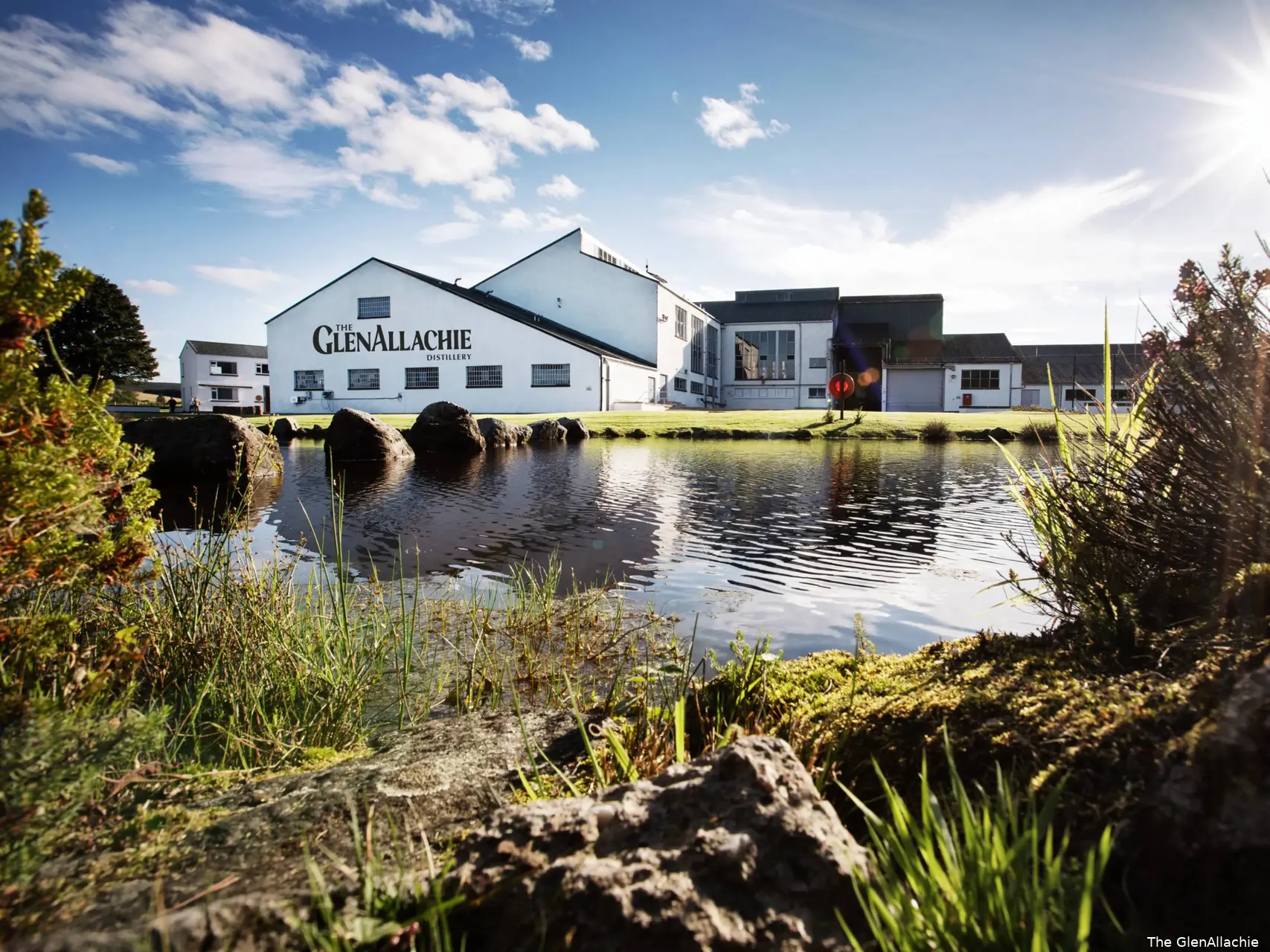
Add Whisky Monkeys as a Google favoriteSome well-known Scottish distilleries have been around for centuries. Others have only existed for a fraction of that time, yet boast a reputation that commands respect. One of those whisky makers is The GlenAllachie. Join us as we delve into the past of this relatively young distillery.
For The GlenAllachie story, we don’t have to travel far back in time. We head to the foot of Ben Rinnes, near Aberlour in Scotland’s Speyside. There, in 1967, right in the middle of the whisky boom: the foundation stone was laid for a brand-new distillery: The Glenallachie (with a lowercase “a,” at the time).
It would be a new distillery for Mackinlay McPherson & Co, part of Scottish & Newcastle Breweries. The company urgently needed extra nectar of the gods, as the stuff was flying off the shelves in those days.
Read also
A flying start
Architect William Delmé-Evans was commissioned to design both the buildings and the production concept for the distillery, something he had ample experience with. He had previously designed Jura and Tullibardine.
Delmé-Evans set out to create an efficient distillery. Gravity would be the main driving force on site, alongside water and fire. This forward-thinking approach made the distillery ahead of its time, enabling energy-efficient distillation when the first spirit flowed from the stills in 1968.
Demand for The Glenallachie’s spirit was immense. Capacity quickly proved too low, prompting swift action. In no time the distillery was expanded with additional stills to ramp up production, moving from two stills to four.

From whisky boom to whisky loch
Then the market suddenly shifted, and what had been a whisky boom turned into a whisky loch. The global economic downturn hit whisky hard and The Glenallachie along with it.
Mackinlay McPherson was absorbed by Invergordon Distillers, and the new owner promptly decided to switch off The Glenallachie’s stills. The lights stayed on for two more years, but after that The Glenallachie was officially mothballed.

Out of sight, yet still at work
In 1989 Campbell Distillers stepped in and took over the site. The dust was cleared away and production resumed, though the distillery remained largely invisible to the public. Most of the whisky made there disappeared into blends, aside from the occasional spontaneous single malt release.
Production at the distillery remained traditional and craft-driven, with water from the Ben Rinnes dams playing a vital role. The distillery also maintained a fermentation time of around 160 hours, quite long by any standard.
The Glenallachie kept working in the shadows until the next takeover changed everything. In 2017, Trisha Savage and Graham Stevenson arrived with Billy Walker. They acquired the distillery and chose a new course.
With the acquisition of The GlenAllachie, Walker gained something most whisky makers only dream of: the distillery’s entire history, resting in liquid form in the warehouses. Those warehouses held casks dating back to the 1970s.

A subtle change
Walker introduced a new brand identity, with a subtle change to the name. He shifted The Glenallachie to The GlenAllachie. As for the distillation process, much at The GlenAllachie stayed the same. The clear, soft water flowing from Ben Rinnes is still used, and the malted barley is still milled by the 1967 Porteus mill.
The 16-hour fermentation that yields a fruity, ester-rich spirit also remains. Even so, not everything stayed unchanged, Walker implemented a number of thoughtful refinements.

An eye for casks
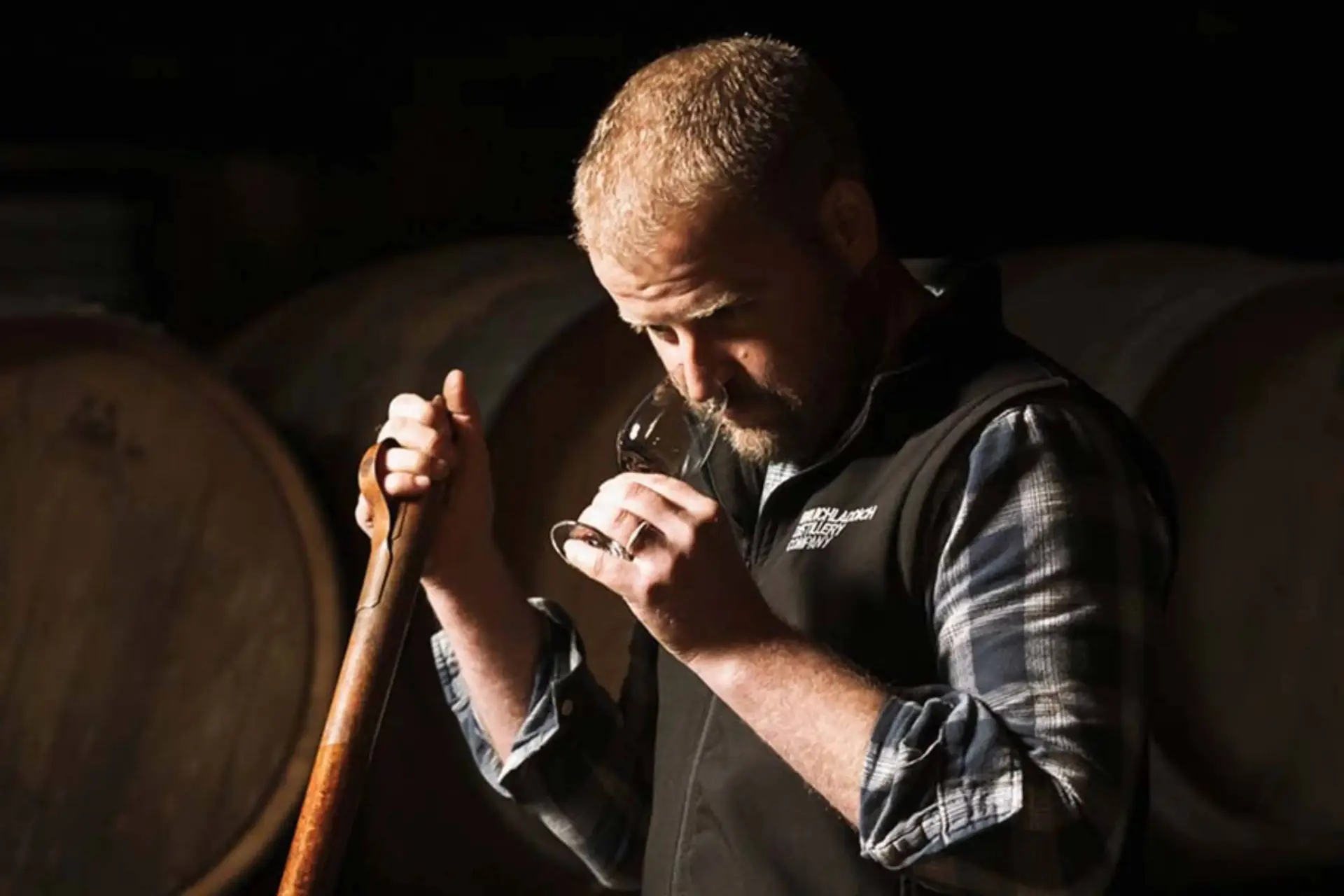
Walker is renowned for his eye for cask quality, a skill he immediately put to use at The GlenAllachie. He began by analyzing the maturing whisky and the influence of wood on the spirit.
He frequently reracks whisky into different casks and with good reason. In doing so, Walker consistently crafts balanced, multi-layered profiles for his whiskies.
In July 2018 the distillery unveiled a new core range featuring 10-, 12-, 18-, and 25-year-old single malts. A 15-year-old and a 30-year-old edition later joined the line-up. It was an immediately impressive showing for a distillery that had previously focused mainly on blend stock.

Walker enters the Whisky Hall of Fame
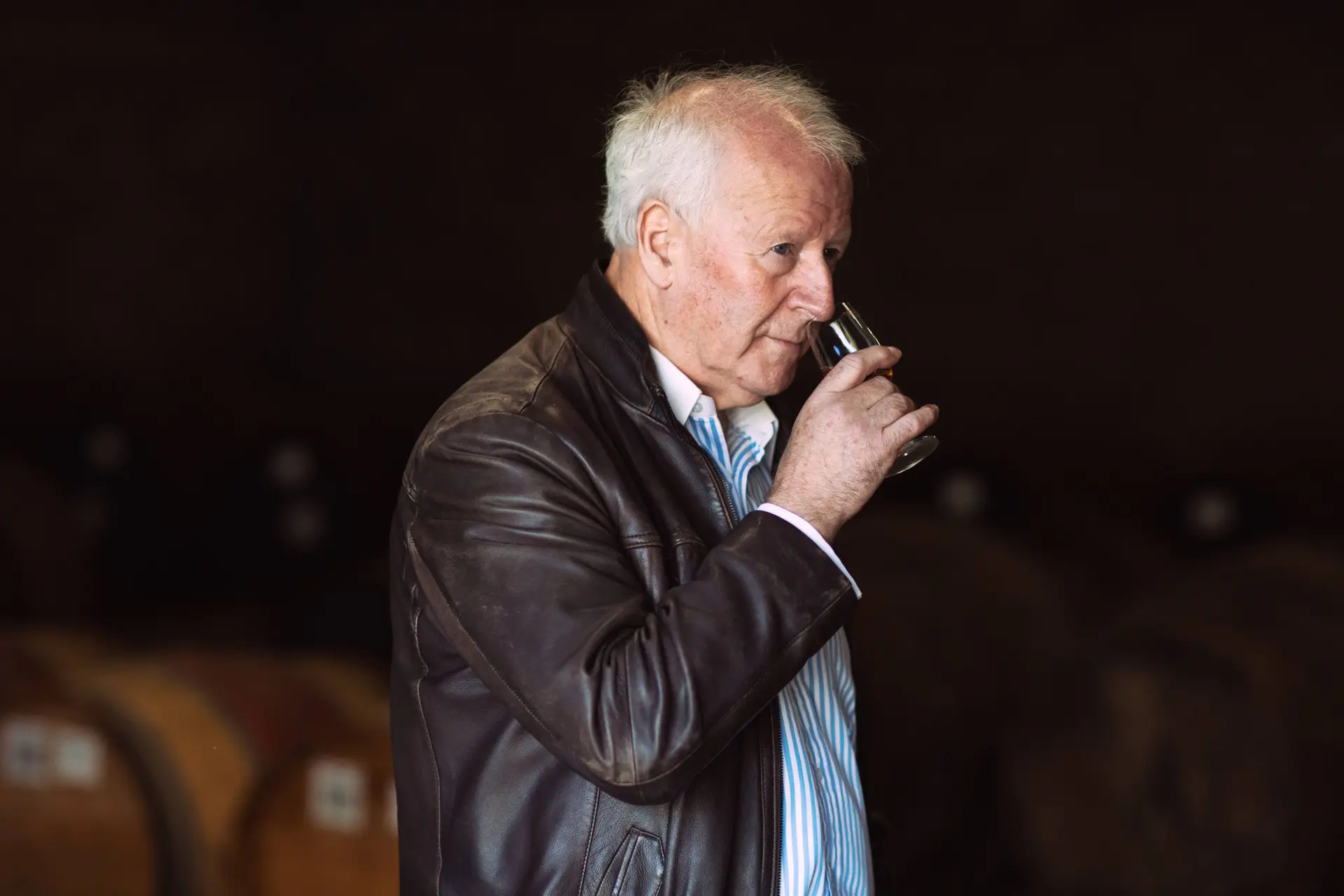
As the distillery settled into its new direction, its reputation soared. The GlenAllachie became one of Scotland’s most standout independent distilleries.
The long fermentation, traditional production methods, meticulous distillation, and above all the driven wood policy are attracting attention worldwide. Walker’s influence extends far beyond the distillery and his earlier projects he’s now making waves across the entire industry.
In 2021, he is inducted into the Whisky Hall of Fame.
| Whisky Deals from Whisky Exchange | Week 38 |
| Adbeg 2001 20 Year Old The Whisky Show 2021 | 300 |
| Ben Nevis 10 Year Old Dawn Davies Te Whisky Show 2024 | 46,95 |
| Blair Athol 16 Year Old The Seasons Winter | 84,95 |
| Ben Nevis 2019 6 Year Old Caoineag The Weeping Spirit | 49,95 |
| Muteman Rye Whiskey | 33,95 |
Peated Speyside whisky
In 2023, The GlenAllachie unveils the fruits of a new venture: a peated whisky from The GlenAllachie distillery. The whisky goes by the name Meikle Tòir, Gaelic for “great mission” or “grand quest.”
The whisky is crafted with malt peated using St. Fergus peat, lending a floral, sweet smoke. Combined with the distillery’s long fermentation, Walker delivers a strikingly well-balanced whisky, even with the use of peat.
Smoke dances in and out alongside fruity and floral notes, complemented by the distillery’s signature honeyed character.
While whisky lovers are spoiled with this brand-new discovery, the distillery is hard at work on further innovations.

Upgrades for visitors
The visitor centre is getting an overhaul, including a whisky bar, a brand-new lounge, and an outdoor terrace. Tours and tastings were already available, but after the renovation there will be plenty of new experiences to discover.
The distillery did give up a workshop to make room, but now a hundred guests can enjoy a range of tastings without joining a tour. In summer, the outdoor area offers a delightful spot to savour a dram while gazing out at Ben Rinnes.

A revolution in the whisky world
Innovation isn’t limited to the visitor centre. With a sustainability grant, the distillery is quietly staging a revolution.
The GlenAllachie is building a Mechanical Vapour Recompression system. A bit of a mouthful, but in short it’s a way to distil even more efficiently by using steam and vapour. It delivers energy savings of over 90%.
The system will be unveiled in 2025, together with the announcement that The GlenAllachie will no longer need gas. The new setup, combined with solar panels, will keep the distillery running.
Visit the iconic distillery
The GlenAllachie has gone from a quiet contributor to blends to a distillery that’s impossible to ignore. If you ever find yourself in Speyside, this young yet iconic distillery is well worth a visit.
For more information about The GlenAllachie whisky and available tours, you can visit the distillery’s website.
loading
POPULAR NEWS

Next year’s exclusive Johnnie Walker whisky is already on sale
The 10 whisky brands connoisseurs admire most
Bowmore's new whisky tastes like charred mango, says the distillery
The best whiskies from all of Speyside: these are the ones to pour this year
You’ll never drink whisky the same way after trying these chocolate pairings
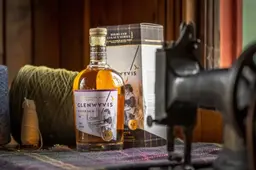
Scottish community distillery sounds the alarm as whisky industry downturn bites
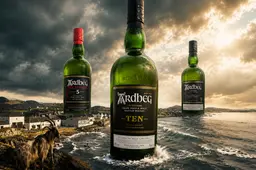
A brand new Ardbeg is coming and the current whiskies are getting a new look
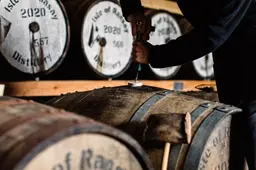
UK government shuts down whisky company over the sale of non-existent casks
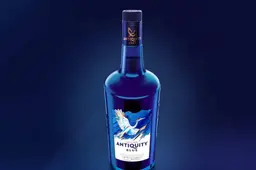
Indian ban forces sudden recipe change for a popular Diageo whisky
Laphroaig honors its savior with an extraordinarily old and rare whisky
LATEST COMMENTS
- Thank you for the compliment. I really appreciate it.M0nkey31-08-2026
- I enjoyed reading the different approaches to building a whisky collection. Whether you collect by region, style, or limited releases, discovering new brands keeps the hobby interesting. Soorahi is another premium whisky worth considering for collectors looking to explore the evolving world of quality whiskies.dinesh04-08-2026
- There is no distillery equipment there and also no licences to produce or sell alcohol.TRC19-12-2025
- Hi Yvonne, Thank you for your response and for sharing the video. Unfortunately, the evidence you referred to consists only of two people talking about the whisky, without any explanation or identification. We have not spoken to the individuals in the video ourselves, nor can we verify who they are. We describe it as a Chinese whisky because it is released by a Chinese distillery. As you mentioned, the distillery has chosen to label the product as “pure malt” instead of “Chinese whisky.” Based on that, we do not believe they are doing anything illegal.M0nkey16-11-2025
- So - you have the proof......where's your write up?Yvonne16-11-2025
- You are absolutely right. Luckily that doesn't matter for the taste of the whisky. Have you tried it yet?M0nkey05-11-2025
- Guess what? Finland is not part of Scandinavia.Gray105-11-2025
- Throw in the towel? You mean restructure to compete and win in a challenging industry environment.WestwardFounder21-10-2025
- There is nothing legally to prevent the English whisky GI from coming into force, it complies with all the relevant laws and the single malt definition follows the precedent of Welsh whisky and US whiskyChefBear15-10-2025
- Three emails sent (two with videos, linked to a Google Drive Share). 1. The original video. 2. The video with subtitles as it was shared on YouTube 3. Screen grab of the YouTube channel where the video was blocked due to Pernod Ricard lobbying. The story was covered on Drinks Intel at the time - link here - https://drinks-intel.com/subscriber-news/pernod-ricards-the-chuan-pure-malt-whisky-not-sourced-solely-from-china-global-drinks-intel-exclusive/Yvonne10-10-2025
Loading