Never miss whisky news, reviews, and new releases again.
Add Whisky Monkeys as a Google favoriteAnyone who has tasted an old sherry whisky from the seventies or eighties knows some of those whiskies can be markedly different from modern bottlings. Dark, syrupy, rich with raisins, caramel, and dried fruit.
That character is often credited entirely to magnificent old sherry casks. But there was sometimes something else at play too—a concoction called paxarette. It wasn’t simply poured into the whisky, but it came very close.
What is paxarette and how does it affect the taste of whisky?
Paxarette, also known as pajarete, hails from southern Spain. It was a very sweet, wine-like liquid made in part from concentrated grape must and fortified wine.
Think of something dark and intense in flavor—raisins, burnt sugar, treacle, and caramelized fruit. That’s exactly the kind of profile fans of heavily sherried whisky are unlikely to object to. Scottish whisky producers figured this out long ago and leaned heavily on these casks.
How did paxarette end up in the whisky world?
In the nineteenth and twentieth centuries, sherry casks were vitally important to the Scotch whisky industry. Producers discovered that whisky matured in these casks took on an appealing dark color and a rich, layered flavor.
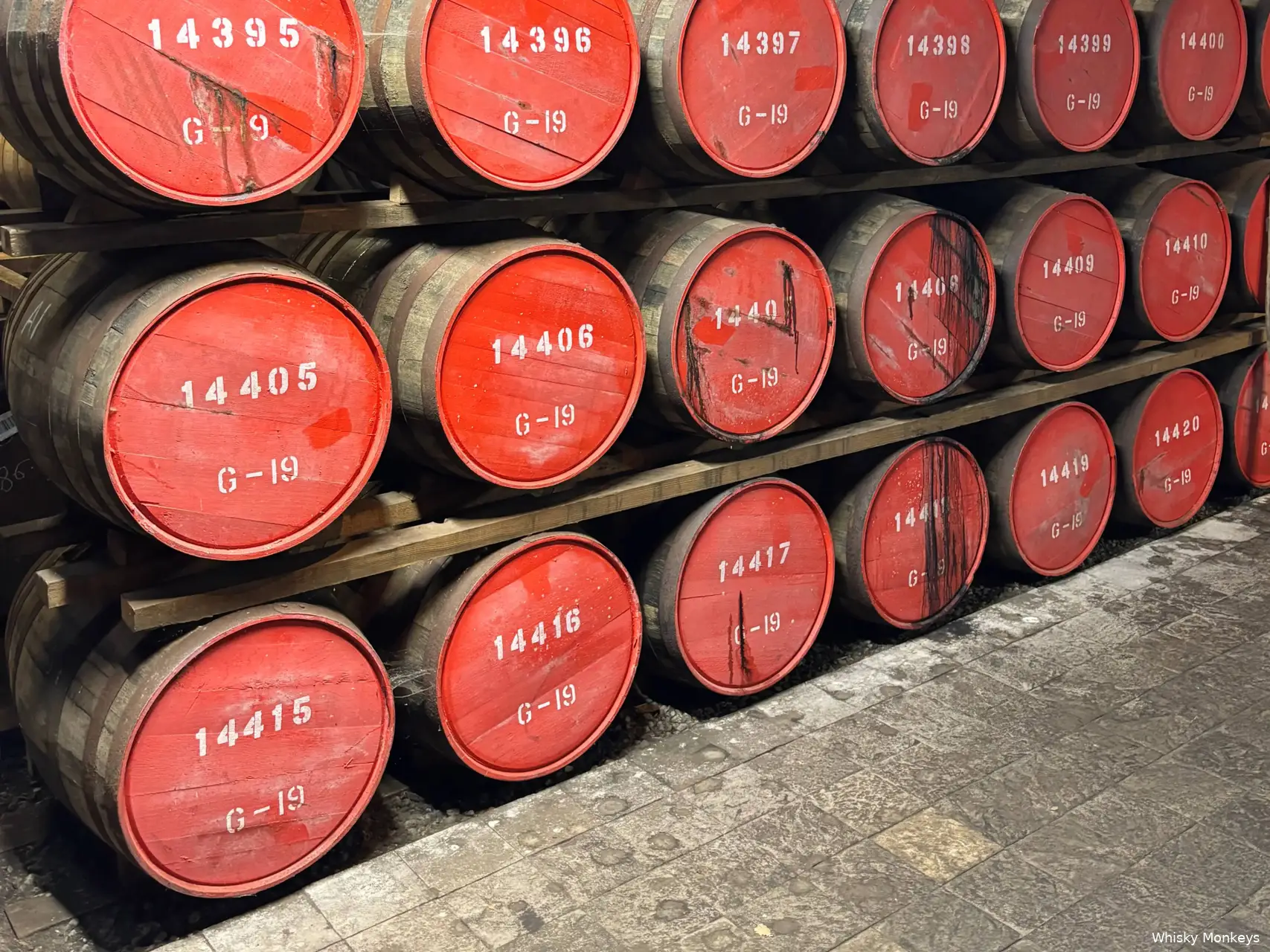
But there was a problem. Good sherry casks weren’t available in unlimited supply, and older casks lost more of their influence with each fill. Instead of retiring such a cask, producers found a solution: give it a serious boost with paxarette. And the treatment was quite involved.
A small amount of paxarette was added to a used cask. The cask could then be pressurized, forcing the liquid into the wood. Industry technical notes mention roughly half a liter per hogshead and about a liter per butt, followed by a short period under pressure.
After that, whisky could go back in. In effect, a tired sherry cask was given a second lease on life.
| New whiskies at Whisky Exchange | |
| Highland Park 17 Year Old Between You and I | 116 pounds |
| The Glenturret Remanence | 88,95 pounds |
| Compass Box This is a 20-year old whisky | 63,95 pounds |
Did old sherry whisky taste different because of this?
Paxarette was used on a large scale for many years. As a result, it’s very possible that part of the hallmark character we now associate with old sherry whisky didn’t come solely from the cask itself. The stuff in the casks may well have played a role too.
Whisky historian and journalist Dave Broom even wrote that virtually every distillery or bottler used to keep a supply of paxarette on hand. When an empty sherry cask seemed to offer too little color or character, it could be treated again. There are even stories of people visiting distilleries around Christmas to pick up paxarette for their Christmas puddings.
At the end of the 1980s, the rules around Scotch whisky changed. The treatment came to be viewed as a way of adding extra flavor to whisky. That meant paxarette no longer fit within the regulations for Scotch whisky, and the technique disappeared from Scottish production.
Paxarette never completely vanished
Here’s where the story takes a fun turn. Paxarette is largely gone from Scotland, but not from the rest of the world. Producers outside Scotland are once again experimenting with techniques that closely resemble the old paxarette treatment. The reason is essentially the same as a century ago: good sherry casks are expensive and scarce.
Discover more tidbits in this Did you know hub.
FAQ
- What is paxarette?
Paxarette, also known as pajarete, is a very sweet, wine-like liquid from southern Spain. It has intense flavors including raisins, treacle, burnt sugar, and caramelized fruit. - Why was paxarette used in whisky?
Scottish whisky producers used paxarette to revive old, less active sherry casks. The liquid was forced into the wood so the cask could once again impart more color and flavor to the whisky. - Why isn’t paxarette used for Scotch whisky anymore?
At the end of the 1980s, the rules changed. Treating casks with paxarette was deemed a way of adding extra flavor to whisky, which no longer fit within Scotch whisky regulations.
loading
POPULAR NEWS
Next year’s exclusive Johnnie Walker whisky is already on sale
You’ll never drink whisky the same way after trying these chocolate pairings
Whisky Names Explained: Octomore
This rare whisky combines Belgian spirit with Japanese craftsmanship
Breaking: English whisky wins historic protection
Ardbeg ends popular whiskyseries with one more bottle

Behind the name of Ardbeg’s newest release lies a forgotten corner of Islay
World famous Dutch whisky pioneer celebrates 50 years with a mythological whisky series
The hidden numbers on your whisky bottle reveal more than you think

Whisky gets its own Oktoberfest moment with this special day
LATEST COMMENTS
- Thank you for the compliment. I really appreciate it.M0nkey31-08-2026
- I enjoyed reading the different approaches to building a whisky collection. Whether you collect by region, style, or limited releases, discovering new brands keeps the hobby interesting. Soorahi is another premium whisky worth considering for collectors looking to explore the evolving world of quality whiskies.dinesh04-08-2026
- There is no distillery equipment there and also no licences to produce or sell alcohol.TRC19-12-2025
- Hi Yvonne, Thank you for your response and for sharing the video. Unfortunately, the evidence you referred to consists only of two people talking about the whisky, without any explanation or identification. We have not spoken to the individuals in the video ourselves, nor can we verify who they are. We describe it as a Chinese whisky because it is released by a Chinese distillery. As you mentioned, the distillery has chosen to label the product as “pure malt” instead of “Chinese whisky.” Based on that, we do not believe they are doing anything illegal.M0nkey16-11-2025
- So - you have the proof......where's your write up?Yvonne16-11-2025
- You are absolutely right. Luckily that doesn't matter for the taste of the whisky. Have you tried it yet?M0nkey05-11-2025
- Guess what? Finland is not part of Scandinavia.Gray105-11-2025
- Throw in the towel? You mean restructure to compete and win in a challenging industry environment.WestwardFounder21-10-2025
- There is nothing legally to prevent the English whisky GI from coming into force, it complies with all the relevant laws and the single malt definition follows the precedent of Welsh whisky and US whiskyChefBear15-10-2025
- Three emails sent (two with videos, linked to a Google Drive Share). 1. The original video. 2. The video with subtitles as it was shared on YouTube 3. Screen grab of the YouTube channel where the video was blocked due to Pernod Ricard lobbying. The story was covered on Drinks Intel at the time - link here - https://drinks-intel.com/subscriber-news/pernod-ricards-the-chuan-pure-malt-whisky-not-sourced-solely-from-china-global-drinks-intel-exclusive/Yvonne10-10-2025
Loading