Never miss whisky news, reviews, and new releases again.
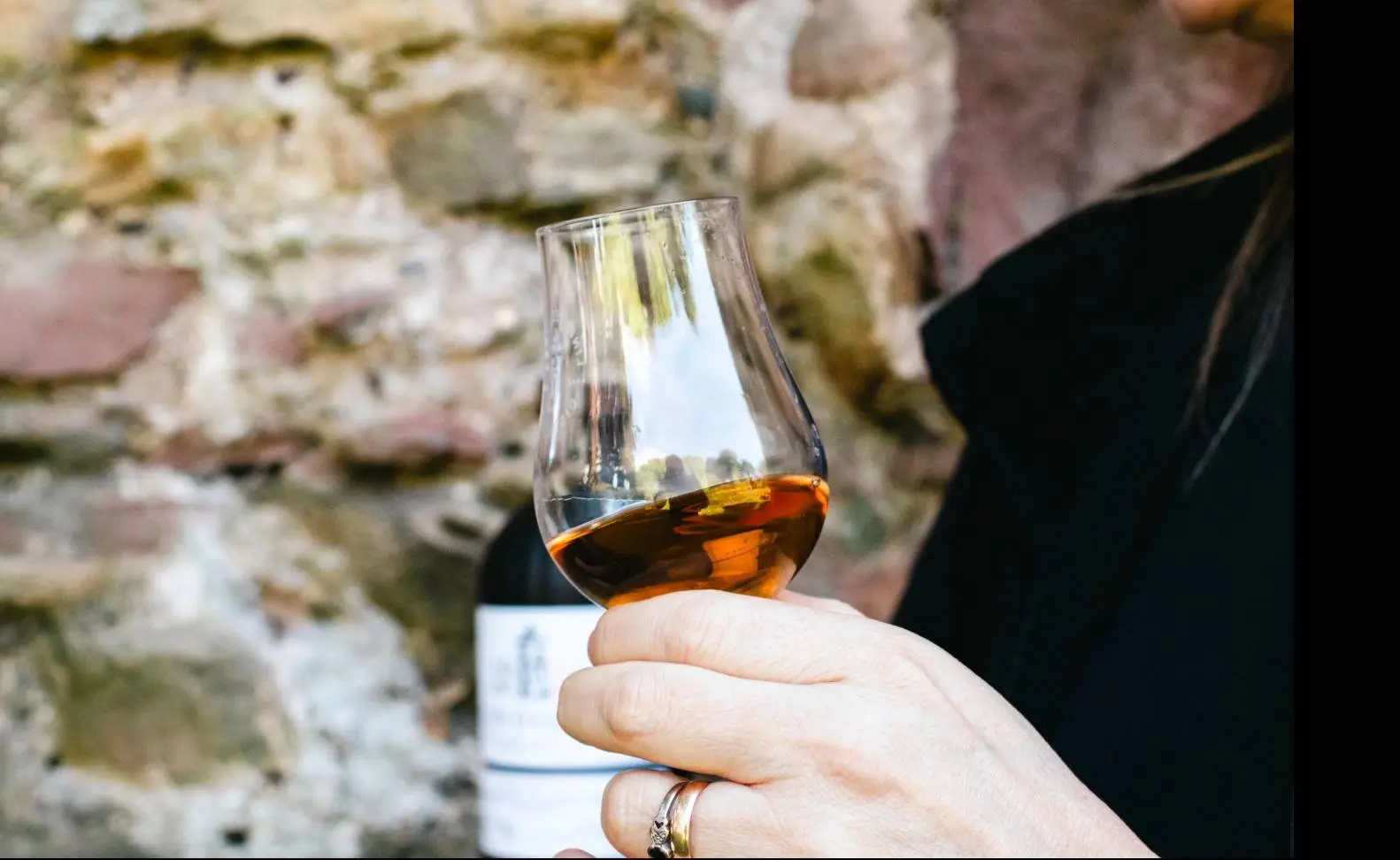
Add Whisky Monkeys as a Google favoriteWhisky can be a mysterious spirit, especially when it’s poured blind. With a simple test called beading, you can still learn a few things about your whisky, such as its alcohol strength and texture.
There are several ways to figure out what kind of whisky you’re dealing with. You can of course take a quick peek at the label, but that isn’t always available. Fortunately, there’s always beading to give you a solid indication. But what exactly is it?
What is beading?
Beading in whisky is a simple technique that gives you a quick sense of the alcohol content and structure of a whisky. It’s not an official quality test, but a handy at-home method to roughly estimate a whisky’s strength.
Beading refers to beads, tiny bubbles. In whiskies above a certain alcohol level, these form when you gently shake the glass or swirl the whisky a bit more vigorously.
When the whisky is above 50% alcohol, these bubbles create a fine foam ring on your dram. You’ll also see bubbles in whiskies with a lower alcohol content, but those disappear immediately.
If the bubbles linger, the alcohol content is likely higher than 50% alcohol by volume (ABV). In the video below, you can see Charles MacLean demonstrate and explain beading.
How does beading occur?
Beading is the result of a liquid’s surface tension in combination with its alcohol content. Whisky with a higher ABV produces more bubbles than a whisky with a lower ABV.
Viscosity also plays a role. Whiskies with a fuller body and more oils (often non-chill filtered bottlings) typically show stronger beading. That’s because fatty acids and esters contribute to a thicker texture, which influences how air bubbles form and behave.
Spotting older whisky with beading
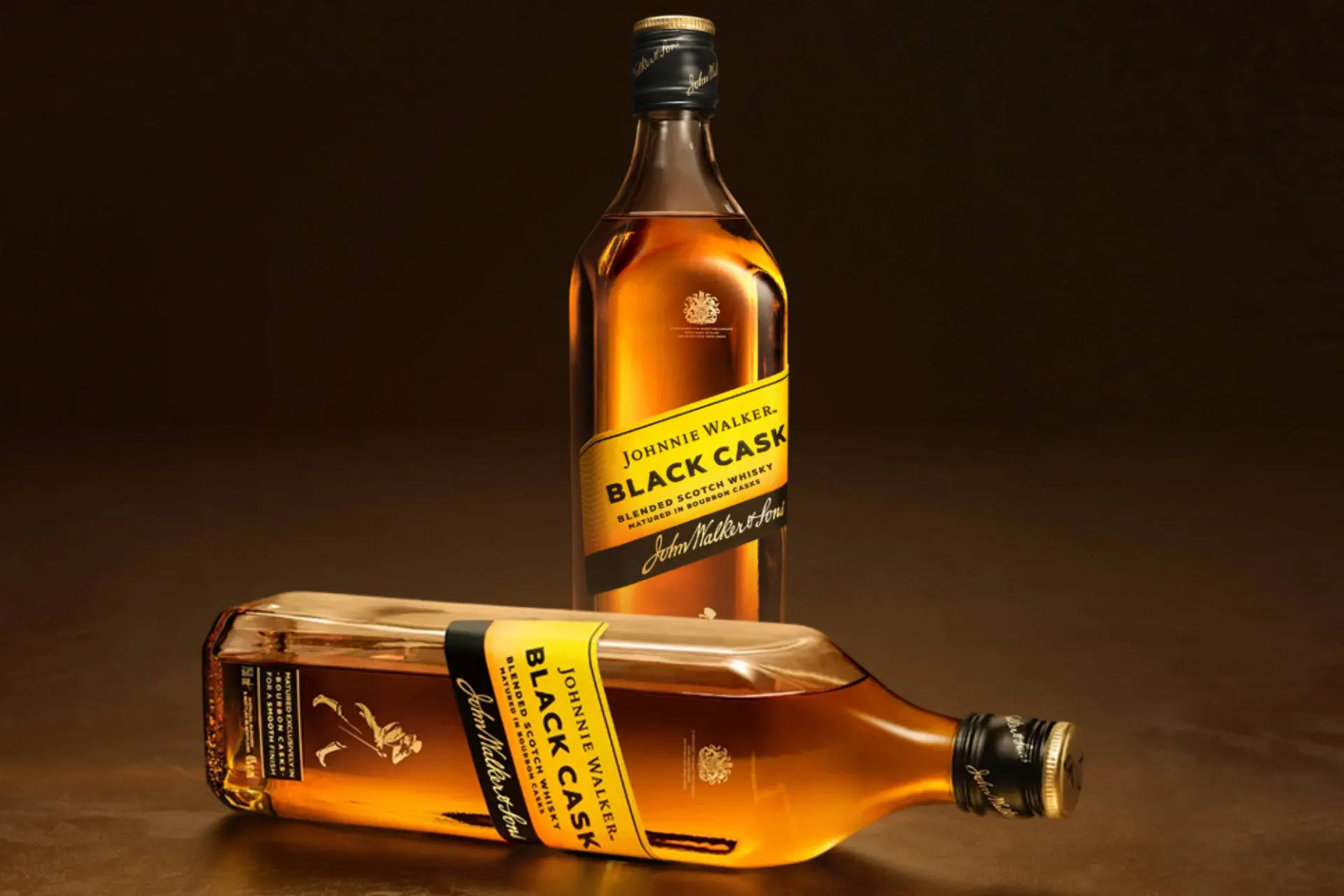
Beading doesn’t just help you see whether a whisky is high in alcohol. It can also help you identify an older whisky. If the bubbles cling to the surface for longer, the whisky is likely a bit older.
That doesn’t necessarily say anything about the flavor, but it’s a fun experiment to try. In the end, it all comes down to what you enjoy.
loading
POPULAR NEWS
Whisky Names Explained: Octomore
Bowmore Brings Back a Devilish Whisky After More Than 10 Years (and Two Old Casks Take Center Stage)
Glenfiddich, Ardbeg, and Jameson are joined by new names on the 2026 Best Whiskies list
This Japanese whisky is almost too beautiful to open

From Rat to Dragon and Goat: These Whisky Bottles Form a Remarkable Collection
Japanese Oak Lends a Distinctive Twist to This Belgian Whisky (Review)

Belgian distillery unveils Brussels’ first whisky, but you’ll need to act fast if you want one
This Highlander is Glenmorangies oldest whisky ever
5 Indian whiskies that taste like liquid gold
There’s a remarkable idea behind the name of this ultra-rare Macallan TIME: SPACE whisky
LATEST COMMENTS
- Thank you for the compliment. I really appreciate it.M0nkey31-08-2026
- I enjoyed reading the different approaches to building a whisky collection. Whether you collect by region, style, or limited releases, discovering new brands keeps the hobby interesting. Soorahi is another premium whisky worth considering for collectors looking to explore the evolving world of quality whiskies.dinesh04-08-2026
- There is no distillery equipment there and also no licences to produce or sell alcohol.TRC19-12-2025
- Hi Yvonne, Thank you for your response and for sharing the video. Unfortunately, the evidence you referred to consists only of two people talking about the whisky, without any explanation or identification. We have not spoken to the individuals in the video ourselves, nor can we verify who they are. We describe it as a Chinese whisky because it is released by a Chinese distillery. As you mentioned, the distillery has chosen to label the product as “pure malt” instead of “Chinese whisky.” Based on that, we do not believe they are doing anything illegal.M0nkey16-11-2025
- So - you have the proof......where's your write up?Yvonne16-11-2025
- You are absolutely right. Luckily that doesn't matter for the taste of the whisky. Have you tried it yet?M0nkey05-11-2025
- Guess what? Finland is not part of Scandinavia.Gray105-11-2025
- Throw in the towel? You mean restructure to compete and win in a challenging industry environment.WestwardFounder21-10-2025
- There is nothing legally to prevent the English whisky GI from coming into force, it complies with all the relevant laws and the single malt definition follows the precedent of Welsh whisky and US whiskyChefBear15-10-2025
- Three emails sent (two with videos, linked to a Google Drive Share). 1. The original video. 2. The video with subtitles as it was shared on YouTube 3. Screen grab of the YouTube channel where the video was blocked due to Pernod Ricard lobbying. The story was covered on Drinks Intel at the time - link here - https://drinks-intel.com/subscriber-news/pernod-ricards-the-chuan-pure-malt-whisky-not-sourced-solely-from-china-global-drinks-intel-exclusive/Yvonne10-10-2025
Loading