Never miss whisky news, reviews, and new releases again.
Add Whisky Monkeys as a Google favoriteWhen we talk about whisky maturation, many people immediately think of time. Some say the longer a whisky sits in a cask, the better it is. But time is only one factor in shaping a whisky’s flavor. The toasting and charring of a cask, for example, also have a huge impact on taste. What’s the difference between the two and how can you taste it?
What is toasting?
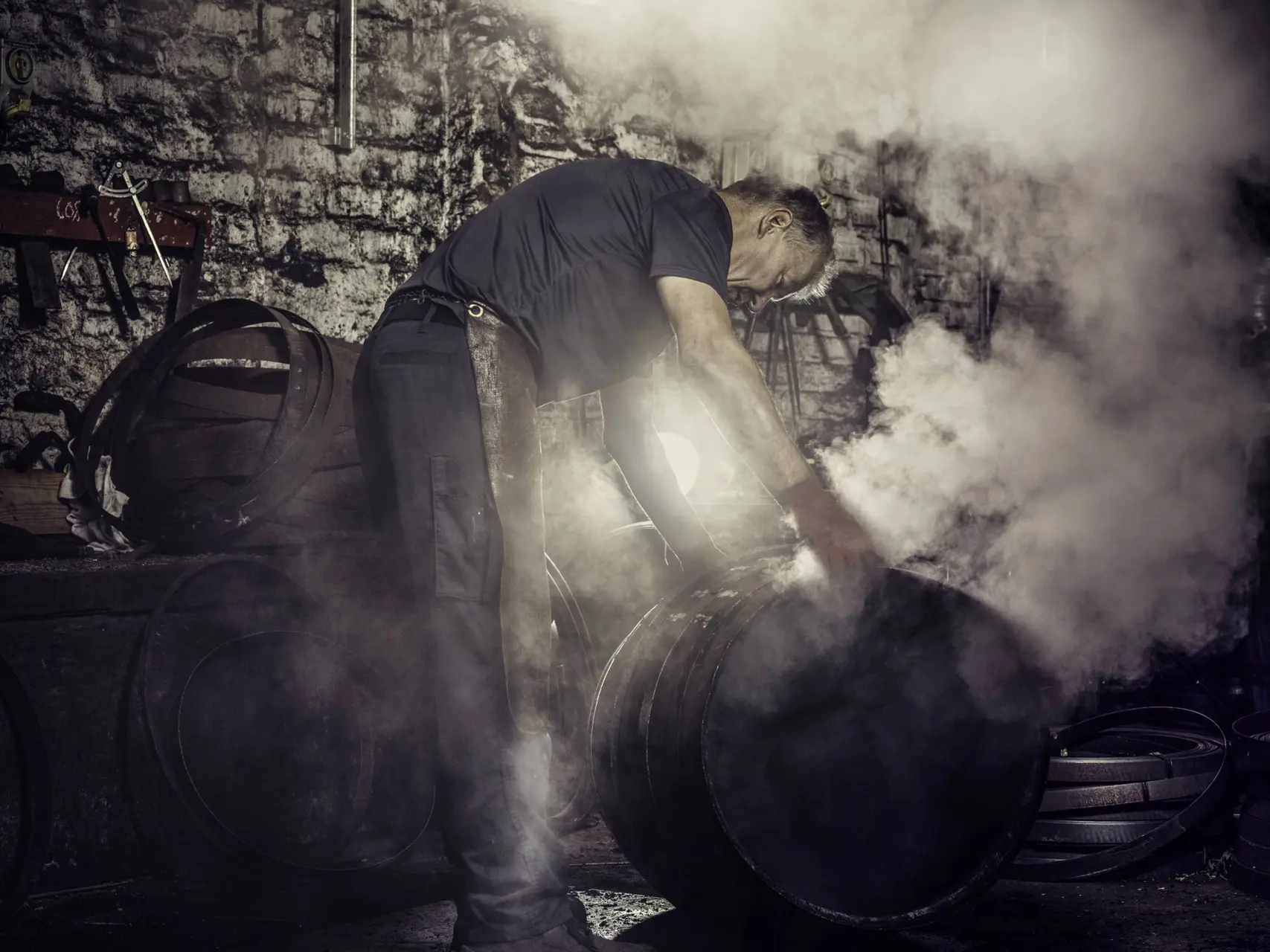
Toasting is the controlled heating of a cask’s inner surface. It’s done slowly and at a relatively low temperature. The wood is essentially roasted, triggering a chemical reaction.
The heat breaks down lignin, hemicellulose, and other wood components. This creates aromatic compounds that contribute flavor, think vanillin (vanilla notes), caramel-like sugars, and a gentle oak spice. What matters is that the wood turns a golden brown without forming a charred layer.
Toasting primarily shapes the wood’s aroma. For the whisky, that means subtler sweetness, elegant spice, almond notes, and sometimes a hint of coconut or honey.
What is charring?
Charring goes a step further. The inside of the cask is briefly but intensely exposed to open flame. The wood literally catches fire, creating a black, charred layer on the inside.
In American bourbon production, charring is required for new oak barrels. There are different “char levels,” usually 1 through 4, with 4 being the heaviest char. A heavily charred cask can develop a cracked pattern often called “alligator char.”
Charring does more than add flavor. The charred layer acts as a natural charcoal filter. During maturation, impurities in the spirit are absorbed by this carbon layer. At the same time, the sugars in the wood caramelize more deeply than with toasting.
The result is a cask that imparts bolder notes of caramel, toffee, spice, and sometimes a lightly smoky bitterness. The heat also makes the wood surface more porous, allowing the whisky to penetrate deeper into the cask and interact more intensely with the oak.

So what’s the big difference for whisky?
The difference between toasting and charring isn’t just about temperature, it’s also about structure. Toasting transforms the wood from within without burning the surface. Charring creates a layer of charred wood. That has a very different effect on the whisky as it matures.
Toasting delivers nuanced notes of soft vanilla, light caramel, roasted nuts, and delicate spice. Charring releases more power: think bold toffee, dark caramel, smoky accents, deep sweetness, and sometimes a firm oak structure.
And then there are different levels of char. A light char leaves a relatively mild carbon layer, yielding very different notes from a heavy char, also known as an alligator char. With the latter, you’ll often find more leather, dark fruit, and caramel tones.
Whatever char or toast is used, the whisky’s flavor is what truly matters. The cask itself also plays a major role. Whisky from a sherry cask or a rum cask tastes very different from whisky matured in an ex-bourbon barrel.
Want to explore more background articles about whisky? Find our How to Whisky articles here.

loading
POPULAR NEWS

Next year’s exclusive Johnnie Walker whisky is already on sale
You’ll never drink whisky the same way after trying these chocolate pairings
Whisky Names Explained: Octomore
This rare whisky combines Belgian spirit with Japanese craftsmanship
Breaking: English whisky wins historic protection

Ardbeg ends popular whiskyseries with one more bottle
The hidden numbers on your whisky bottle reveal more than you think
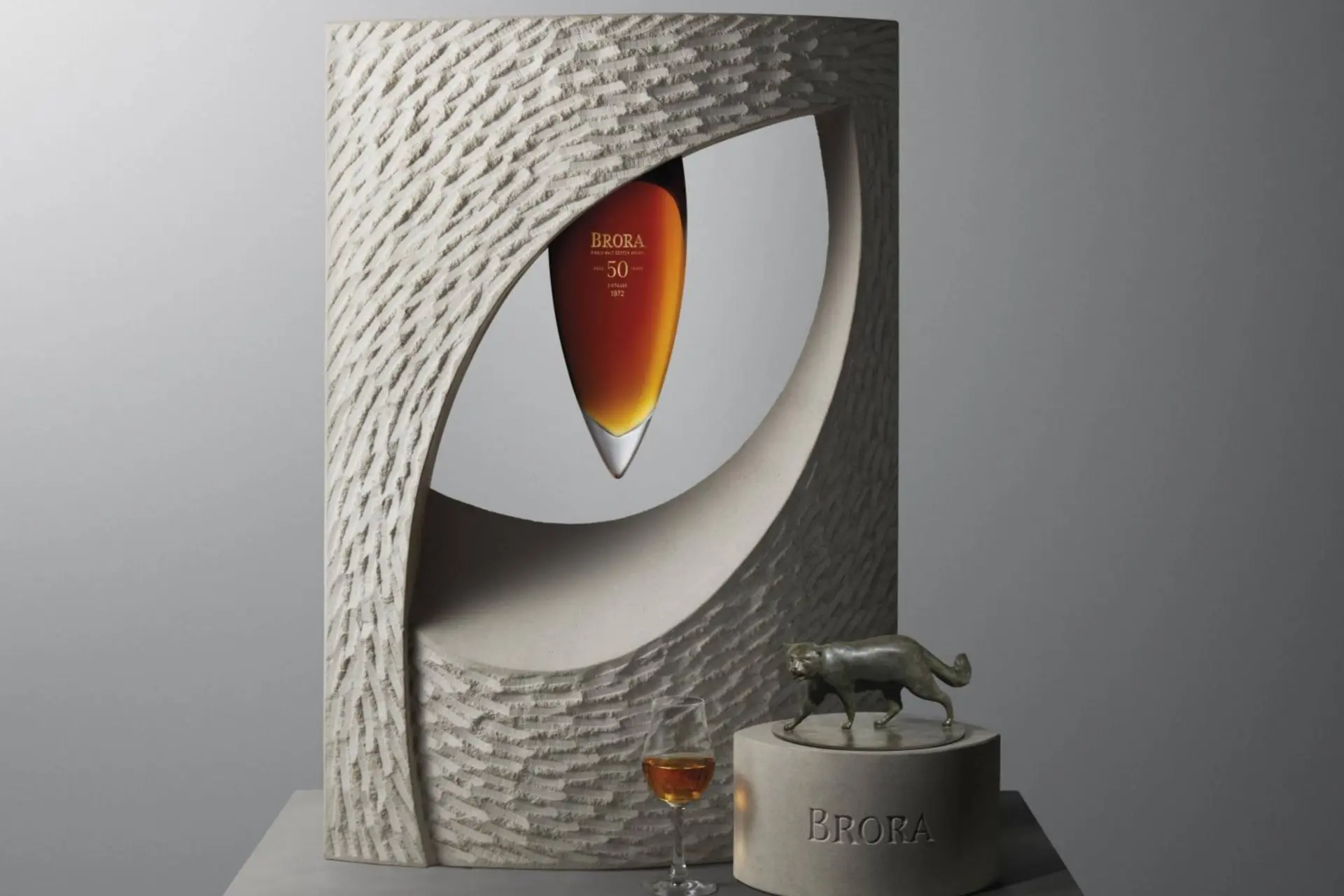
World famous Dutch whisky pioneer celebrates 50 years with a mythological whisky series

Whisky gets its own Oktoberfest moment with this special day

Belgian distillery unveils Brussels’ first whisky, but you’ll need to act fast if you want one
LATEST COMMENTS
- Thank you for the compliment. I really appreciate it.M0nkey31-08-2026
- I enjoyed reading the different approaches to building a whisky collection. Whether you collect by region, style, or limited releases, discovering new brands keeps the hobby interesting. Soorahi is another premium whisky worth considering for collectors looking to explore the evolving world of quality whiskies.dinesh04-08-2026
- There is no distillery equipment there and also no licences to produce or sell alcohol.TRC19-12-2025
- Hi Yvonne, Thank you for your response and for sharing the video. Unfortunately, the evidence you referred to consists only of two people talking about the whisky, without any explanation or identification. We have not spoken to the individuals in the video ourselves, nor can we verify who they are. We describe it as a Chinese whisky because it is released by a Chinese distillery. As you mentioned, the distillery has chosen to label the product as “pure malt” instead of “Chinese whisky.” Based on that, we do not believe they are doing anything illegal.M0nkey16-11-2025
- So - you have the proof......where's your write up?Yvonne16-11-2025
- You are absolutely right. Luckily that doesn't matter for the taste of the whisky. Have you tried it yet?M0nkey05-11-2025
- Guess what? Finland is not part of Scandinavia.Gray105-11-2025
- Throw in the towel? You mean restructure to compete and win in a challenging industry environment.WestwardFounder21-10-2025
- There is nothing legally to prevent the English whisky GI from coming into force, it complies with all the relevant laws and the single malt definition follows the precedent of Welsh whisky and US whiskyChefBear15-10-2025
- Three emails sent (two with videos, linked to a Google Drive Share). 1. The original video. 2. The video with subtitles as it was shared on YouTube 3. Screen grab of the YouTube channel where the video was blocked due to Pernod Ricard lobbying. The story was covered on Drinks Intel at the time - link here - https://drinks-intel.com/subscriber-news/pernod-ricards-the-chuan-pure-malt-whisky-not-sourced-solely-from-china-global-drinks-intel-exclusive/Yvonne10-10-2025
Loading