Never miss whisky news, reviews, and new releases again.
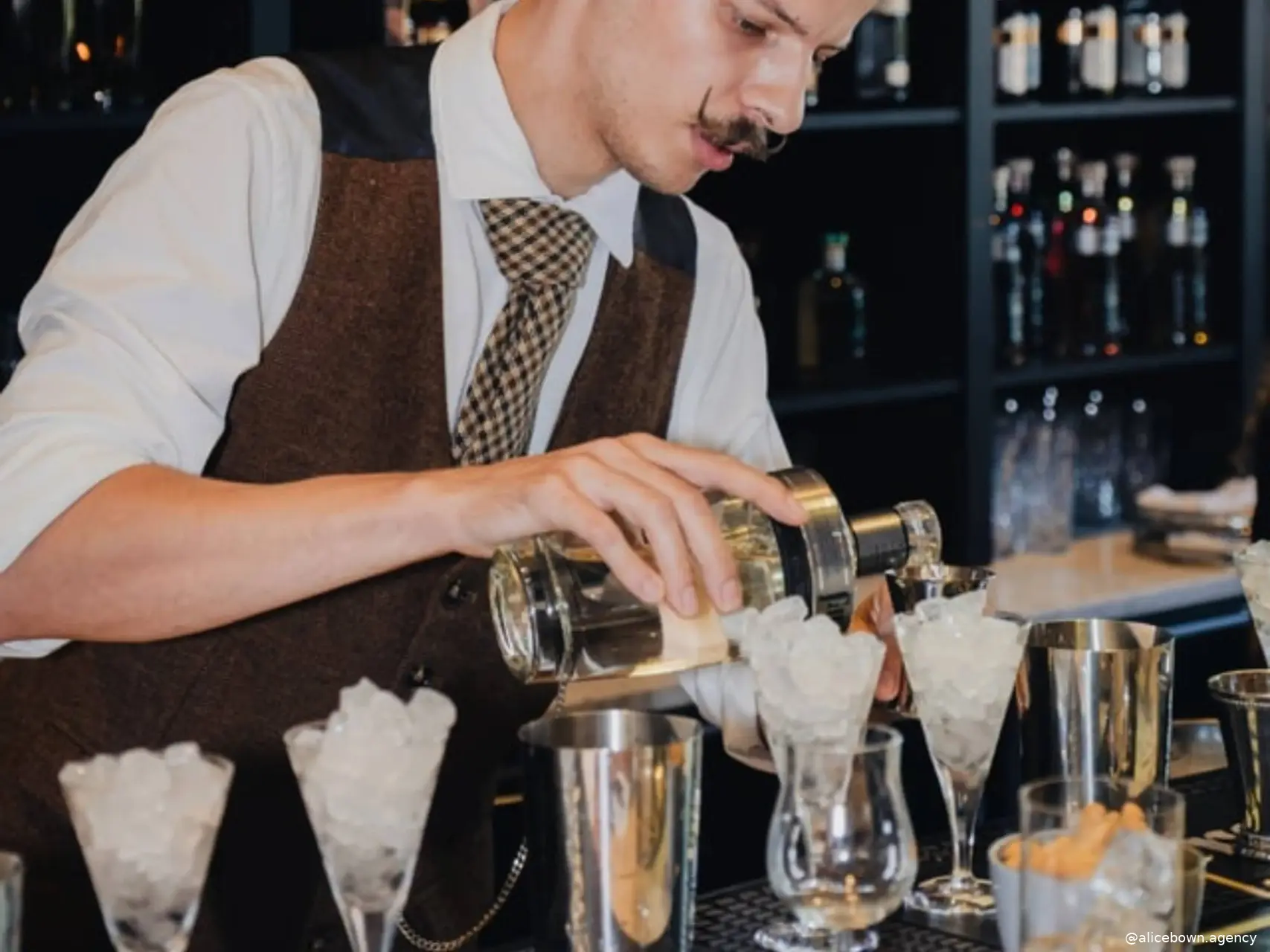
Add Whisky Monkeys as a Google favoriteFor generations, whisky has been the backbone of iconic cocktails. An Old Fashioned, Whisky Sour or Rob Roy is nothing without the nectar of the gods. Yet these classics are anything but static. Bartenders are refining recipes, perfecting techniques and choosing their whisky with greater intention. As a result, the standard for whisky cocktails is higher than ever.
These days, a great whisky cocktail isn’t made with just any whisky or bourbon. Bartenders look closely at the spirit’s flavor profile and how it complements the other ingredients.
Let flavor lead the cocktail
Bourbon can bring notes of vanilla, caramel and sweet baking spices to a cocktail. A sherry-finished whisky like Filliers 10 Year Old or Filliers 15 Year Old Sherry Cask adds rich fruit tones, nuttiness and sometimes a touch of extra spice.
That’s why whisky isn’t merely the base of a cocktail. It’s a fully fledged ingredient whose aromas and flavors largely determine the direction of the drink. Using a smoky whisky? You’ll taste it in the cocktail. The same goes for a briny profile, or one that’s rich and fruity.
Thanks to its broad flavor spectrum, whisky is a brilliant foundation for bright summer serves as well as bold, warming winter cocktails. Whatever you’re mixing, the same rule applies: the base must be right—just like the supporting ingredients and the overall balance.

Classics demand precision
Craftsmanship shines most clearly in the classics. Many cocktails rely on just a handful of ingredients, leaving little room to cover up mistakes with an extra component.
The choice of whisky, the amount of sugar, the quality of the ice and the level of dilution all need to be in harmony. The whisky takes center stage.
The same is true for a Whisky Sour. Whisky, egg white, lemon juice and sugar might seem simple together, but even a small deviation can throw the drink off balance—too sour, too sweet, or simply too strong.
While quality varies from bar to bar, the average standard is undeniably rising. Europe’s cocktail scene is evolving fast, and that momentum is reflected in international rankings.

Europe’s bar scene keeps growing
A great example is the launch of Europe’s 50 Best Bars. The inaugural list was unveiled on June 30 in Amsterdam. More than 300 bartenders, bar owners, drinks journalists and cocktail specialists voted based on bar visits over the previous 18 months.
First place went to Line in Athens, followed by The Bar in Front of the Bar, also in Athens. The Greek capital even landed five bars in the top 30. Traditional cocktail cities like London, Paris and Barcelona remain strongly represented too.
And you might not expect it: our own little Netherlands made the cut. Super Lyan in Amsterdam ranked 42nd, the only Dutch bar on the list—an outstanding spot for exceptional cocktails in a stellar setting.
The list isn’t specifically about whisky, but it does show how broadly quality is judged today. Beyond the drinks themselves, hospitality, sustainability, bar design and the caliber of the menu all play a key role.

Belgium is investing in bartender talent too
The professionalization of cocktails is equally visible in Belgium. On July 6, Filliers Distillery in Deinze hosted the first Filliers Bartender Competition. Contestants didn’t work with whisky, but with Filliers Young & Pure Genever. Even so, the competition fit right in with the trends shaping the world of whisky cocktails.
Bartenders were judged on flavor, originality, presentation, technique and storytelling. Winner Bart Capoen of Little Red Rooster in Ghent created Then & Still, a modern take on the traditional kopstoot. He paired a fresh genever cocktail with an experimental IPA from Dok Brewing Company.
The other finalists brought in ingredients like apple, verjus, sorrel, family recipes and a pork-fat fat-wash. It shows how bartenders are rediscovering local distillates and blending tradition with modern technique—the very same evolution we’re witnessing in the whisky world.

Good news for whisky lovers
Whisky lovers are reaping the rewards of this rising standard behind the bar. It’s no longer just about ordering a flight or sipping a neat dram. Classics are appearing on more and more menus, while new creations showcase just how versatile whisky can be.
A whisky cocktail can be smoky, bright, spicy, fruity, powerful—or surprisingly delicate. Whisky is no longer a simple base hidden among other ingredients. It’s a characterful spirit that, in a well-crafted cocktail, gets all the space it needs to shine.
Made possible by Filliers. Nix18.
FAQ
- Which whisky is best suited for a whisky cocktail?
It depends on the flavor profile you’re after. Bourbon often brings notes of vanilla, caramel and sweet spices, while sherry-finished whisky adds rich fruit, nuttiness and extra spice. Smoky, briny or crisp styles can each give a cocktail its own distinct character. - Which classic cocktails are made with whisky?
Well-known classics include the Old Fashioned, Whisky Sour and Rob Roy. Because these drinks have relatively few ingredients, the quality of the whisky, the proportions, the ice and the dilution are especially important. - Can you make fresh, summery cocktails with whisky?
Yes—whisky is far more versatile than many assume. Depending on the whisky and the supporting ingredients, a whisky cocktail can be fresh, fruity and light, or bold, spicy and warming. That makes whisky perfect for both summer and winter serves.
Read also
loading
POPULAR NEWS
Whisky Names Explained: Octomore
Bowmore Brings Back a Devilish Whisky After More Than 10 Years (and Two Old Casks Take Center Stage)
Glenfiddich, Ardbeg, and Jameson are joined by new names on the 2026 Best Whiskies list

This Japanese whisky is almost too beautiful to open

From Rat to Dragon and Goat: These Whisky Bottles Form a Remarkable Collection
Japanese Oak Lends a Distinctive Twist to This Belgian Whisky (Review)

Belgian distillery unveils Brussels’ first whisky, but you’ll need to act fast if you want one

This Highlander is Glenmorangies oldest whisky ever
5 Indian whiskies that taste like liquid gold
There’s a remarkable idea behind the name of this ultra-rare Macallan TIME: SPACE whisky
LATEST COMMENTS
- Thank you for the compliment. I really appreciate it.M0nkey31-08-2026
- I enjoyed reading the different approaches to building a whisky collection. Whether you collect by region, style, or limited releases, discovering new brands keeps the hobby interesting. Soorahi is another premium whisky worth considering for collectors looking to explore the evolving world of quality whiskies.dinesh04-08-2026
- There is no distillery equipment there and also no licences to produce or sell alcohol.TRC19-12-2025
- Hi Yvonne, Thank you for your response and for sharing the video. Unfortunately, the evidence you referred to consists only of two people talking about the whisky, without any explanation or identification. We have not spoken to the individuals in the video ourselves, nor can we verify who they are. We describe it as a Chinese whisky because it is released by a Chinese distillery. As you mentioned, the distillery has chosen to label the product as “pure malt” instead of “Chinese whisky.” Based on that, we do not believe they are doing anything illegal.M0nkey16-11-2025
- So - you have the proof......where's your write up?Yvonne16-11-2025
- You are absolutely right. Luckily that doesn't matter for the taste of the whisky. Have you tried it yet?M0nkey05-11-2025
- Guess what? Finland is not part of Scandinavia.Gray105-11-2025
- Throw in the towel? You mean restructure to compete and win in a challenging industry environment.WestwardFounder21-10-2025
- There is nothing legally to prevent the English whisky GI from coming into force, it complies with all the relevant laws and the single malt definition follows the precedent of Welsh whisky and US whiskyChefBear15-10-2025
- Three emails sent (two with videos, linked to a Google Drive Share). 1. The original video. 2. The video with subtitles as it was shared on YouTube 3. Screen grab of the YouTube channel where the video was blocked due to Pernod Ricard lobbying. The story was covered on Drinks Intel at the time - link here - https://drinks-intel.com/subscriber-news/pernod-ricards-the-chuan-pure-malt-whisky-not-sourced-solely-from-china-global-drinks-intel-exclusive/Yvonne10-10-2025
Loading