Never miss whisky news, reviews, and new releases again.
Add Whisky Monkeys as a Google favoriteFor many, Scotland is the whisky nation par excellence and with good reason. Distilleries dot the landscape, each with its own flavors and personality. The differences between regions are especially striking. These are the five major whisky regions.
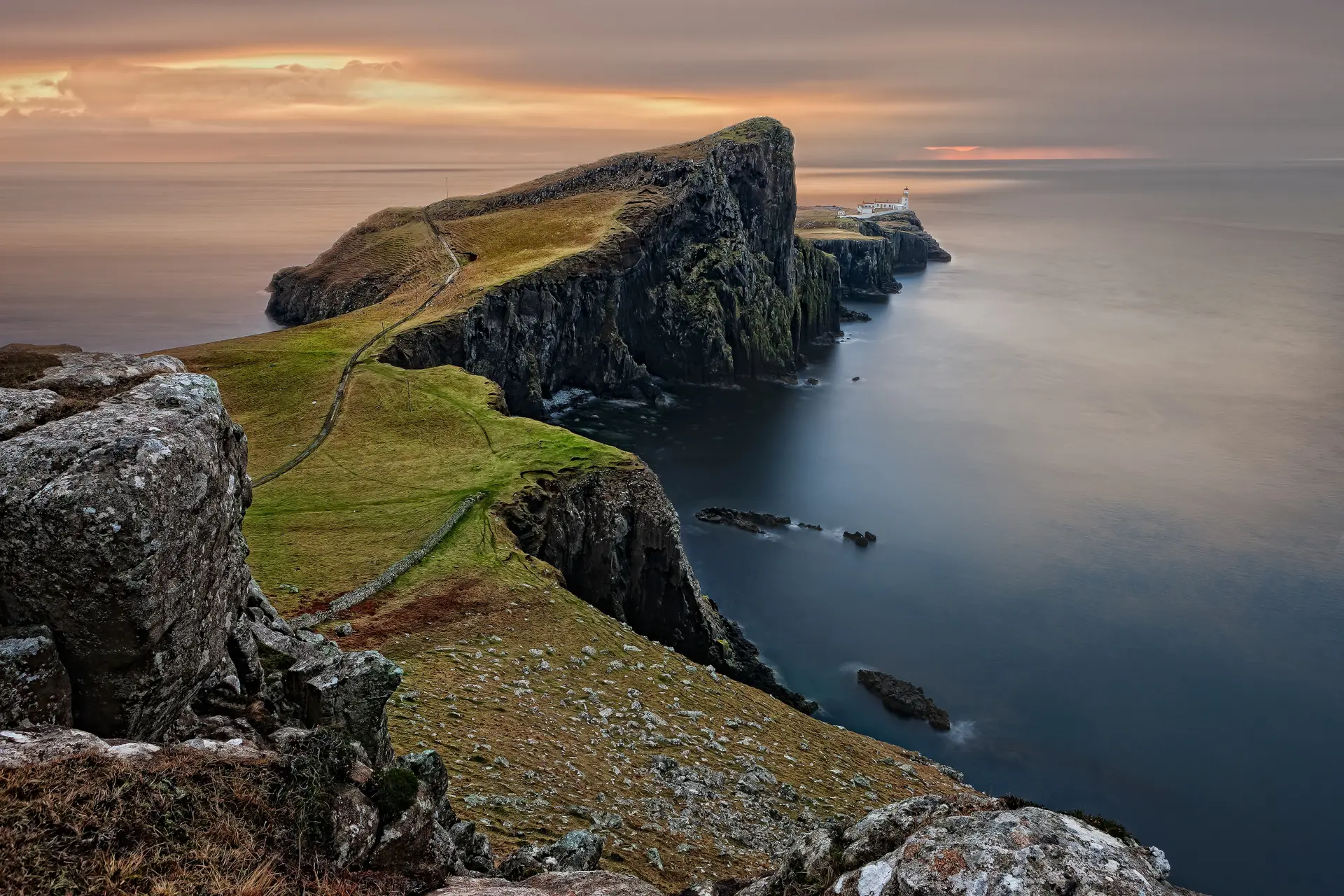
Speyside
Anyone who’s ever browsed the whisky shelf has likely seen the name Speyside. That’s no surprise: the region is home to an enormous number of distilleries, including several world-famous names. Countless bottles of Glenfiddich and Glenlivet fly off the shelves every year, and fully 50 percent of Scotland’s whisky comes from Speyside.
The region lies east of Inverness and spans a vast natural landscape, including part of Cairngorms National Park: home to the famous whisky trail. Distilleries are so plentiful you practically stumble over them, and many villages in the area are kept alive by the art of distilling.
The River Spey runs through the region, lending its name to the whiskies and supplying the water used to craft them. With so many different expressions, there’s no single Speyside style, but you’ll often find fruity and spicy notes, and many spirits mature in sherry casks.
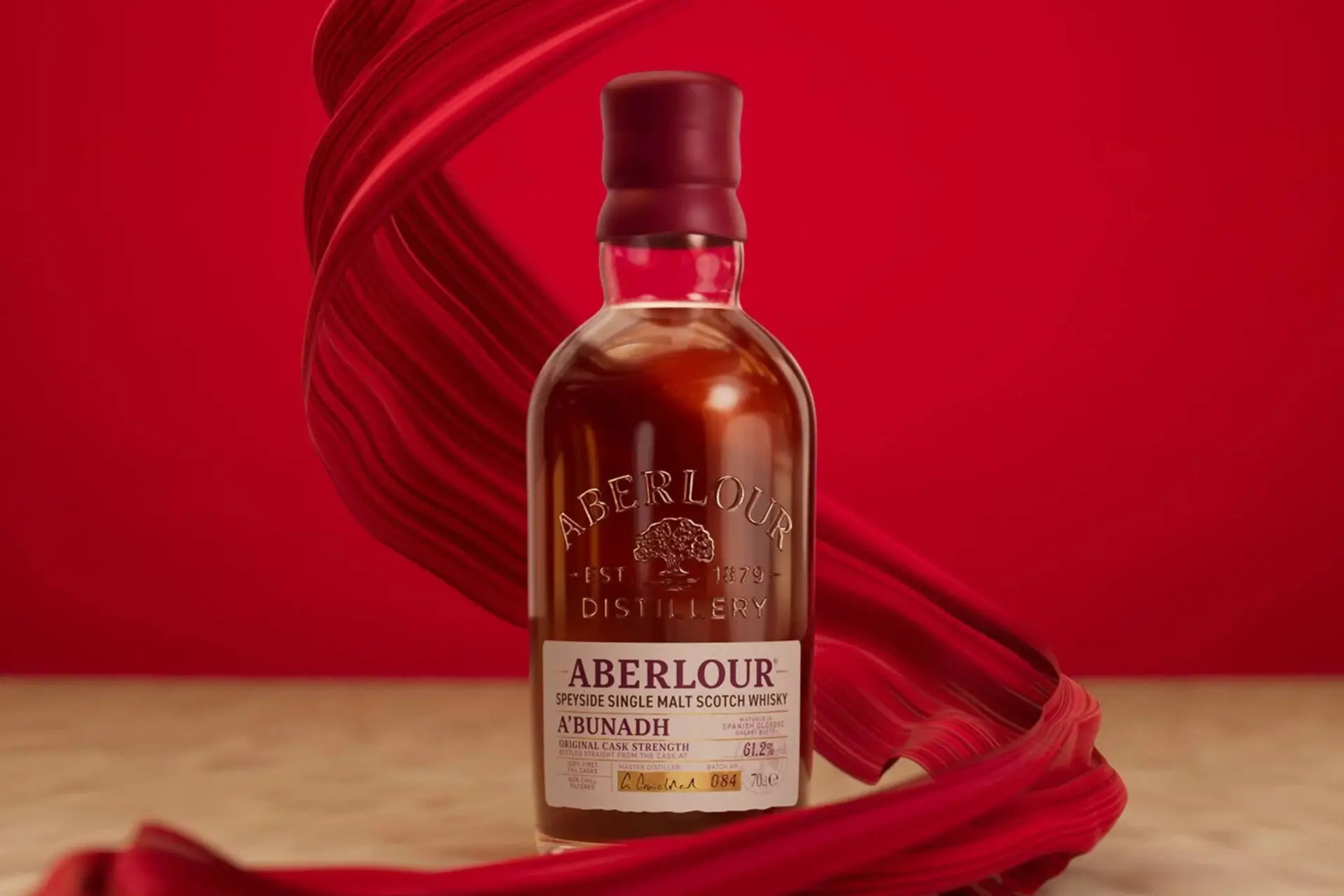
Highland
Some whiskies from Speyside even carry “Highland whisky” on the label. That’s because Speyside is a region within a region. It also falls under the Highlands, a designation so vast it almost defies being called a region at all. It stretches from the River Forth to the western isles and all the way to Scotland’s northern tip.
Given its size and the dizzying variety of distilleries and traditions, it’s impossible to pin down a single Highland profile. You’ll find everything from light and fruity to bold and smoky. It's perfect for keeping you warm through the Highlands’ harsh winters.
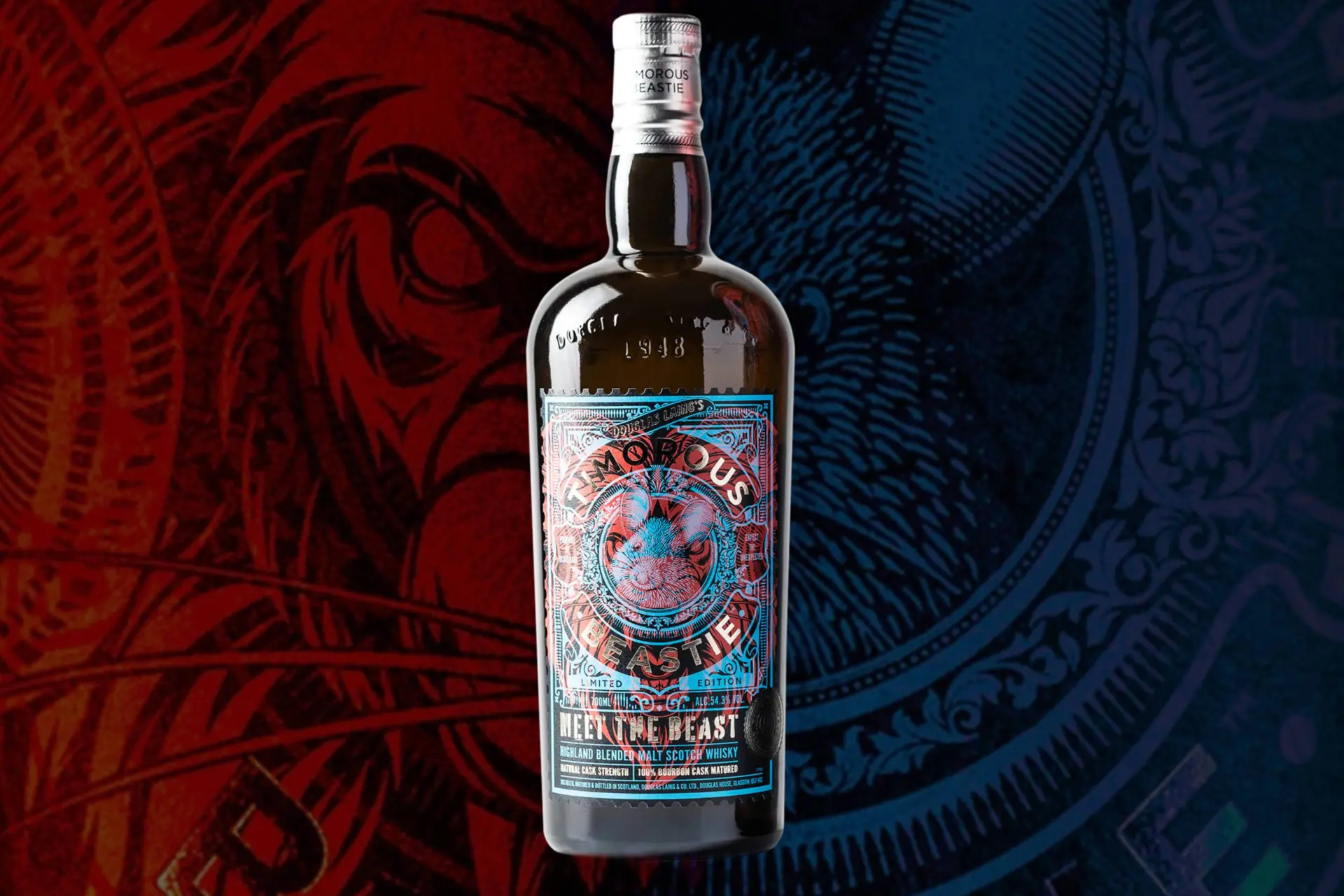
Islay
Speaking of bold and smoky: no tour of Scotland’s whisky regions is complete without Islay. It’s the smallest of the lot, but it leaves an indelible impression.
Islay occupies the island of the same name off Scotland’s west coast. Weather rolling in from the Atlantic can be wild, and an Islay whisky is the perfect companion for all seasons on the island. These whiskies are famed for their intensely smoky character: think Ardbeg, Laphroaig, and Lagavulin.
A large share of the island’s population works in distilling, and Islay’s economy is sustained by the success of its whiskies.
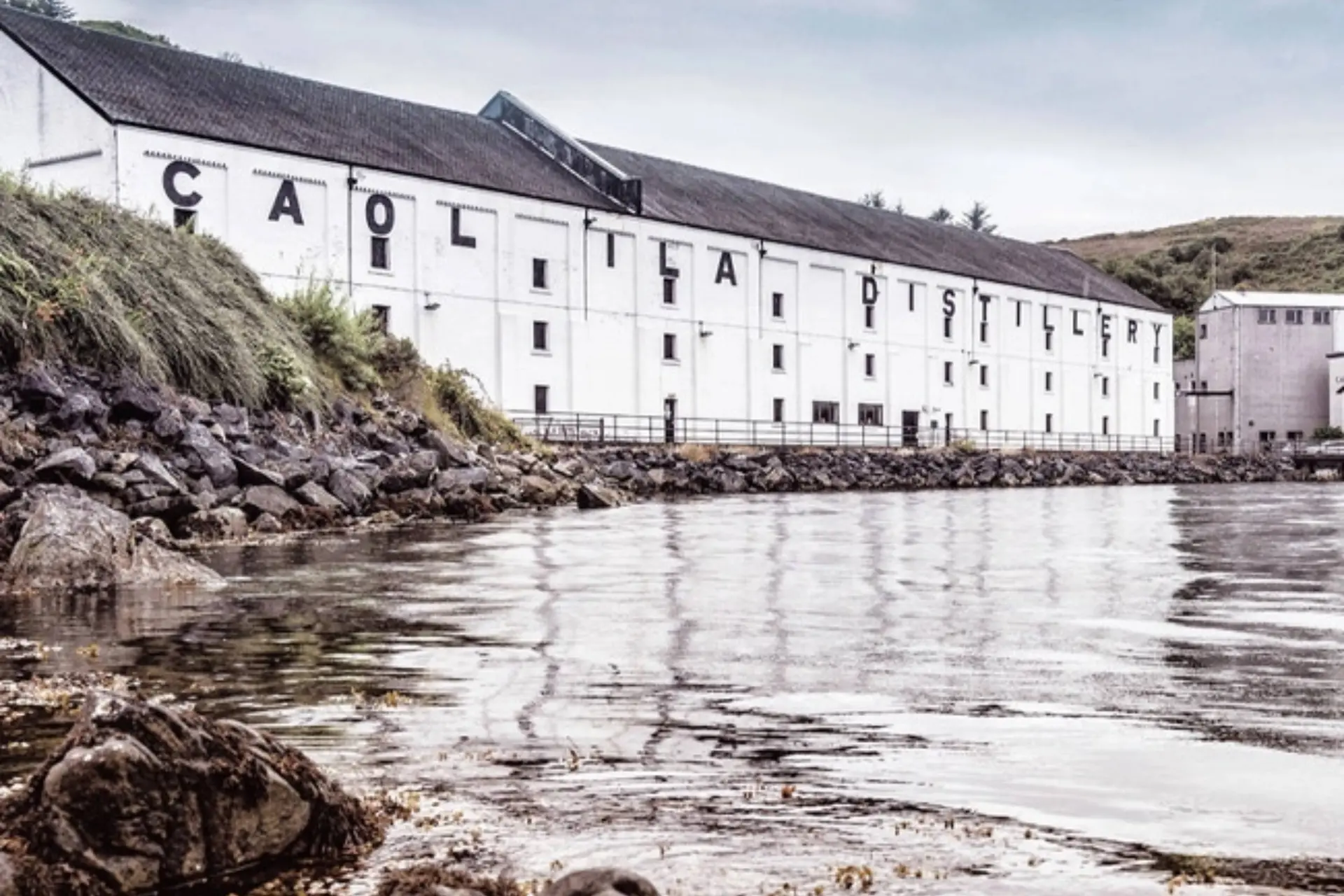
Lowland
While much of Scotland is defined by the rugged Highlands, the majority of the population lives further south in the so-called Lowlands. From Edinburgh and Glasgow down to the English border, this is the land of the low country, not to be confused with the nation across the North Sea.
There are plenty of distilleries here too, but many take a different tack than their Highland and island counterparts. Lowland whiskies are known for their gentler touch, often showcasing fresh, floral flavors: think Glenkinchie and Auchentoshan.
Campbeltown
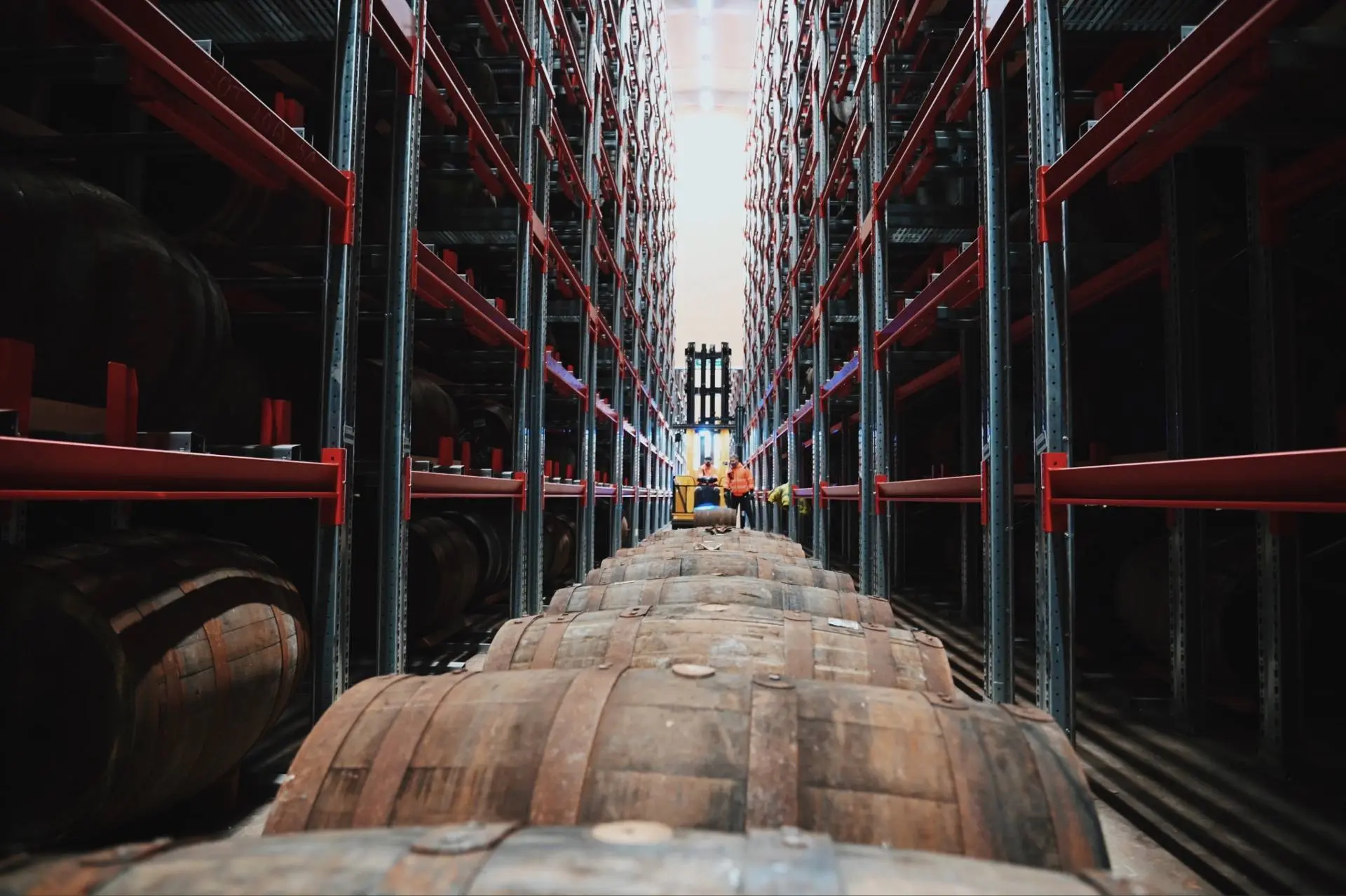
The final whisky region often flies a bit under the radar compared to, say, Islay and Speyside and there’s a reason for that. Campbeltown was once packed with distilleries famed for their single malts, but today far fewer remain on the peninsula west of Glasgow.
Even so, the region refuses to fade. Each year, plenty of whisky still flows from Campbeltown, where three major players: Springbank, Glen Scotia, and Glengyle. Each focuses on different characteristics and isn’t afraid to experiment, so you’ll encounter a wide spectrum of styles from this area. It’s a region you shouldn’t underestimate.
Want more of our best-of stories? Check out our roundup.
loading
POPULAR NEWS
Whisky Names Explained: Octomore
Bowmore Brings Back a Devilish Whisky After More Than 10 Years (and Two Old Casks Take Center Stage)
Glenfiddich, Ardbeg, and Jameson are joined by new names on the 2026 Best Whiskies list

This Japanese whisky is almost too beautiful to open

From Rat to Dragon and Goat: These Whisky Bottles Form a Remarkable Collection
Japanese Oak Lends a Distinctive Twist to This Belgian Whisky (Review)
Belgian Distillery Gone: Old Caperdonich Stills Up for Auction

This Highlander is Glenmorangies oldest whisky ever
5 Indian whiskies that taste like liquid gold
Dutch Investor Unmasks a Massive Whisky Scam After a Failed Investment
LATEST COMMENTS
- Thank you for the compliment. I really appreciate it.M0nkey31-08-2026
- I enjoyed reading the different approaches to building a whisky collection. Whether you collect by region, style, or limited releases, discovering new brands keeps the hobby interesting. Soorahi is another premium whisky worth considering for collectors looking to explore the evolving world of quality whiskies.dinesh04-08-2026
- There is no distillery equipment there and also no licences to produce or sell alcohol.TRC19-12-2025
- Hi Yvonne, Thank you for your response and for sharing the video. Unfortunately, the evidence you referred to consists only of two people talking about the whisky, without any explanation or identification. We have not spoken to the individuals in the video ourselves, nor can we verify who they are. We describe it as a Chinese whisky because it is released by a Chinese distillery. As you mentioned, the distillery has chosen to label the product as “pure malt” instead of “Chinese whisky.” Based on that, we do not believe they are doing anything illegal.M0nkey16-11-2025
- So - you have the proof......where's your write up?Yvonne16-11-2025
- You are absolutely right. Luckily that doesn't matter for the taste of the whisky. Have you tried it yet?M0nkey05-11-2025
- Guess what? Finland is not part of Scandinavia.Gray105-11-2025
- Throw in the towel? You mean restructure to compete and win in a challenging industry environment.WestwardFounder21-10-2025
- There is nothing legally to prevent the English whisky GI from coming into force, it complies with all the relevant laws and the single malt definition follows the precedent of Welsh whisky and US whiskyChefBear15-10-2025
- Three emails sent (two with videos, linked to a Google Drive Share). 1. The original video. 2. The video with subtitles as it was shared on YouTube 3. Screen grab of the YouTube channel where the video was blocked due to Pernod Ricard lobbying. The story was covered on Drinks Intel at the time - link here - https://drinks-intel.com/subscriber-news/pernod-ricards-the-chuan-pure-malt-whisky-not-sourced-solely-from-china-global-drinks-intel-exclusive/Yvonne10-10-2025
Loading