Never miss whisky news, reviews, and new releases again.
Add Whisky Monkeys as a Google favoriteWhen you grab a whisky off the shelf, chances are it’s a spirit that’s spent time in an oak cask. And that’s no coincidence. Ever wonder why whisky matures in oak barrels? We’ll tell you why.
The world is full of different trees, and in theory, any of them could be turned into a cask. So why oak, you might ask. There are plenty of good reasons.
The perfect density for casks
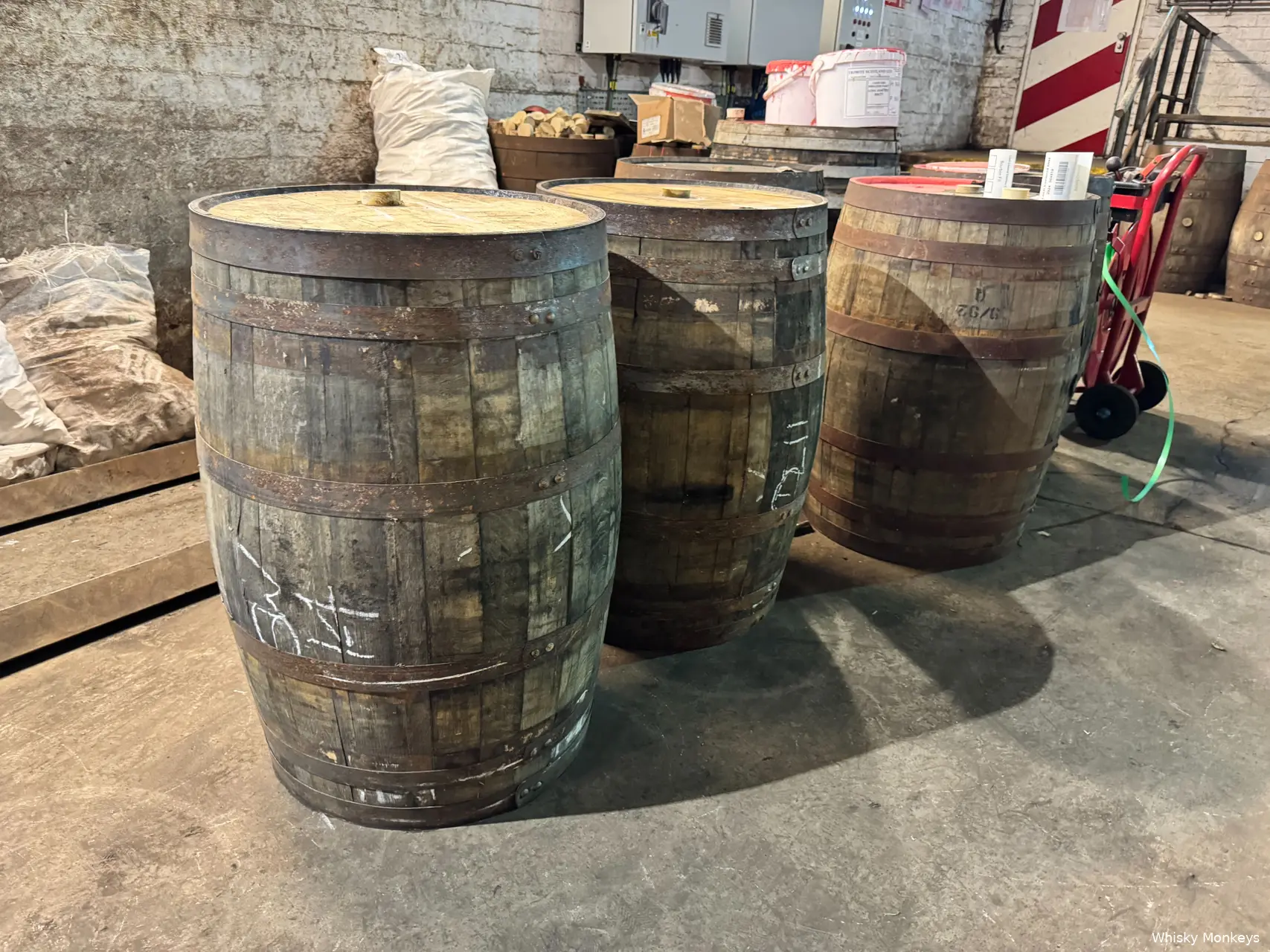
Oak is one of the most common trees in the world. Its wood is sturdy and just porous enough to allow a spirit to mature without leaking easily.
On top of that, oak imparts a lot of flavor. That makes it ideal for aging spirits. There are also more than 600 different species of oak, each lending its own character. Plenty of variety to play with.

Strict rules in Scotland
Another reason oak is used comes down to regulation. Some countries, like Scotland and the United States, have strict rules around the use of casks.
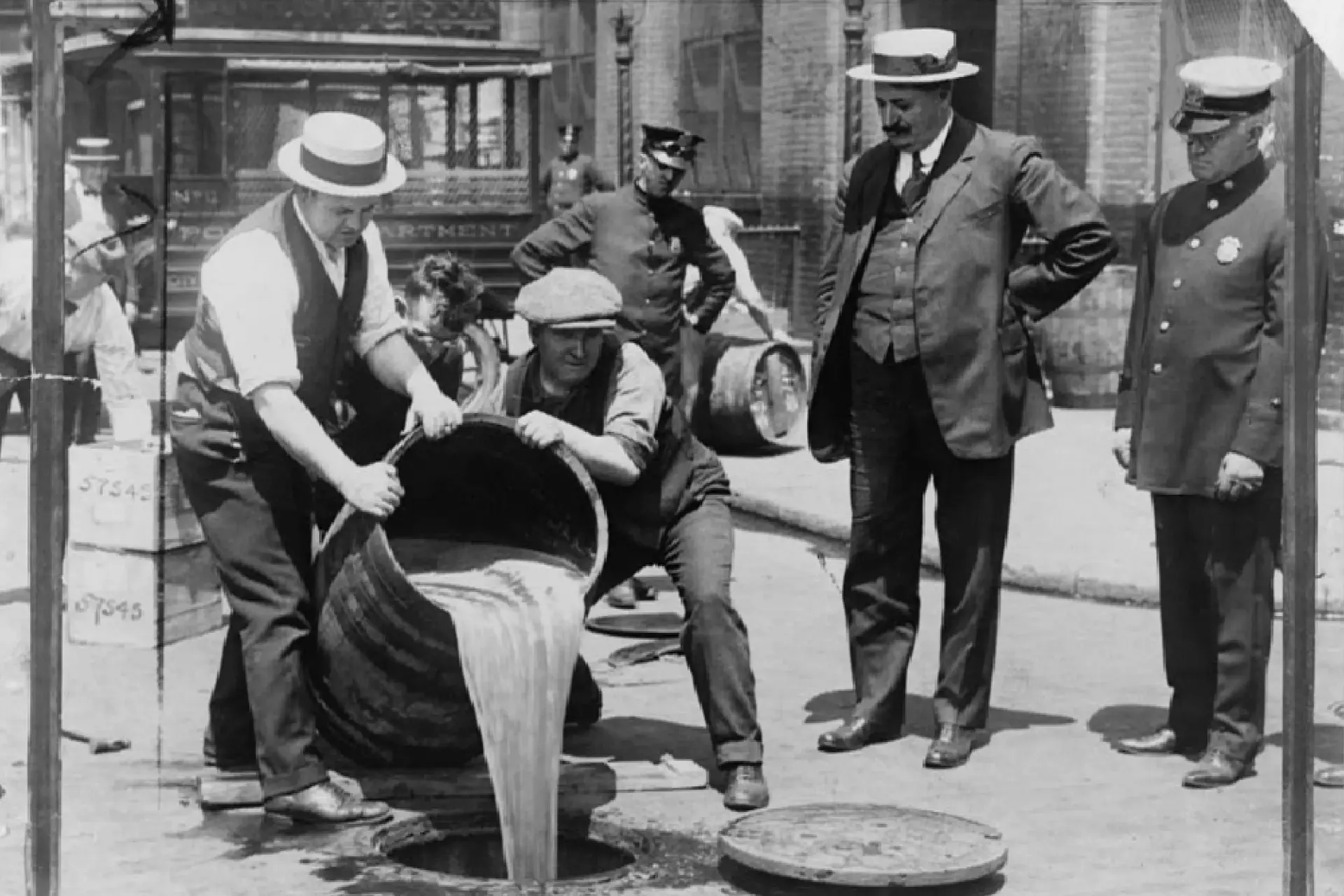
In the United States, for example, bourbon must be aged in new oak barrels. Those barrels have to be charred on the inside before the White Dog, the new-make spirit, goes in.
Once the bourbon is emptied, those casks can’t be used again for bourbon. That creates a vibrant trade in American oak barrels, something Scottish, Irish, and other whisky makers around the world are more than happy to take advantage of.
In Scotland, the rule is that only oak may be used, whether new or used. In the latter case, there are additional conditions regarding what the cask previously held. Tequila, beer, wine, and sherry are allowed, for instance, but cider is not.
Oak isn’t used everywhere
Not every country uses oak exclusively. While Scotland and the U.S. regulate casks, Ireland does not in the same way. Irish whiskey must mature in wood, but that could be chestnut or another species.
In parts of Asia, such as India, Taiwan, and Japan, acacia, cedar, or cherry wood may also be used to make casks for whisky maturation. The drawback is that these woods are generally more porous and often harder to cooper into reliable barrels.
So you’re more likely to see a whisky finished in cherry or cedar than a long-aged whisky matured entirely in those types of casks.
Explore our other How to Whisky articles.
loading
POPULAR NEWS

Next year’s exclusive Johnnie Walker whisky is already on sale
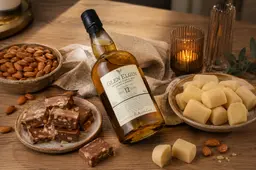
You’ll never drink whisky the same way after trying these chocolate pairings
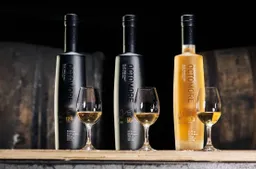
Whisky Names Explained: Octomore

This rare whisky combines Belgian spirit with Japanese craftsmanship
Breaking: English whisky wins historic protection

Ardbeg ends popular whiskyseries with one more bottle

Behind the name of Ardbeg’s newest release lies a forgotten corner of Islay
World famous Dutch whisky pioneer celebrates 50 years with a mythological whisky series
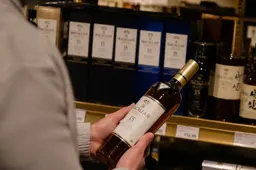
The hidden numbers on your whisky bottle reveal more than you think

Whisky gets its own Oktoberfest moment with this special day
LATEST COMMENTS
- Thank you for the compliment. I really appreciate it.M0nkey31-08-2026
- I enjoyed reading the different approaches to building a whisky collection. Whether you collect by region, style, or limited releases, discovering new brands keeps the hobby interesting. Soorahi is another premium whisky worth considering for collectors looking to explore the evolving world of quality whiskies.dinesh04-08-2026
- There is no distillery equipment there and also no licences to produce or sell alcohol.TRC19-12-2025
- Hi Yvonne, Thank you for your response and for sharing the video. Unfortunately, the evidence you referred to consists only of two people talking about the whisky, without any explanation or identification. We have not spoken to the individuals in the video ourselves, nor can we verify who they are. We describe it as a Chinese whisky because it is released by a Chinese distillery. As you mentioned, the distillery has chosen to label the product as “pure malt” instead of “Chinese whisky.” Based on that, we do not believe they are doing anything illegal.M0nkey16-11-2025
- So - you have the proof......where's your write up?Yvonne16-11-2025
- You are absolutely right. Luckily that doesn't matter for the taste of the whisky. Have you tried it yet?M0nkey05-11-2025
- Guess what? Finland is not part of Scandinavia.Gray105-11-2025
- Throw in the towel? You mean restructure to compete and win in a challenging industry environment.WestwardFounder21-10-2025
- There is nothing legally to prevent the English whisky GI from coming into force, it complies with all the relevant laws and the single malt definition follows the precedent of Welsh whisky and US whiskyChefBear15-10-2025
- Three emails sent (two with videos, linked to a Google Drive Share). 1. The original video. 2. The video with subtitles as it was shared on YouTube 3. Screen grab of the YouTube channel where the video was blocked due to Pernod Ricard lobbying. The story was covered on Drinks Intel at the time - link here - https://drinks-intel.com/subscriber-news/pernod-ricards-the-chuan-pure-malt-whisky-not-sourced-solely-from-china-global-drinks-intel-exclusive/Yvonne10-10-2025
Loading